Andrew Frayn – författare
Visar alla böcker från författaren Andrew Frayn. Handla med fri frakt och snabb leverans.
4 produkter
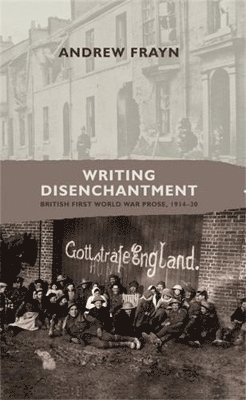
Writing Disenchantment
British First World War Prose, 1914–30
Av Andrew Frayn
Inbunden, 2014
1291 kr
Lägg i varukorg
It has become axiomatic that First World War literature was disenchanted, or disillusioned, and returning combatants were unable to process or communicate that experience. In Writing disenchantment, Andrew Frayn argues that this was not just about the war: non-combatants were just as disenchanted …
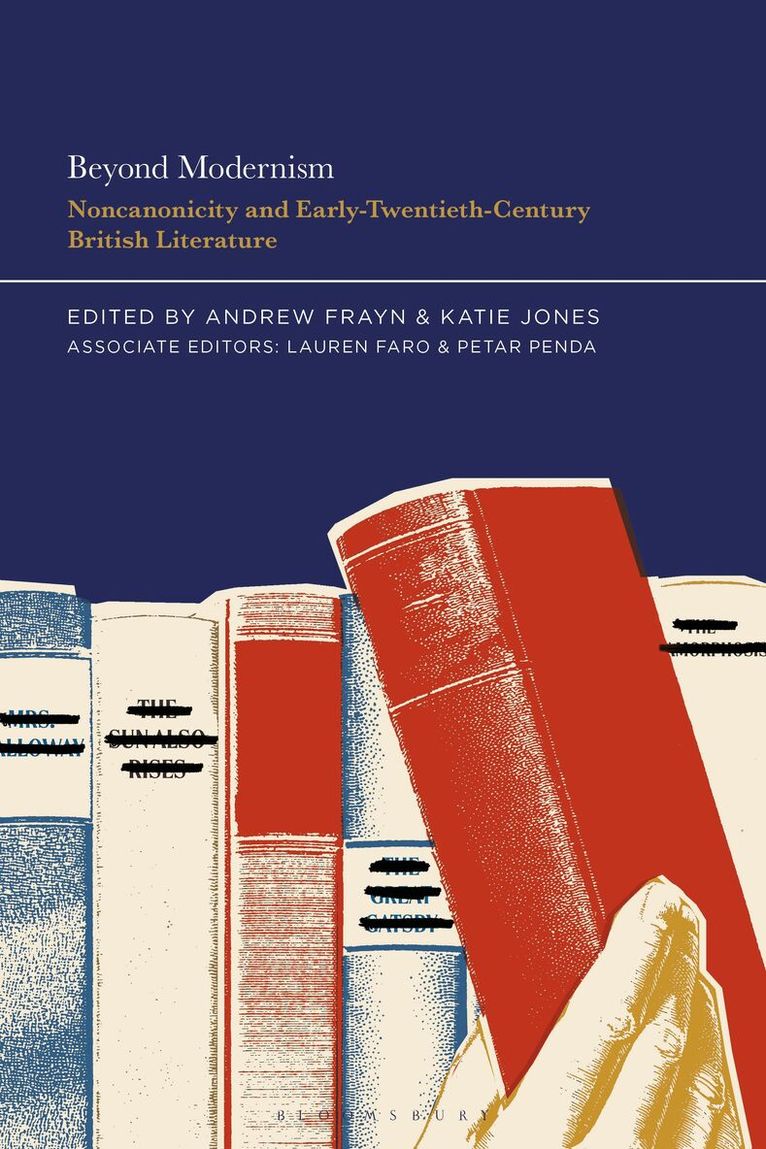
Beyond Modernism
Noncanonicity and Early-Twentieth-Century British Literature
Inbunden, 2026
1385 kr
Lägg i varukorg
Underlining (and undermining) the notion of literary merit, this book focuses on noncanonical works and asks: what happens when we look away from modernism?Seeking an alternative history of British literature from 1890 to 1945, this book reflects on the processes by which canonicity happens by …
Beyond Modernism
Noncanonicity and Early-Twentieth-Century British Literature
E-bok, 2026
1524 kr
Lägg i varukorg
Underlining (and undermining) the notion of literary merit, this book focuses on noncanonical works and asks: what happens when we look away from modernism? Seeking an alternative history of British literature from 1890 to 1945, this book reflects on the processes by which canonicity happens by …
Beyond Modernism
Noncanonicity and Early-Twentieth-Century British Literature
E-bok, 2026
1524 kr
Lägg i varukorg
Underlining (and undermining) the notion of literary merit, this book focuses on noncanonical works and asks: what happens when we look away from modernism? Seeking an alternative history of British literature from 1890 to 1945, this book reflects on the processes by which canonicity happens by …