Andrew L. Thomas – författare
Visar alla böcker från författaren Andrew L. Thomas. Handla med fri frakt och snabb leverans.
3 produkter
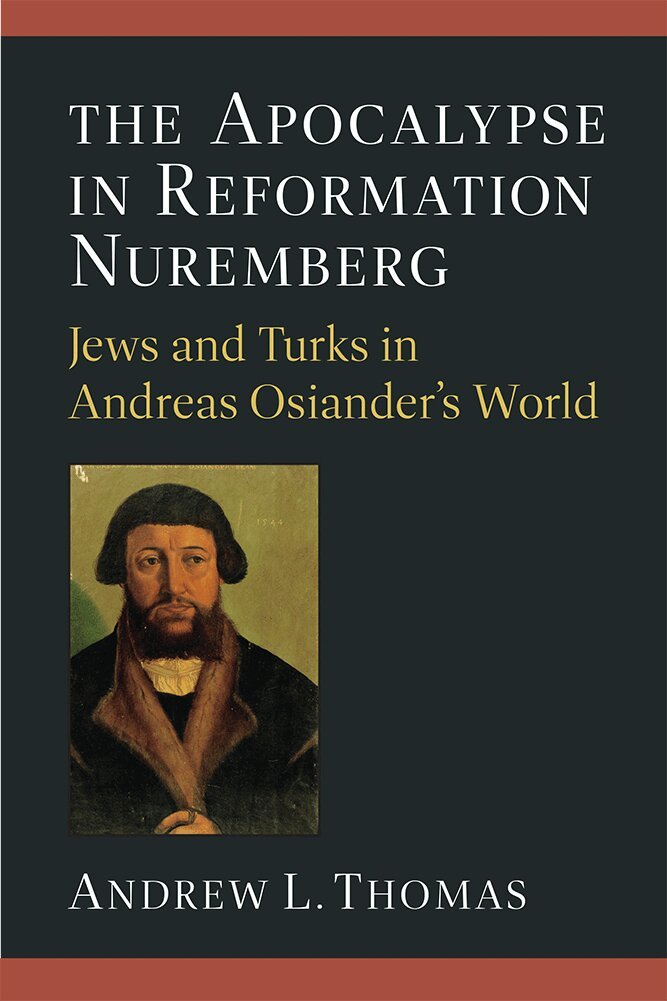
Apocalypse in Reformation Nuremberg
Jews and Turks in Andreas Osiander's World
Inbunden, 2022
1229 kr
Lägg i varukorg
Lutheran preacher and theologian Andreas Osiander (1498–1552) played a critical role in spreading the Lutheran Reformation in sixteenth-century Nuremberg. Besides being the most influential ecclesiastical leader in a prominent German city, Osiander was also a well-known scholar of Hebrew. He …
Apocalypse in Reformation Nuremberg
Jews and Turks in Andreas Osiander’s World
E-bok, 2022
1365 kr
Lägg i varukorg
Lutheran preacher and theologian Andreas Osiander (1498–1552) played a critical role in spreading the Lutheran Reformation in sixteenth-century Nuremberg. Besides being the most influential ecclesiastical leader in a prominent German city, Osiander was also a well-known scholar of Hebrew. He …
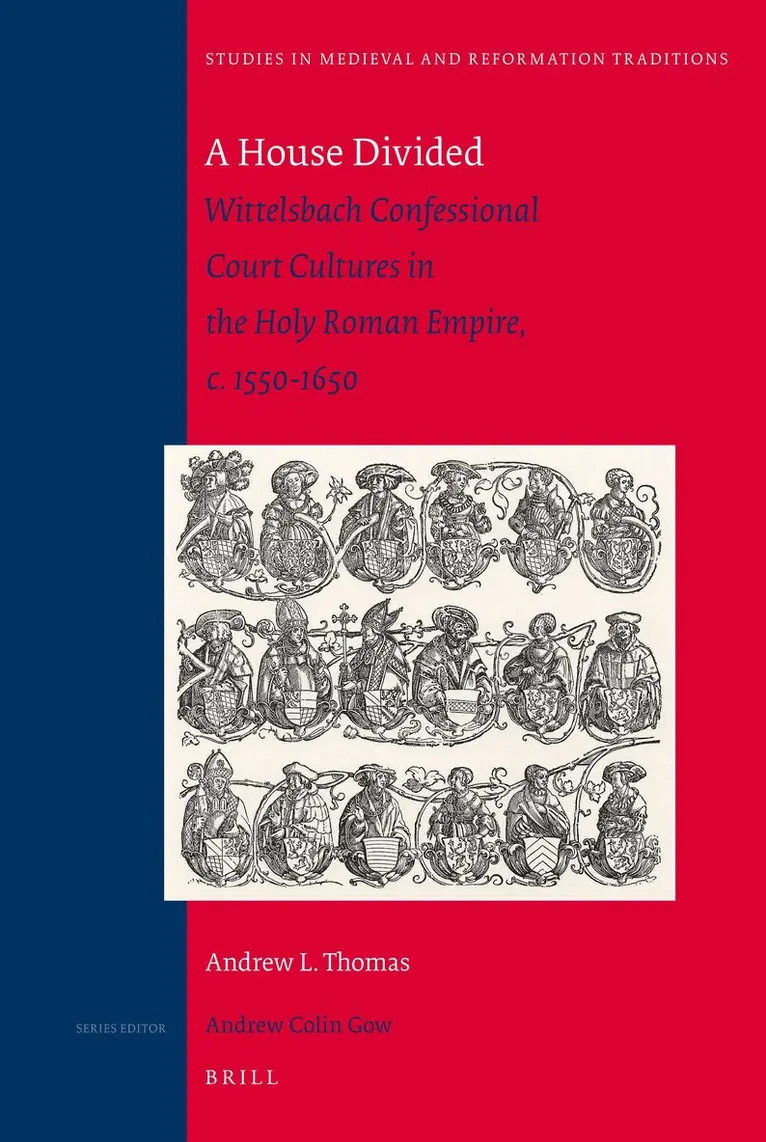
House Divided: Wittelsbach Confessional Court Cultures in the Holy Roman Empire, c. 1550-1650
Inbunden, 2010
2325 kr
Lägg i varukorg
This book is the only book-length monograph comparing the impact of confessional identity on both halves of the Wittelsbach dynasty which provided Bavarian dukes and German emperors as well as its implications for late Renaissance court culture. It demonstrates that religious conflict led to the …