Andrew Pinsent – författare
Visar alla böcker från författaren Andrew Pinsent. Handla med fri frakt och snabb leverans.
9 produkter
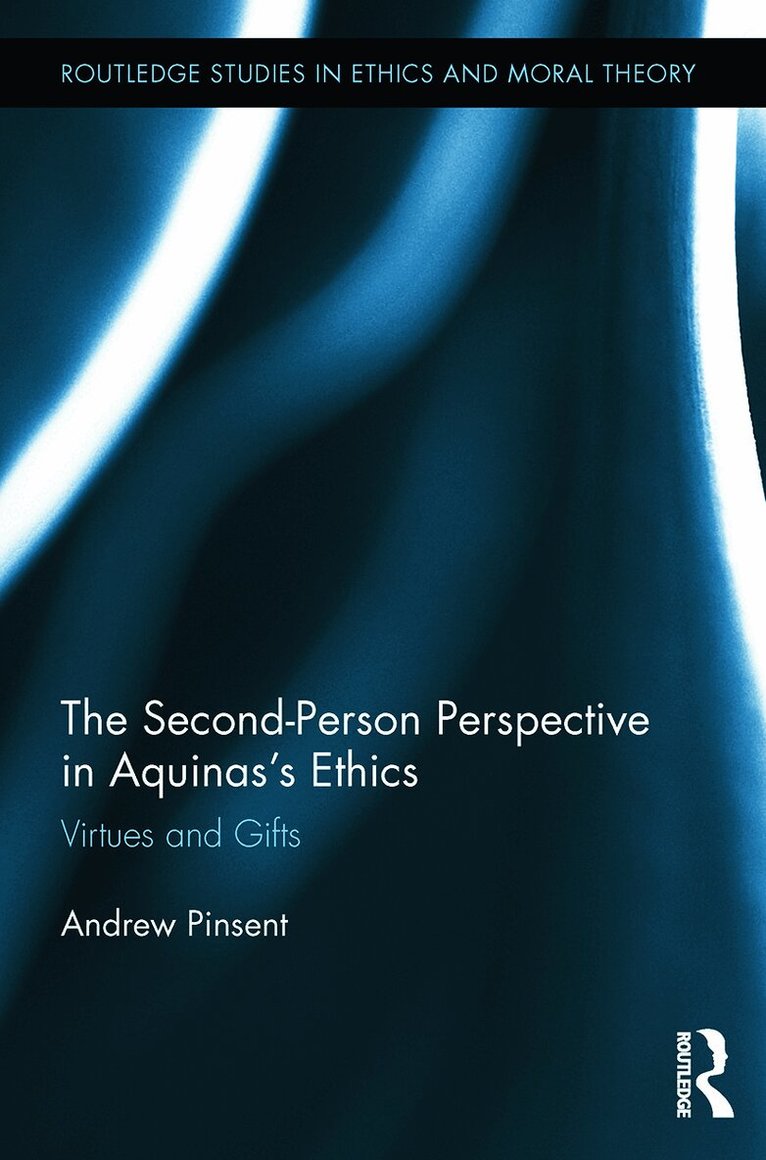
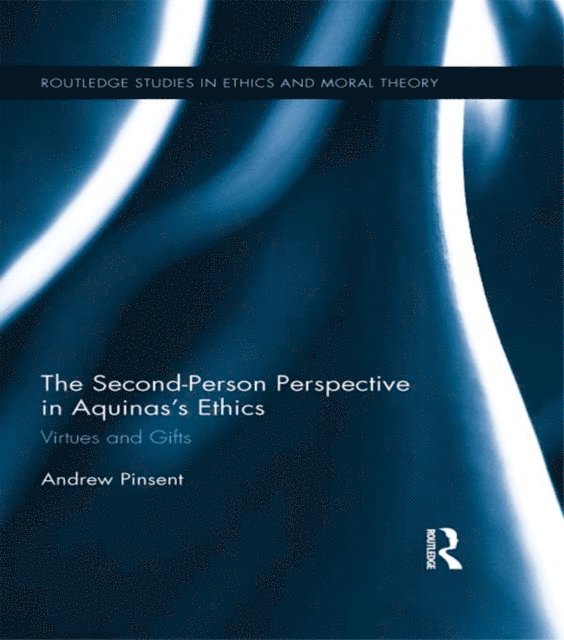
Second-Person Perspective in Aquinas’s Ethics
Virtues and Gifts
Häftad, 2013
907 kr
Lägg i varukorg
Thomas Aquinas devoted a substantial proportion of his greatest works to the virtues. Yet, despite the availability of these texts (and centuries of commentary), Aquinas’s virtue ethics remains mysterious, leaving readers with many unanswered questions. In this book, Pinsent argues that the key to …
Second-Person Perspective in Aquinas’s Ethics
Virtues and Gifts
Inbunden, 2011
2736 kr
Lägg i varukorg
Thomas Aquinas devoted a substantial proportion of his greatest works to the virtues. Yet, despite the availability of these texts (and centuries of commentary), Aquinas’s virtue ethics remains mysterious, leaving readers with many unanswered questions. In this book, Pinsent argues that the key to …
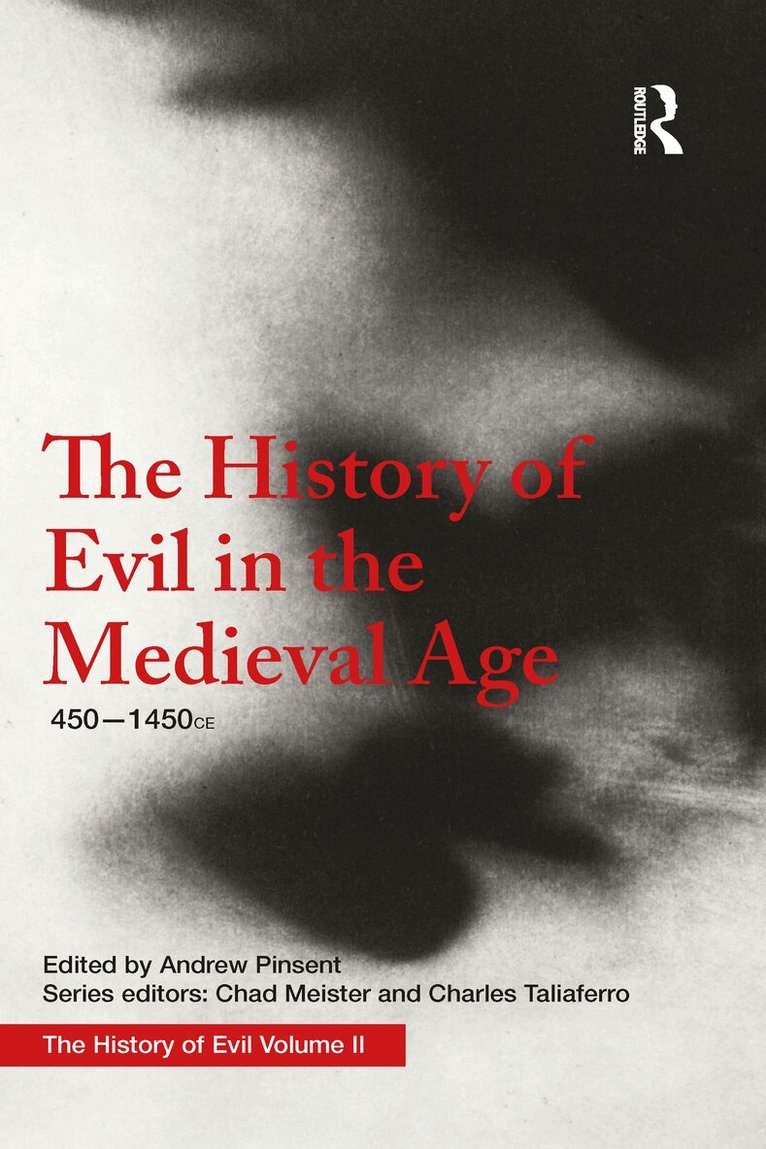
History of Evil in the Medieval Age
450-1450 CE
Häftad, 2021
706 kr
Lägg i varukorg
The second volume of The History of Evil explores the philosophy of evil in the long Middle Ages. Starting from the Augustinian theme of evil as a deprivation or perversion of what is good, this period saw the maturation of concepts of natural evil, of evil as sin involving the will, and of …
Second-Person Perspective in Aquinas's Ethics
Virtues and Gifts
E-bok, 2013
1051 kr
Lägg i varukorg
Thomas Aquinas devoted a substantial proportion of his greatest works to the virtues. Yet, despite the availability of these texts (and centuries of commentary), Aquinas’s virtue ethics remains mysterious, leaving readers with many unanswered questions. In this book, Pinsent argues that the key to …
Second-Person Perspective in Aquinas's Ethics
Virtues and Gifts
E-bok, 2013
1051 kr
Lägg i varukorg
Thomas Aquinas devoted a substantial proportion of his greatest works to the virtues. Yet, despite the availability of these texts (and centuries of commentary), Aquinas’s virtue ethics remains mysterious, leaving readers with many unanswered questions. In this book, Pinsent argues that the key to …
History of Evil in the Medieval Age
450-1450 CE
Inbunden, 2018
2504 kr
Lägg i varukorg
The second volume of The History of Evil explores the philosophy of evil in the long Middle Ages. Starting from the Augustinian theme of evil as a deprivation or perversion of what is good, this period saw the maturation of concepts of natural evil, of evil as sin involving the will, and of …
History of Evil in the Medieval Age
450-1450 CE
E-bok, 2018
813 kr
Lägg i varukorg
The second volume of The History of Evil explores the philosophy of evil in the long Middle Ages. Starting from the Augustinian theme of evil as a deprivation or perversion of what is good, this period saw the maturation of concepts of natural evil, of evil as sin involving the will, and of …
History of Evil in the Medieval Age
450-1450 CE
E-bok, 2018
805 kr
Lägg i varukorg
The second volume of The History of Evil explores the philosophy of evil in the long Middle Ages. Starting from the Augustinian theme of evil as a deprivation or perversion of what is good, this period saw the maturation of concepts of natural evil, of evil as sin involving the will, and of …