Andrew Reinhard - Böcker
Visar alla böcker från författaren Andrew Reinhard. Handla med fri frakt och snabb leverans.
7 produkter
7 produkter
3 386 kr
Skickas inom 10-15 vardagar
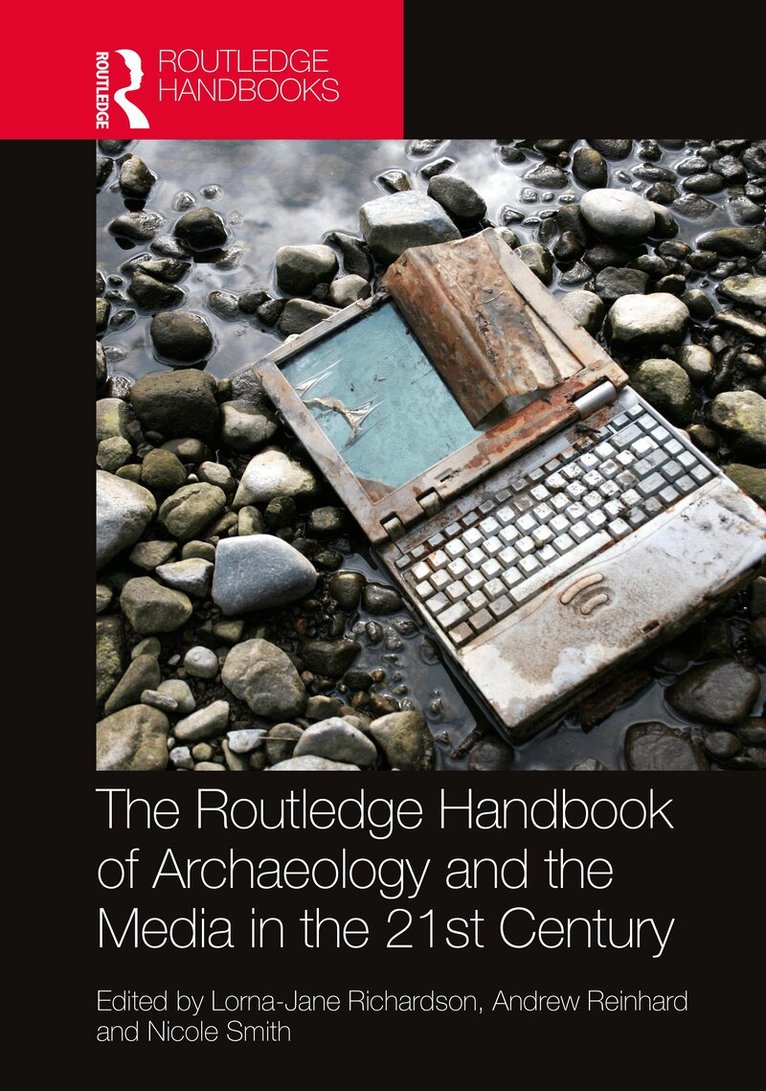
The Routledge Handbook of Archaeology and the Media in the 21st Century presents diverse international perspectives on what it means to be an archaeologist and to conduct archaeological research in the age of digital and mobile media.This volume analyses the present‑day use of new and old media by professional and academic archaeology for leisure, academic study and/or public engagement, and attempts to provide a broad survey of the use of media in a wider global archaeological context. It features work on traditional paper media, radio, podcasting, film, television, contemporary art, photography, video games, mobile technology, 3D image capture, digitization and social media. Themes explored include archaeology and traditional media, archaeology in a digital age, archaeology in a post‑truth era and the future of archaeology. Such comprehensive coverage has not been seen before, and the focus on 21st‑century concerns and media consumption practices provides an innovative and original approach.The Routledge Handbook of Archaeology and the Media in the 21st Century updates the interdisciplinary field of media studies in archaeology and will appeal to students and researchers in multiple fields including contemporary, public, digital, and media archaeology, and heritage studies and management. Television and film producers, writers and presenters of cultural heritage will also benefit from the many entanglements shared here between archaeology and the contemporary media landscape.
724 kr
Skickas inom 10-15 vardagar
The Routledge Handbook of Archaeology and the Media in the 21st Century presents diverse international perspectives on what it means to be an archaeologist and to conduct archaeological research in the age of digital and mobile media.This volume analyses the present‑day use of new and old media by professional and academic archaeology for leisure, academic study and/or public engagement, and attempts to provide a broad survey of the use of media in a wider global archaeological context. It features work on traditional paper media, radio, podcasting, film, television, contemporary art, photography, video games, mobile technology, 3D image capture, digitization and social media. Themes explored include archaeology and traditional media, archaeology in a digital age, archaeology in a post‑truth era and the future of archaeology. Such comprehensive coverage has not been seen before, and the focus on 21st‑century concerns and media consumption practices provides an innovative and original approach.The Routledge Handbook of Archaeology and the Media in the 21st Century updates the interdisciplinary field of media studies in archaeology and will appeal to students and researchers in multiple fields including contemporary, public, digital, and media archaeology, and heritage studies and management. Television and film producers, writers and presenters of cultural heritage will also benefit from the many entanglements shared here between archaeology and the contemporary media landscape.
2 014 kr
Skickas inom 3-6 vardagar
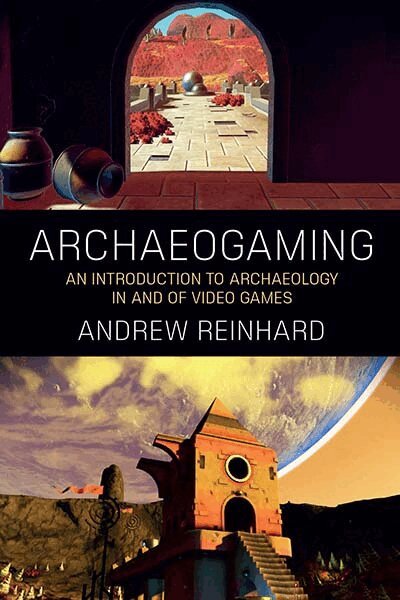
Video games exemplify contemporary material objects, resources, and spaces that people use to define their culture. Video games also serve as archaeological sites in the traditional sense as a place, in which evidence of past activity is preserved and has been, or may be, investigated using the discipline of archaeology, and which represents a part of the archaeological record. This book serves as a general introduction to "archaeogaming"; it describes the intersection of archaeology and video games and applies archaeological method and theory into understanding game-spaces as both site and artifact.
346 kr
Skickas inom 3-6 vardagar
A general introduction to archeogaming describing the intersection of archaeology and video games and applying archaeological method and theory into understanding game-spaces.“[T]he author’s clarity of style makes it accessible to all readers, with or without an archaeological background. Moreover, his personal anecdotes and gameplay experiences with different game titles, from which his ideas often develop, make it very enjoyable reading.”—AntiquityVideo games exemplify contemporary material objects, resources, and spaces that people use to define their culture. Video games also serve as archaeological sites in the traditional sense as a place, in which evidence of past activity is preserved and has been, or may be, investigated using the discipline of archaeology, and which represents a part of the archaeological record.From the introduction:Archaeogaming, broadly defined, is the archaeology both in and of digital games… As will be described in the following chapters, digital games are archaeological sites, landscapes, and artifacts, and the game-spaces held within those media can also be understood archaeologically as digital built environments containing their own material culture… Archaeogaming does not limit its study to those video games that are set in the past or that are treated as “historical games,” nor does it focus solely on the exploration and analysis of ruins or of other built environments that appear in the world of the game. Any video game—from Pac-Man to Super Meat Boy—can be studied archaeologically.
2 014 kr
Skickas inom 3-6 vardagar
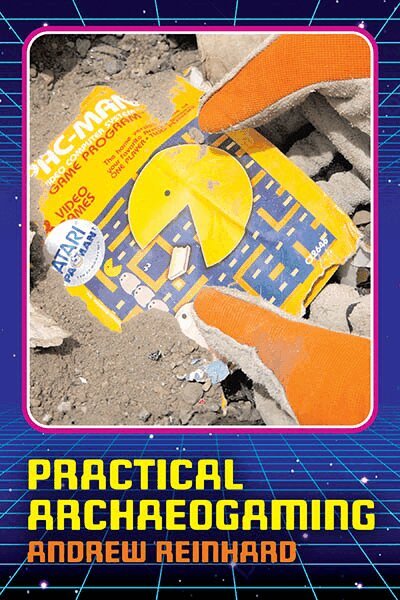
As a sequel to Archaeogaming: an Introduction to Archaeology in and of Video Games, the author focuses on the practical and applied side of the discipline, collecting recent digital fieldwork together in one place for the first time to share new methods in treating interactive digital built environments as sites for archaeological investigation. Fully executed examples of practical and applied archaeogaming include the necessity of a rapid archaeology of digital built environments, the creation of a Harris matrix for software stratigraphy, the ethnographic work behind a human civilization trapped in an unstable digital landscape, how to conduct photogrammetry and GIS mapping in procedurally generated space, and how to transform digital artifacts into printed three-dimensional objects. Additionally, the results of the 2014 Atari excavation in Alamogordo, New Mexico are summarized for the first time.
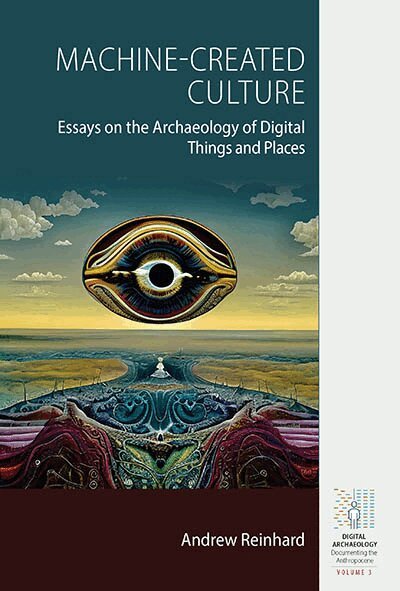
Machine-Created Culture
Essays on the Archaeology of Digital Things and Places
Inbunden, Engelska, 2024
1 799 kr
Skickas inom 3-6 vardagar
Archaeology can be weird and fun, especially the digital kind. Readers of archaeology, media studies, and game studies are introduced to the wild-and-wooly side of digital archaeology: artifacts, sites, and landscapes contained within—and supporting—interactive digital built environments. Follow your guide, the reluctant digital archaeologist Charlie, to disappear into the weeds of post-landscapes, non-place cultural spaces, persistent digital spaces, software citizenship, machine-created culture, digital drift, technofossils, quantum archaeology, archaeological time, singularities, complexity and retrocausality, noise, and more. These bite-sized chapters offer new ways of interpreting humanity’s blossoming digitalia, an archaeology done at the source of creation, use, and abandonment of our electronic selves.
277 kr
Skickas
Video games are an example of material objects, resources and spaces that people use to define their culture. They also serve as archaeological sites in their traditional sense of place. Places where evidence of past activity is preserved and archaeological methodology can be applied. This book serves as a general introduction to archaeogaming: it describes the intersection between archaeology and video games, and applies archaeological theory and method to understand video games as sites as well as artifacts. It is also history, sociology and ontology; and everything that is necessary to define a culture, that of videogames, that is no longer emerging, but has been completely established in the humanity of the Anthropocene and late capitalism. What makes its valuation and cataloging more necessary as digital heritage.