Andy Horowitz - Böcker
Visar alla böcker från författaren Andy Horowitz. Handla med fri frakt och snabb leverans.
4 produkter
4 produkter
153 kr
Skickas inom 7-10 vardagar
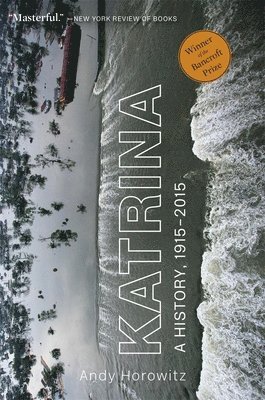
Winner of the Bancroft PrizeLouisiana Endowment for the Humanities Book of the YearA Publishers Weekly Book of the Year“The main thrust of Horowitz’s account is to make us understand Katrina—the civic calamity, not the storm itself—as a consequence of decades of bad decisions by humans, not an unanticipated caprice of nature.”—Nicholas Lemann, New YorkerHurricane Katrina made landfall in New Orleans on August 29, 2005, but the decisions that caused the disaster can be traced back nearly a century. After the city weathered a major hurricane in 1915, its Sewerage and Water Board believed that developers could safely build housing near the Mississippi, on lowlands that relied on significant government subsidies to stay dry. When the flawed levee system failed, these were the neighborhoods that were devastated.The flood line tells one important story about Katrina, but it is not the only story that matters. Andy Horowitz investigates the response to the flood, when policymakers made it easier for white New Orleanians to return home than for African Americans. He explores how the profits and liabilities created by Louisiana’s oil industry have been distributed unevenly, prompting dreams of abundance and a catastrophic land loss crisis that continues today.“Masterful…Disasters have the power to reveal who we are, what we value, what we’re willing—and unwilling—to protect.”—New York Review of Books“If you want to read only one book to better understand why people in positions of power in government and industry do so little to address climate change, even with wildfires burning and ice caps melting and extinctions becoming a daily occurrence, this is the one.”—Los Angeles Review of Books
367 kr
Skickas inom 10-15 vardagar
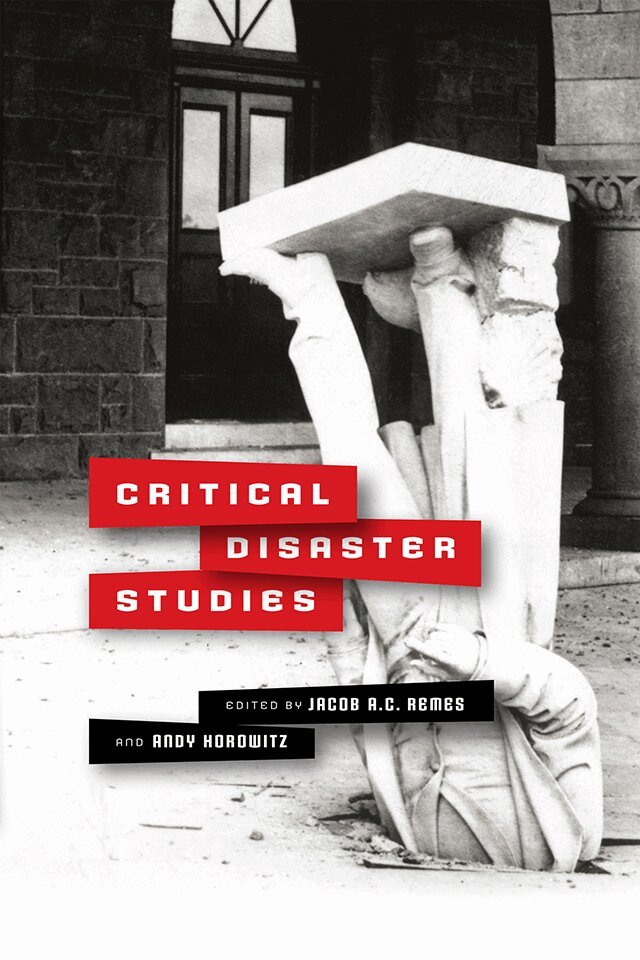
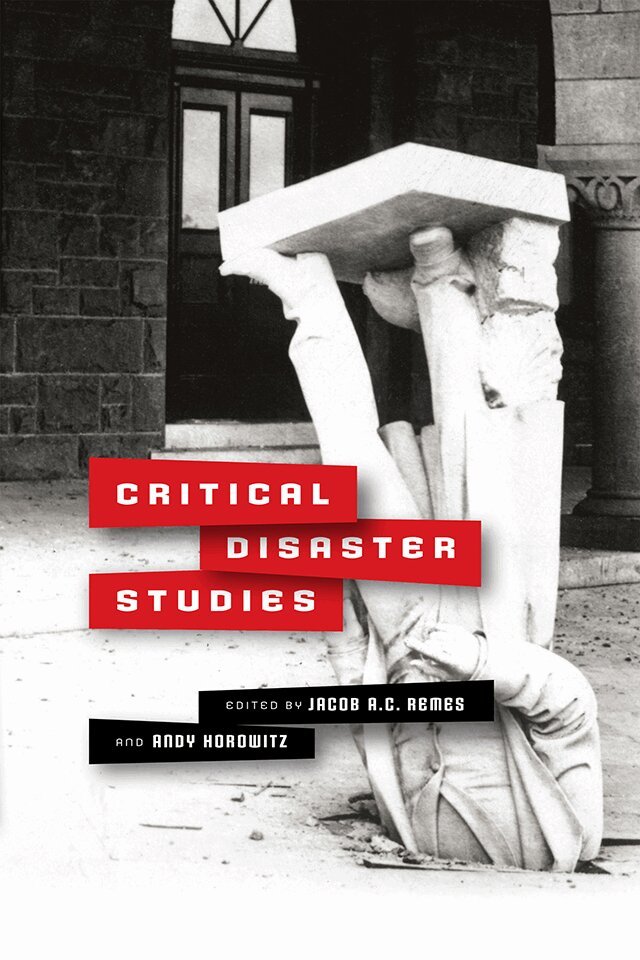
This book announces the new, interdisciplinary field of critical disaster studies. Unlike most existing approaches to disaster, critical disaster studies begins with the idea that disasters are not objective facts, but rather are interpretive fictions-and they shape the way people see the world. By questioning the concept of disaster itself, critical disaster studies reveals the stakes of defining people or places as vulnerable, resilient, or at risk.As social constructs, disaster, vulnerability, resilience, and risk shape and are shaped by contests over power. Managers and technocrats often herald the goals of disaster response and recovery as objective, quantifiable, or self-evident. In reality, the goals are subjective, and usually contested. Critical disaster studies attends to the ways powerful people often use claims of technocratic expertise to maintain power.Moreover, rather than existing as isolated events, disasters take place over time. People commonly imagine disasters to be unexpected and sudden, making structural conditions appear contingent, widespread conditions appear local, and chronic conditions appear acute. By placing disasters in broader contexts, critical disaster studies peels away that veneer.With chapters by scholars of five continents and seven disciplines, Critical Disaster Studies asks how disasters come to be known as disasters, how disasters are used as tools of governance and politics, and how people imagine and anticipate disasters. The volume will be of interest to scholars of disaster in any discipline and especially to those teaching the growing number of courses on disaster studies.
954 kr
Skickas inom 7-10 vardagar
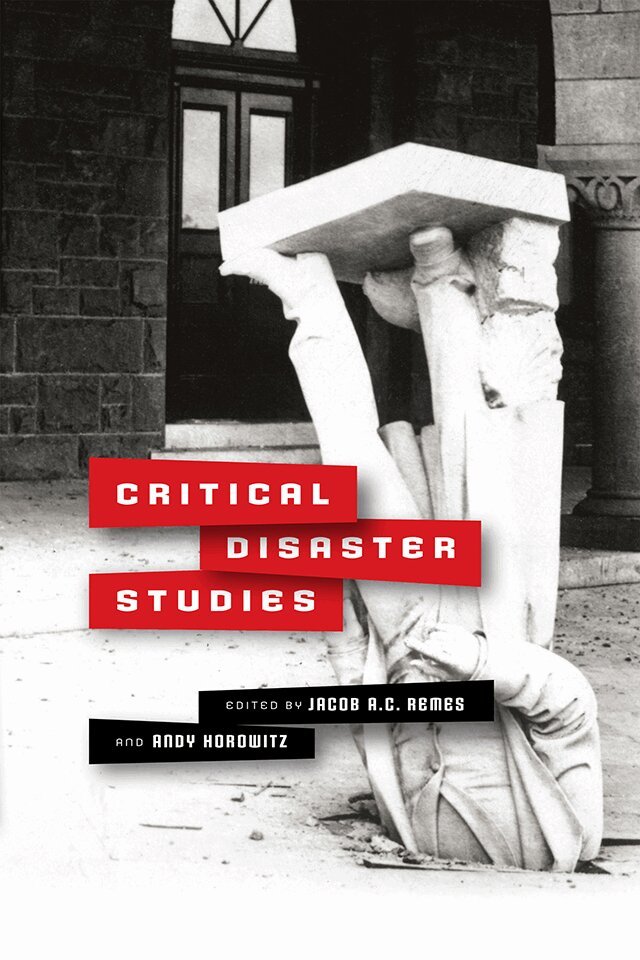
This book announces the new, interdisciplinary field of critical disaster studies. Unlike most existing approaches to disaster, critical disaster studies begins with the idea that disasters are not objective facts, but rather are interpretive fictions-and they shape the way people see the world. By questioning the concept of disaster itself, critical disaster studies reveals the stakes of defining people or places as vulnerable, resilient, or at risk.As social constructs, disaster, vulnerability, resilience, and risk shape and are shaped by contests over power. Managers and technocrats often herald the goals of disaster response and recovery as objective, quantifiable, or self-evident. In reality, the goals are subjective, and usually contested. Critical disaster studies attends to the ways powerful people often use claims of technocratic expertise to maintain power.Moreover, rather than existing as isolated events, disasters take place over time. People commonly imagine disasters to be unexpected and sudden, making structural conditions appear contingent, widespread conditions appear local, and chronic conditions appear acute. By placing disasters in broader contexts, critical disaster studies peels away that veneer.With chapters by scholars of five continents and seven disciplines, Critical Disaster Studies asks how disasters come to be known as disasters, how disasters are used as tools of governance and politics, and how people imagine and anticipate disasters. The volume will be of interest to scholars of disaster in any discipline and especially to those teaching the growing number of courses on disaster studies.
150 kr
Skickas inom 11-20 vardagar
Twenty years ago, Hurricane Katrina sent a storm surge into the Gulf of Mexico. When the levee system surrounding metropolitan New Orleans collapsed, hundreds of people died, tens of thousands of people lost their homes, and years of suffering and struggle followed. At the time, many people understood Katrina as an unprecedented disaster, or a catastrophe that could only occur on the underprivileged margins of American wealth and power. From today’s vantage, however, Katrina no longer looks like an exception. The two decades since the flood have brought more water, fire, and pandemic, surging racist violence, widening economic inequality, and seemingly irreconcilable political conflict. The past two decades have brought, too, emboldened community organizing, ambitious visions for addressing the climate crisis, and other creative efforts to build a more humane future. In all of these domains, Katrina does not appear to be retreating into the past so much as resounding in the future. It is increasingly clear that we live, today, in Katrina’s America.