Angel Adams Parham – författare
Visar alla böcker från författaren Angel Adams Parham. Handla med fri frakt och snabb leverans.
6 produkter
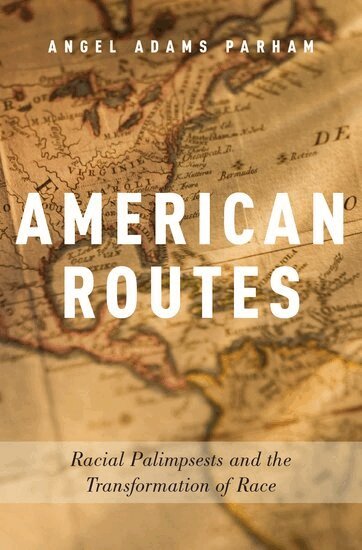
American Routes
Racial Palimpsests and the Transformation of Race
Inbunden, 2017
1733 kr
Lägg i varukorg
American Routes provides a comparative and historical analysis of the migration and integration of white and free black refugees from nineteenth century St. Domingue/Haiti to Louisiana and follows the progress of their descendants over the course of two hundred years. The refugees reinforced …
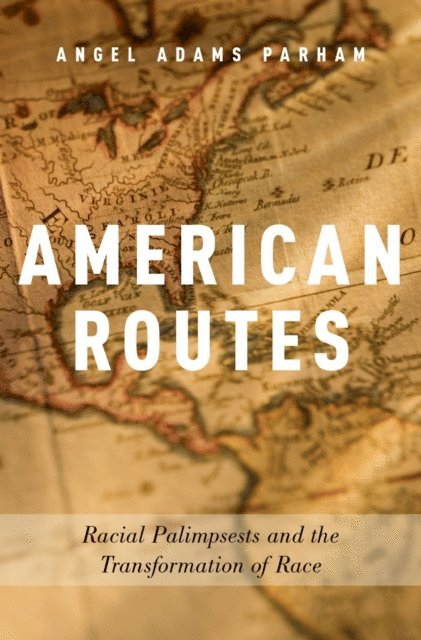
American Routes
Racial Palimpsests and the Transformation of Race
E-bok, 2017
1227 kr
Lägg i varukorg
American Routes provides a comparative and historical analysis of the migration and integration of white and free black refugees from nineteenth century St. Domingue/Haiti to Louisiana and follows the progress of their descendants over the course of two hundred years. The refugees reinforced …
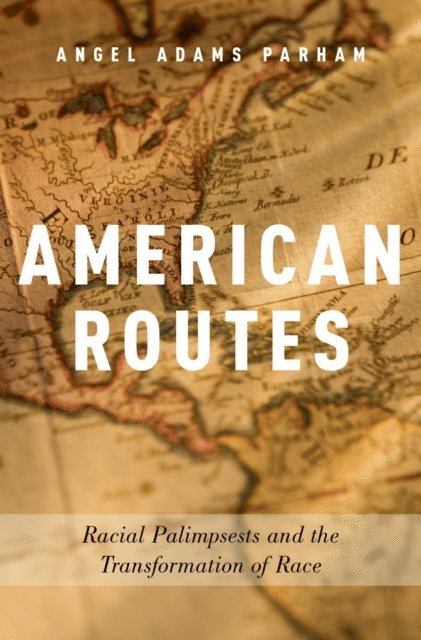
American Routes
Racial Palimpsests and the Transformation of Race
E-bok, 2017
1227 kr
Lägg i varukorg
American Routes provides a comparative and historical analysis of the migration and integration of white and free black refugees from nineteenth century St. Domingue/Haiti to Louisiana and follows the progress of their descendants over the course of two hundred years. The refugees reinforced …
Reparative Histories
Local Democracy and the Power of Place in the American Landscape
Av Louis P. Nelson, Angel Adams Parham m. fl.
Inbunden, 2027
1452 kr
Kommande
How historic sites can foster community dialogue about who we have been, who we are now, and who we wish to beIn a moment shaped by alarming levels of national polarization and disembodied lives spent increasingly online, this book argues that historic sites—courthouses, churches, walking trails, …
Reparative Histories
Local Democracy and the Power of Place in the American Landscape
Av Louis P. Nelson, Angel Adams Parham m. fl.
Häftad, 2027
416 kr
Kommande
How historic sites can foster community dialogue about who we have been, who we are now, and who we wish to beIn a moment shaped by alarming levels of national polarization and disembodied lives spent increasingly online, this book argues that historic sites—courthouses, churches, walking trails, …
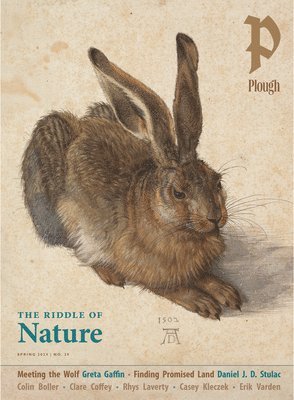
Plough Quarterly No. 39 – The Riddle of Nature
UK Edition
Av William Thomas Okie, Angel Adams Parham m. fl.
Häftad, 2024
123 kr
Lägg i varukorg
What is our place in nature?Since the Industrial Revolution, humans have has exercised unprecedented dominance over nature, with consequences that are now catching up with us. Many have pointed to Christianity as a culprit. Yet Christianity actually teaches that our relationship to nature should …