Angela D. Sims – författare
Visar alla böcker från författaren Angela D. Sims. Handla med fri frakt och snabb leverans.
4 produkter
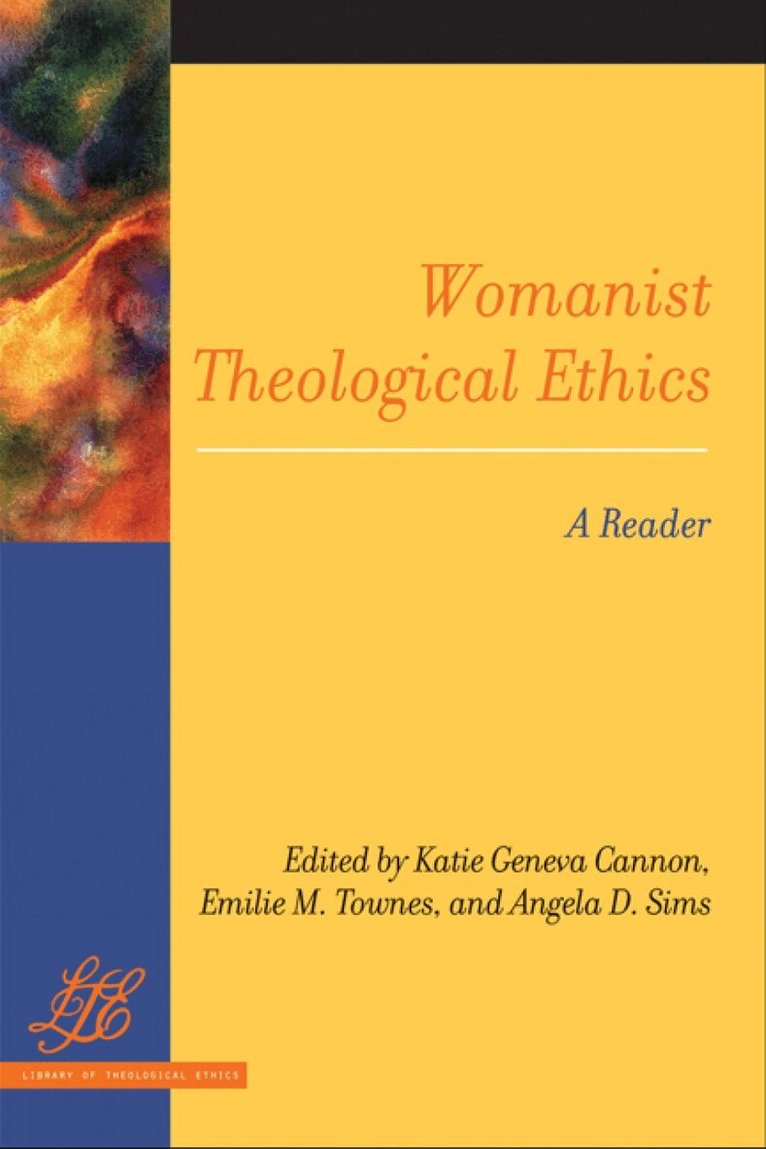
Womanist Theological Ethics
A Reader
Av Katie Geneva Cannon, Emilie M. Townes m. fl.
Häftad, 2011
481 kr
Lägg i varukorg
Writing across theological disciplines, nine African American women scholars reflect on what it means to live as responsible doers of justice. With some classic essays and some contributions published here for the first time, each chapter in this new volume in the Library of Theological Ethics …
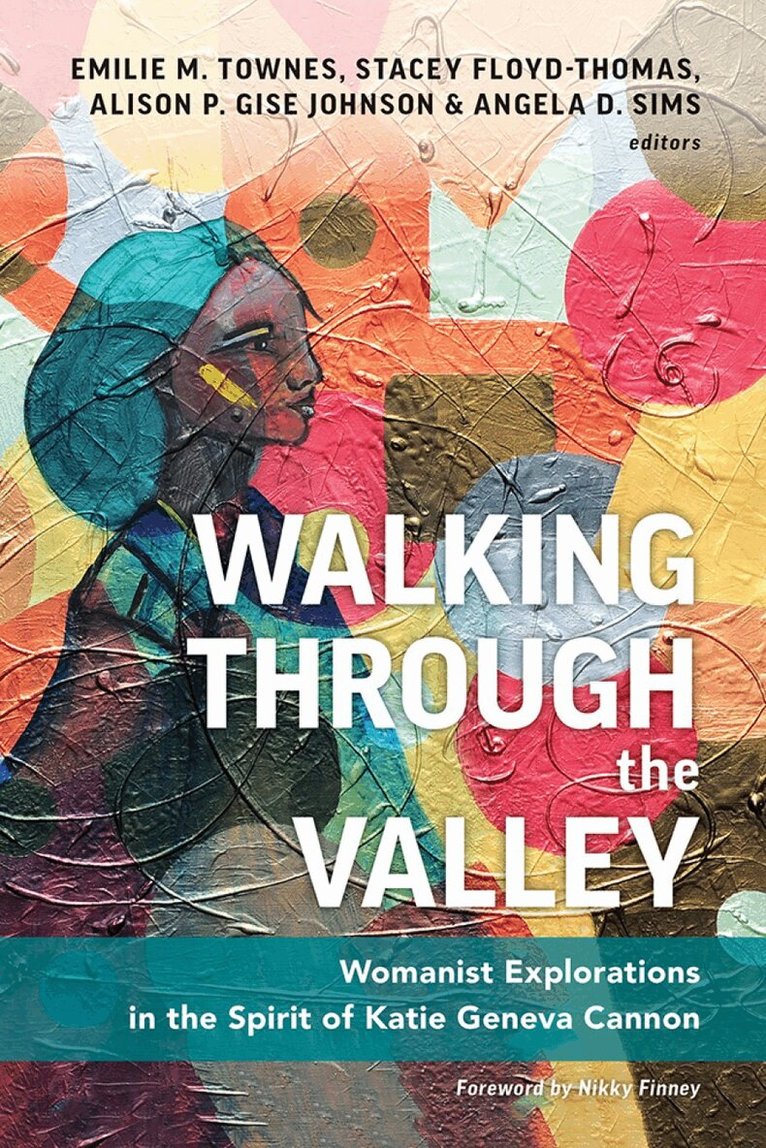
Walking through the Valley
Womanist Explorations in the Spirit of Katie Geneva Cannon
Av Stacey Floyd-Thomas, Emilie M. Townes m. fl.
Häftad, 2022
311 kr
Lägg i varukorg
The late Katie Geneva Cannon was the founder of womanist ethics. Her work continues to generate new explorations of womanist moral thought. In this volume, leading womanist ethicists and theologians come together to continue Cannon’s work in four critical areas: justice, leadership, embodied …
Lynched
The Power of Memory in a Culture of Terror
Häftad, 2017
449 kr
Lägg i varukorg
Lynched chronicles the history and aftermath of lynching in America. By rooting her work in oral histories, Angela D. Sims gives voice to the memories of African American elders who remember lynching not only as individual acts but as a culture of violence, domination, and fear. Lynched preserves …
Walking through the Valley
Womanist Explorations in the Spirit of Katie Geneva Cannon
Av Angela D. Sims, Alison P. Gise-Johnson m. fl.
E-bok, 2022
308 kr
Lägg i varukorg
The late Katie Geneva Cannon was the founder of womanist ethics. Her work continues to generate new explorations of womanist moral thought. In this volume, leading womanist ethicists and theologians come together to continue Cannon’s work in four critical areas: justice, leadership, embodied …