Anil Gomes – författare
Visar alla böcker från författaren Anil Gomes. Handla med fri frakt och snabb leverans.
7 produkter
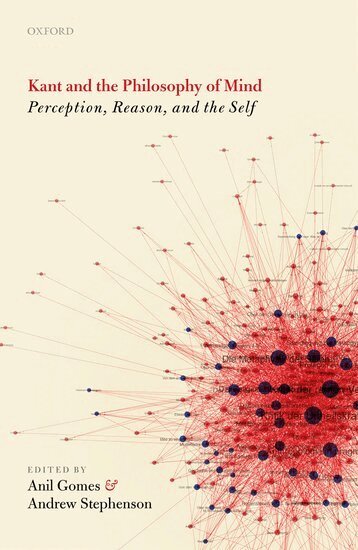
Kant and the Philosophy of Mind
Perception, Reason, and the Self
Av Andrew Stephenson, Anil Gomes
E-bok, 2017
1100 kr
Lägg i varukorg
The essays in this volume explore those aspects of Kant''s writings which concern issues in the philosophy of mind. These issues are central to any understanding of Kant''s critical philosophy and they bear upon contemporary discussions in the philosophy of mind. Fourteen specially written essays …
Kant and the Philosophy of Mind
Perception, Reason, and the Self
Av Andrew Stephenson, Anil Gomes
E-bok, 2017
1100 kr
Lägg i varukorg
The essays in this volume explore those aspects of Kant''s writings which concern issues in the philosophy of mind. These issues are central to any understanding of Kant''s critical philosophy and they bear upon contemporary discussions in the philosophy of mind. Fourteen specially written essays …
Practical Self
Av Anil Gomes
E-bok, 2024
953 kr
Lägg i varukorg
We are self-conscious creatures thrown into a world which is not of our making. What is the connection between being self-conscious and being related to an objective world? Descartes and Kant, in different ways and with different emphases, argued that self-conscious subjects such as us must be …
Practical Self
Av Anil Gomes
E-bok, 2024
710 kr
Lägg i varukorg
We are self-conscious creatures thrown into a world which is not of our making. What is the connection between being self-conscious and being related to an objective world? Descartes and Kant, in different ways and with different emphases, argued that self-conscious subjects such as us must be …
Kant and the Philosophy of Mind
Perception, Reason, and the Self
Av Anil Gomes, Andrew Stephenson
Inbunden, 2017
1233 kr
Lägg i varukorg
The essays in this volume explore those aspects of Kant's writings which concern issues in the philosophy of mind. These issues are central to any understanding of Kant's critical philosophy and they bear upon contemporary discussions in the philosophy of mind. Fourteen specially written essays …
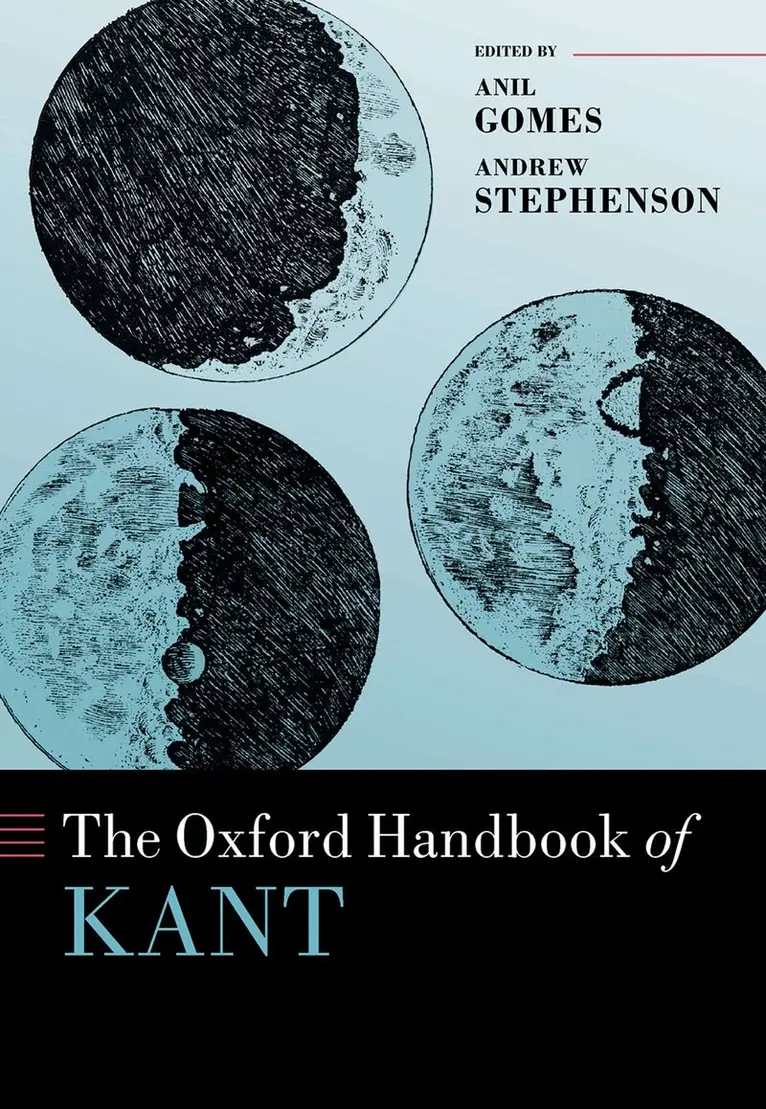
The Oxford Handbook of Kant
Av Anil Gomes, Andrew Stephenson
Inbunden, 2024
2777 kr
Lägg i varukorg
Immanuel Kant (1724-1804) is a towering figure of modern Western philosophy, someone whose thought continues to exert an influence across all areas of the discipline. His work is characterized by both breadth and unity: he writes powerfully about mind, epistemology, metaphysics, logic, mathematics, …
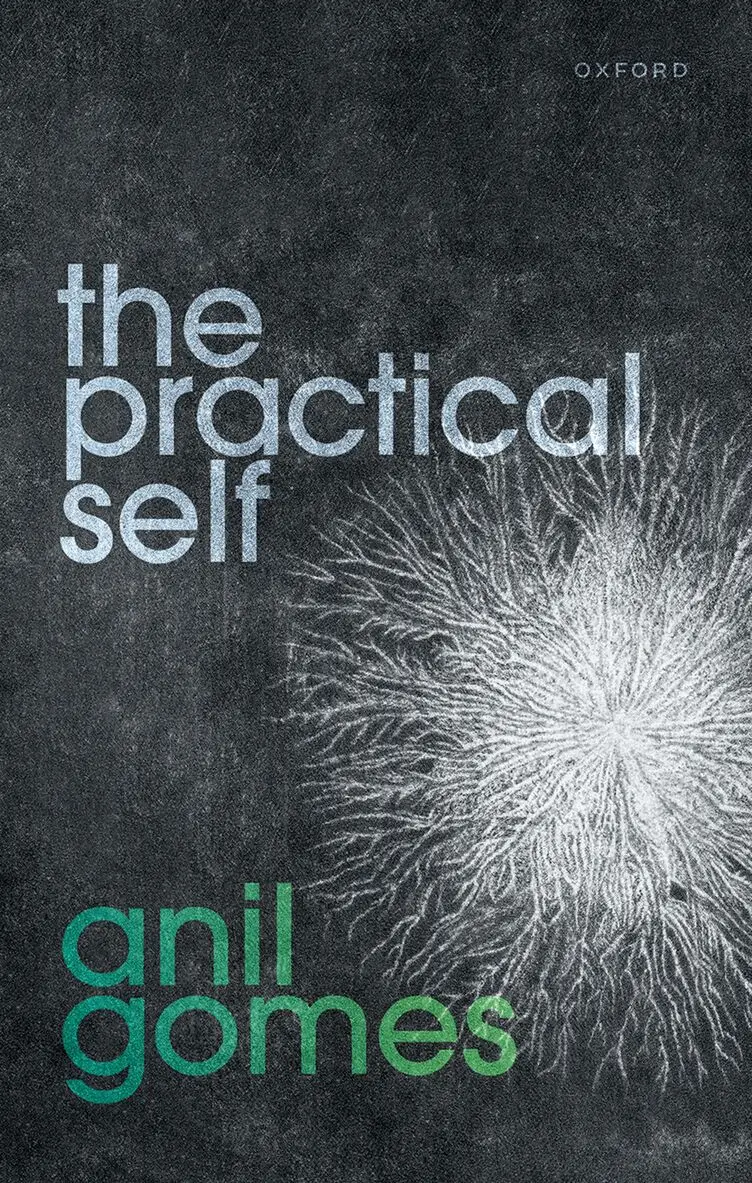
The Practical Self
Av Anil Gomes
Inbunden, 2024
1119 kr
Lägg i varukorg
We are self-conscious creatures thrown into a world which is not of our making. What is the connection between being self-conscious and being related to an objective world? Descartes and Kant, in different ways and with different emphases, argued that self-conscious subjects such as us must be …