Ann Komaromi - Böcker
Visar alla böcker från författaren Ann Komaromi. Handla med fri frakt och snabb leverans.
5 produkter
5 produkter
480 kr
Skickas inom 7-10 vardagar
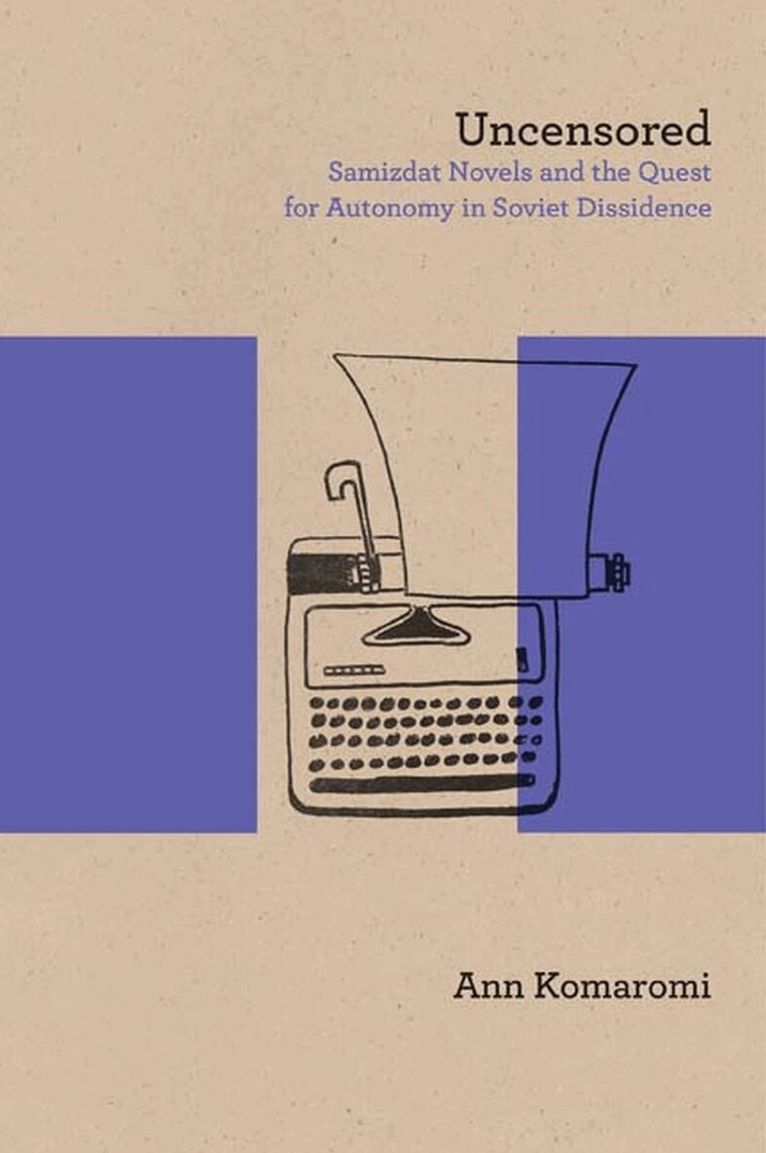
Vasilii Aksenov, Andrei Bitov, and Venedikt Erofeev were among the most acclaimed authors of samizdat, the literature that was self-published in the former Soviet Union in order to evade censorship and prosecution. In Uncensored, Ann Komaromi uses their work to argue for a far more sophisticated understanding of the phenomenon of samizdat, showing how the material circumstances of its creation and dissemination exercised a profound influence on the very idea of dissidence, reconfiguring the relationship between author and reader. Using archival research to fully illustrate samizdat’s social and historical context, Komaromi arrives at a more nuanced theoretical position that breaks down the opposition between the autonomous work of art and direct political engagement. The similarities between samizdat and digital culture have particular relevance for contemporary discourses of dissident subjectivity.
759 kr
Skickas inom 10-15 vardagar
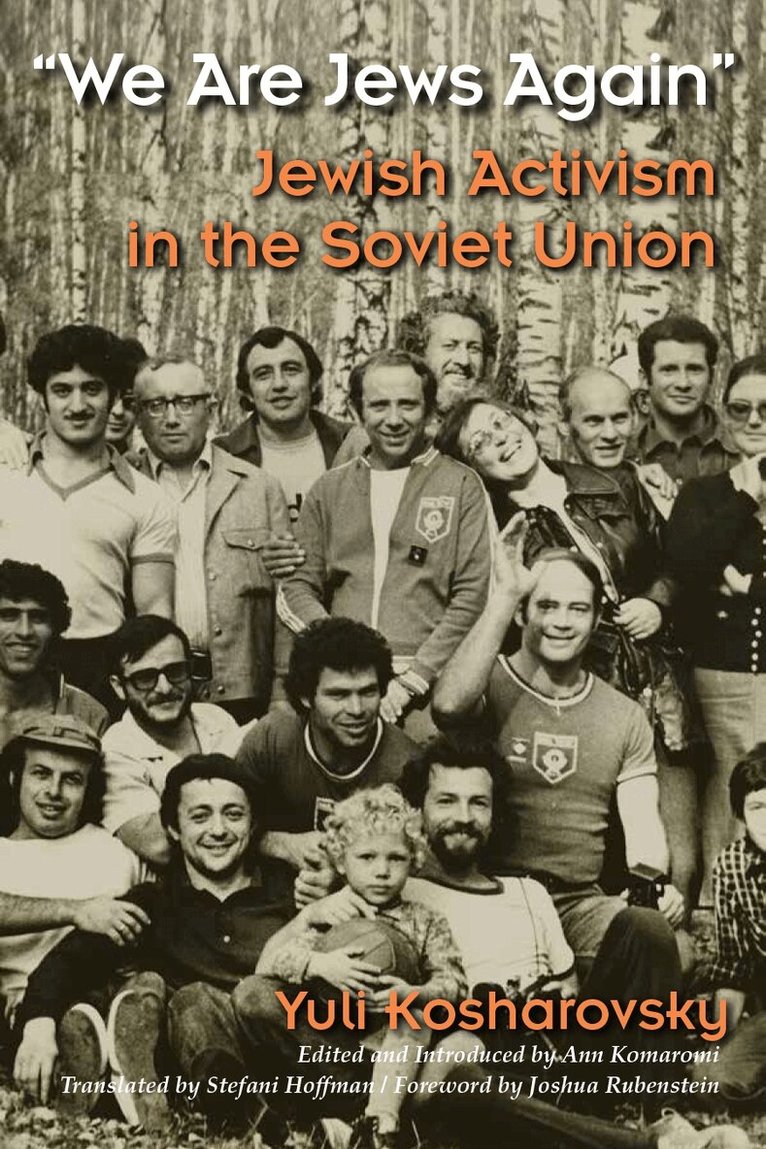
Kosharovsky’s authoritative four-volume history of the Jewish movement in the Soviet Union is now available in a condensed and edited volume that makes this compelling insider’s account of Soviet Jewish activism after Stalin available to a wider audience. Originally published in Russian from 2008 to 2012, ""We Are Jews Again"" chronicles the struggles of Jews who wanted nothing more than the freedom to learn Hebrew, the ability to provide a Jewish education for their children, and the right to immigrate to Israel. Through dozens of interviews with former refuseniks and famous activists, Kosharovsky provides a vivid and intimate view of the Jewish movement and a detailed account of the persecution many faced from Soviet authorities.
630 kr
Skickas inom 7-10 vardagar
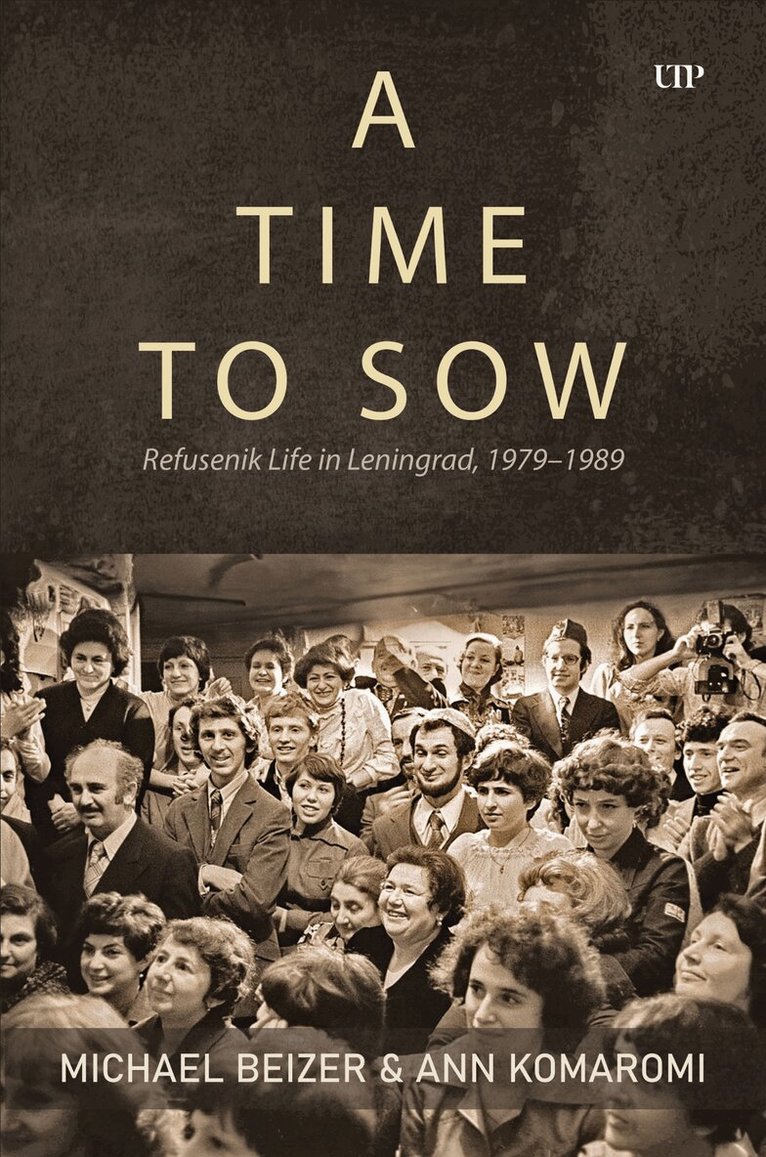
A Time to Sow offers a glimpse into the unofficial Jewish life in 1980s Leningrad, shaped by numerous long-term refusals from authorities to grant exit visas to Jews seeking to migrate to Israel. The book reveals how the lives of the "refuseniks" were marked by a continuous struggle for the right to emigrate, as well as by the formation of an informal community. It traces how the community provided mutual assistance in times of distress, particularly offering support to imprisoned activists and their families. The community also maintained contacts with co-religionist supporters visiting from abroad, engaged in Hebrew teaching, facilitated religious revival, celebrated Jewish holidays as a group, disseminated samizdat publications, conducted popular lectures on Jewish history and culture, and pursued Jewish studies. The book divulges how all these activities took place in private, despite the ban and persecution by the authorities.Drawing from analyses of historical sources, rare archival materials, as well as personal experiences including interviews with activists, the book provides a rich and nuanced understanding of this unique period. Ultimately, A Time to Sow presents a critical, non-apologetic perspective to uncover a distinctive, little-known chapter of Russian Jewish history in Leningrad, one of Russia’s most important cities.
787 kr
Kommande
Form and Transformation in Soviet Underground Writing examines the rich literary and cultural innovation that thrived under Soviet censorship in the post-Stalin era. Moving beyond the idea of the underground as merely oppositional, this volume presents it as a vibrant field of artistic experimentation and social imagination. Through close readings of writers such as Leonid Aronzon, Vsevolod Nekrasov, Olga Sedakova, and Elena Shvarts – alongside studies of Vasilisk Gnedov’s late poetry, the international circulation of Evgenia Ginzburg’s memoirs, and conversations about publishing Soviet underground writing in the post-Soviet era – the collection explores how underground works moved within samizdat (self-publishing in the USSR) and out to tamizdat (publishing abroad). As these texts crossed media, borders, and decades, they gained new meanings and reshaped ideas of authorship and community. Bringing together literary, historical, and sociological perspectives, the book centres the intermediaries – editors, readers, and translators – who sustained creative autonomy under censorship and fostered communication beyond state control. By linking Soviet-era artistic innovation to today’s contexts of digital culture and renewed authoritarianism, the book reveals how the underground’s independence and inventive energy continue to inspire new forms of creativity, resistance, and cultural resilience.
703 kr
Skickas inom 10-15 vardagar
Soviet Samizdat traces the emergence and development of samizdat, one of the most significant and distinctive phenomena of the late Soviet era, as an uncensored system for making and sharing texts. Based on extensive research of the underground journals, bulletins, art folios and other periodicals produced in the Soviet Union from the mid-1950s to the mid-1980s, Ann Komaromi analyzes the role of samizdat in fostering new forms of imagined community among Soviet citizens. Dissidence has been dismissed as an elite phenomenon or as insignificant because it had little demonstrable impact on the Soviet regime. Komaromi challenges these views and demonstrates that the kind of imagination about self and community made possible by samizdat could be a powerful social force. She explains why participants in samizdat culture so often sought to divide "political" from "cultural" samizdat. Her study provides a controversial umbrella definition for all forms of samizdat in terms of truth-telling, arguing that the act is experienced as transformative by Soviet authors and readers. This argument will challenge scholars in the field to respond to contentions that go against the grain of both anthropological and postmodern accounts. Komaromi's combination of literary analysis, historical research, and sociological theory makes sense of the phenomenon of samizdat for readers today. Soviet Samizdat shows that samizdat was not simply a tool of opposition to a defunct regime. Instead, samizdat fostered informal communities of knowledge that foreshadowed a similar phenomenon of alternative perspectives challenging the authority of institutions around the world today.