Catherine Ciepiela - Böcker
Visar alla böcker från författaren Catherine Ciepiela. Handla med fri frakt och snabb leverans.
3 produkter
3 produkter
1 956 kr
Kommande
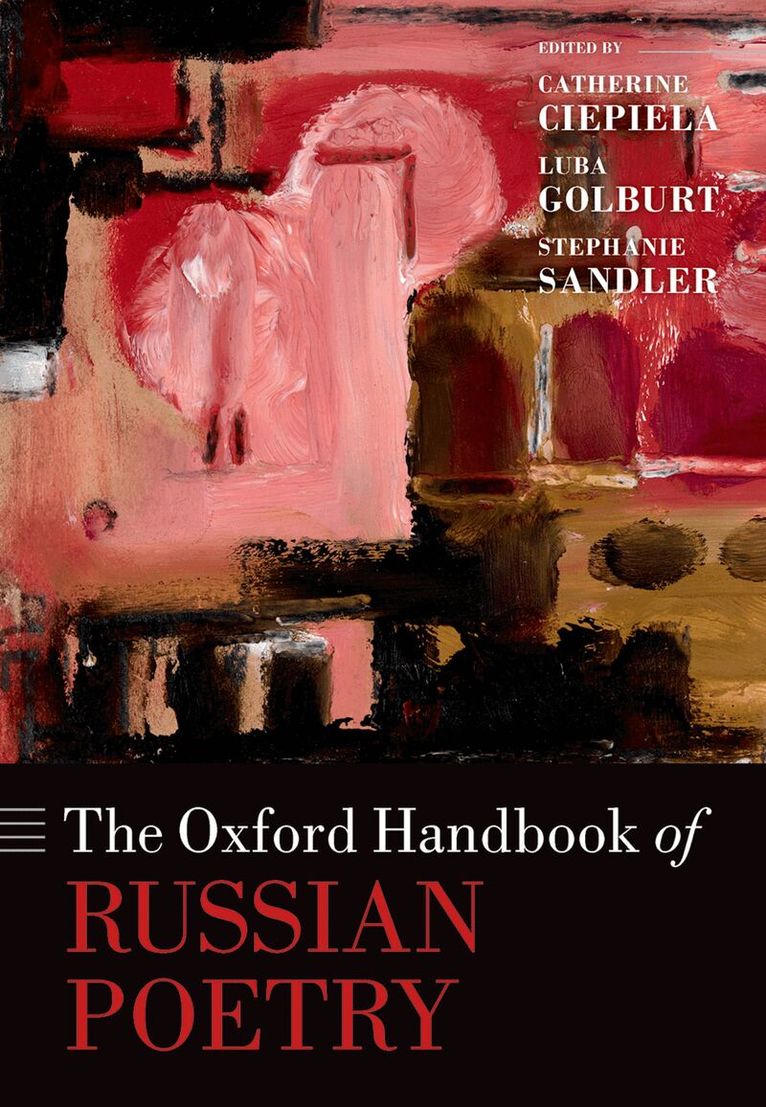
The Oxford Handbook of Russian Poetry brings together forty original chapters by scholars, critics, and poets from across North America, Russia, and Europe, offering a wide-ranging account of the Russian poetic tradition from the early modern period to the present. Responding to evolving critical priorities and the expanded sense of Russian poetic practice in recent decades, the Handbook aims not to settle the canon but rather to model a range of approaches to poetic history. Chapters are attentive to rupture, reinvention, and literature's changing social and institutional conditions. In particular, the volume engages with an increasingly complex understanding of Russian twentieth-century literature-one that treats, separately and together, censored, uncensored, and émigré writing, and that engages with multilingualism and rapidly shifting cultural boundaries. Collectively, the contributions consider texts both well-known and newly recovered, metropolitan and diasporic, official and underground. They reflect diverse methodologies, from close reading and historical poetics to network theory and performance studies. The volume is organized around seven conceptual rubrics-Timelines, Maps, Networks, Forms, Intersections, Performances, and Rereadings-which take up thematic and historiographical questions at varied scales. While designed to serve both as a reference and a pedagogical resource, the Handbook also considers urgent contemporary questions raised by war, censorship, and relocation, recognizing that the historical frameworks through which Russian poetry has been studied are themselves in flux. It is intended for a broad anglophone readership-from students and general readers to scholars of Russian literature and comparative poetics, and all quotations from Russian poetry are in the original and in English translation.
631 kr
Skickas inom 10-15 vardagar
"Still, we have the same solitude, the same journeys and searching, and the same favorite turns in the labyrinth of literature and history."—Boris Pasternak to Marina TsvetaevaOne of the most compelling episodes of twentieth-century Russian literature involves the epistolary romance that blossomed between the modernist poets Marina Tsvetaeva and Boris Pasternak in the 1920s. Only weeks after Tsvetaeva emigrated from Russia in 1922, Pasternak discovered her poetry and sent her a letter of praise and admiration. Tsvetaeva's enthusiastic response began a decade-long affair, conducted entirely through letters. This correspondence-written across the widening divide separating Soviet Russia from Russian émigrés in continental Europe-offers a view into the overlapping worlds of literary creativity, sexual identity, and political affiliation. Following both sides of their conversation, Catherine Ciepiela charts the poets' changing relations to each other, to the extraordinary political events of the period, and to literature itself. The Same Solitude presents the first full account of this affair of letters and poems from its beginning in the summer of 1922 to its denouement in the 1930s.Drawing on many previously untranslated letters and poems, Ciepiela describes the poets' mutual influence, both in the course of their lives and the development of their art. Neither poet saw any separation between a poet's life and work, and Ciepiela treats each poet's letters and poems as a single text. She discusses the poets' famous triangular correspondence with Rainer Maria Rilke in 1926, and she addresses the profound significance of Tsvetaeva for Pasternak, who is often perceived (mistakenly, Ciepiela asserts) as the more detached partner. Further, this book expands our understanding of poetic modernism by showing how the poets worked through ideas about gender and writing in the context of what they themselves called a literary "marriage."
787 kr
Kommande
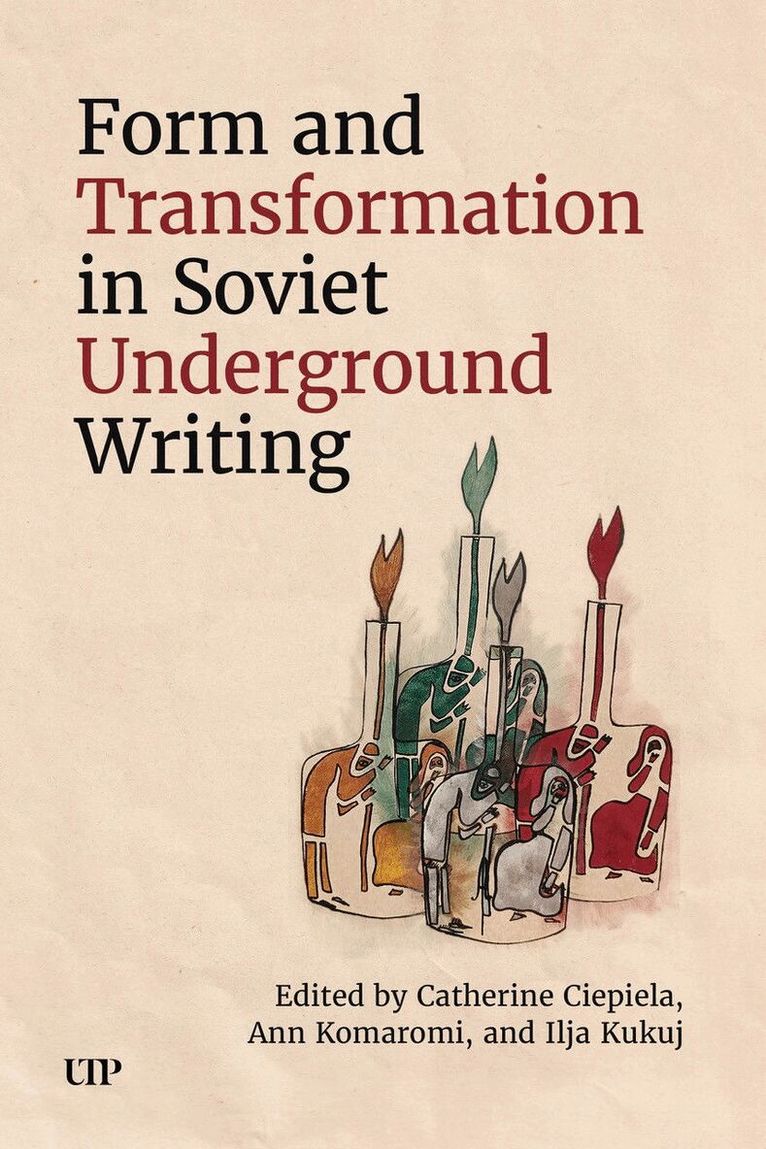
Form and Transformation in Soviet Underground Writing examines the rich literary and cultural innovation that thrived under Soviet censorship in the post-Stalin era. Moving beyond the idea of the underground as merely oppositional, this volume presents it as a vibrant field of artistic experimentation and social imagination. Through close readings of writers such as Leonid Aronzon, Vsevolod Nekrasov, Olga Sedakova, and Elena Shvarts – alongside studies of Vasilisk Gnedov’s late poetry, the international circulation of Evgenia Ginzburg’s memoirs, and conversations about publishing Soviet underground writing in the post-Soviet era – the collection explores how underground works moved within samizdat (self-publishing in the USSR) and out to tamizdat (publishing abroad). As these texts crossed media, borders, and decades, they gained new meanings and reshaped ideas of authorship and community. Bringing together literary, historical, and sociological perspectives, the book centres the intermediaries – editors, readers, and translators – who sustained creative autonomy under censorship and fostered communication beyond state control. By linking Soviet-era artistic innovation to today’s contexts of digital culture and renewed authoritarianism, the book reveals how the underground’s independence and inventive energy continue to inspire new forms of creativity, resistance, and cultural resilience.