Ann M. Arvin - Böcker
Visar alla böcker från författaren Ann M. Arvin. Handla med fri frakt och snabb leverans.
6 produkter
6 produkter
653 kr
Tillfälligt slut
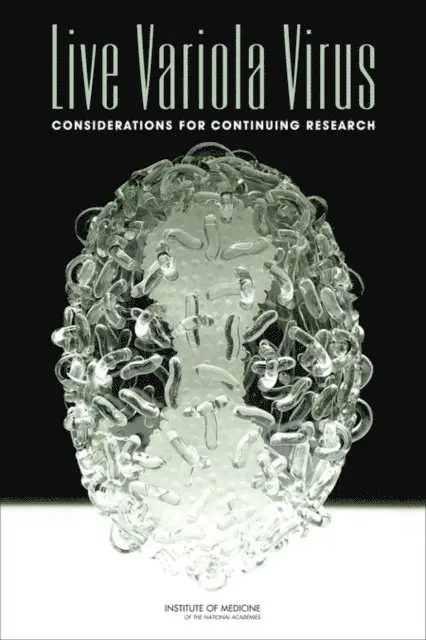
Smallpox was a devastating disease that decimated human populations for centuries, and its eradication in 1980 was a monumental achievement for the global health community. Since then the remaining known strains of its causative agent, variola virus, have been contained in two World Health Organization (WHO)-approved repositories. In 1999, the World Health Assembly (WHA) debated the issue of destroying these remaining strains. Arguments were presented on the need to retain the live virus for use in additional important research, and the decision to destroy the virus was deferred until this research could be completed. In that same year, the Institute of Medicine (IOM) convened a consensus committee to explore scientific needs for the live virus. In the ten years since the first IOM report, the scientific, political, and regulatory environments have changed. In this new climate, the IOM was once again tasked to consider scientific needs for live variola virus. The committee evaluated the scientific need for live variola virus in four areas: development of therapeutics, development of vaccines, genomic analysis, and discovery research.
1 745 kr
Skickas inom 10-15 vardagar
This edited volume provides insights about the molecular virology, pathoenesis of infection and host responses to varicella-zoster virus, which is a medically important human herpesvirus.
1 745 kr
Skickas inom 10-15 vardagar
This edited volume provides insights about the molecular virology, pathoenesis of infection and host responses to varicella-zoster virus, which is a medically important human herpesvirus.
1 256 kr
Skickas inom 10-15 vardagar
Varicella-zoster virus (VZV) causes both chickenpox and zoster. Fundamental to their prevention is an understanding of the natural history of VZV infection. This is a compilation of papers presented in March 1999 in Osaka, Japan, by internationally renowned researchers studying varicella-zoster virus and a vaccine used to prevent disease caused by this virus. The aim of the meeting was to explore progress made in basic and molecular biology of VZV and current understanding of latent infection and reactivation. Data concerning immune responses to VZV, mechanisms by which virus latency are controlled, and the latest information on vaccination to prevent varicella and zoster are presented and discussed.
2 643 kr
Skickas inom 10-15 vardagar
Varicella-zostervirus(VZV)isamedicallyimportanthumanherpesvirus,belo- ingtothesubfamilyAlphaherpesviridae. Thecapacitytopersistinsensoryneurons isade?ningcharacteristicoftheAlphaherpesviridaesubgroupwhichalsoincludes herpessimplexvirus1and2;likeVZV,simianvaricellavirus(SVV),pseudorabies virus-1(PRV-1),andequineherpesvirus-1(EHV-1)belongtotheVaricellovirus genus. ThebasicelementsoftheinfectiouscycleofVZVinthehumanhostarethat infectionofthena?vehostresultsinvaricella,commonlyknownaschickenpox, latencyisestablishedinsensoryganglia,andreactivationcauseszosteror"sh- gles. "Therelationshipbetweenthecausative agentofvaricellaandzoster was demonstratedmorethan100yearsagowhenchildreninoculatedwithmaterialfrom zosterlesionswereshowntodevelopvaricella. Thelocalizeddistributionofthe zosterrashwasalsorecognizedasdemarcatingthedematomeinnervatedbyaxons fromneuronsineachofthesensoryganglia. Earlyelectronmicroscopystudies showedthatvirusparticleswerepresentinhighconcentrationsinthevesicular ?uidfrombothvaricellaandzosterlesions,andVZVwasamongthe?rstviruses propagatedinvitrobyJohnEndersandThomasWeller.Theintroductionofim- nosuppressivetherapiesformalignancyledtoobservationssuggestingtheneed forcell-mediatedimmunityinthehostresponsetovaricellaanditsroleinma- tainingVZVlatency. Fortunately,earlystudiesofthemolecularvirologyofVZV revealedthatitwasinhibitedbyinterferencewiththethymidinekinasegene,and thelife-threateningandoftenfatalVZVinfectionsexperiencedbythesepatients becametreatablewithantiviraldrugs. Subsequently,thecapacitytogrowVZVin tissueculturewasexploitedtocreatealiveattenuatedVZVvaccinebyMichiaki Tashihaki. Whilenowtakenforgranted,theseearlyinsightsaboutVZVandits characteristicsasahumanpathogenaswellasthedevelopmentofeffectivean- viral drugs and vaccines occurred over many decades. Importantly, these early observationssetthestagefortheremarkableprogressthathasbeenmadeinour understandingofthemolecularbiologyofVZV,thesubtletiesofitstropismfor differentiatedhumancells,includinglymphocytesaswellasskinandneurons,and themechanismsbywhichthevirusachievesanequilibriumwiththehostsothatit persistsnotjustintheindividualbutinthehumanpopulation. v vi Preface Thepurposeofthisvolumeistoreviewkeyareasofprogressinthe?eldofVZV research,aswellasworkontherelatedSVV,writtenbythosewhohavecontributed manyofthenew?ndingsthathaveenrichedourknowledgeoftheuniquech- acteristicsofthisubiquitoushumanpathogen. AlthoughtheVZVgenomeisthe smallestamongthehumanherpesviruses,therapidlyacceleratingpaceofdiscovery about VZV and VZV-host interactions re?ected in these reviews promises to continueasnewtoolsareavailableandnewhypothesesaregeneratedtoexplain howVZVhascreatedandmaintaineditsnicheinthehuman"virome"Therelationshipbetweenthecausative agentofvaricellaandzoster was demonstratedmorethan100yearsagowhenchildreninoculatedwithmaterialfrom zosterlesionswereshowntodevelopvaricella. Thelocalizeddistributionofthe zosterrashwasalsorecognizedasdemarcatingthedematomeinnervatedbyaxons fromneuronsineachofthesensoryganglia. Earlyelectronmicroscopystudies showedthatvirusparticleswerepresentinhighconcentrationsinthevesicular ?uidfrombothvaricellaandzosterlesions,andVZVwasamongthe?rstviruses propagatedinvitrobyJohnEndersandThomasWeller. Theintroductionofim- nosuppressivetherapiesformalignancyledtoobservationssuggestingtheneed forcell-mediatedimmunityinthehostresponsetovaricellaanditsroleinma- tainingVZVlatency.Fortunately,earlystudiesofthemolecularvirologyofVZV revealedthatitwasinhibitedbyinterferencewiththethymidinekinasegene,and thelife-threateningandoftenfatalVZVinfectionsexperiencedbythesepatients becametreatablewithantiviraldrugs. Subsequently,thecapacitytogrowVZVin tissueculturewasexploitedtocreatealiveattenuatedVZVvaccinebyMichiaki Tashihaki. Whilenowtakenforgranted,theseearlyinsightsaboutVZVandits characteristicsasahumanpathogenaswellasthedevelopmentofeffectivean- viral drugs and vaccines occurred over many decades. Importantly, these early observationssetthestagefortheremarkableprogressthathasbeenmadeinour understandingofthemolecularbiologyofVZV,thesubtletiesofitstropismfor differentiatedhumancells,includinglymphocytesaswellasskinandneurons,and themechanismsbywhichthevirusachievesanequilibriumwiththehostsothatit persistsnotjustintheindividualbutinthehumanpopulation. v vi Preface Thepurposeofthisvolumeistoreviewkeyareasofprogressinthe?eldofVZV research,aswellasworkontherelatedSVV,writtenbythosewhohavecontributed manyofthenew?ndingsthathaveenrichedourknowledgeoftheuniquech- acteristicsofthisubiquitoushumanpathogen.AlthoughtheVZVgenomeisthe smallestamongthehumanherpesviruses,therapidlyacceleratingpaceofdiscovery about VZV and VZV-host interactions re?ected in these reviews promises to continueasnewtoolsareavailableandnewhypothesesaregeneratedtoexplain howVZVhascreatedandmaintaineditsnicheinthehuman"virome"sos- cessfully. Further improvements in the clinical management of VZV infection shouldemergeinparallelwithbetterinsightsintoVZVmolecularvirologyand pathogenesis. Stanford,CA,June,2010 AllisonAbendroth AnnM. Arvin JenniferF. Moffat Contents TheVaricella-ZosterVirusGenome ...1 JeffreyI. Cohen VZVMolecularEpidemiology ...15 JudithBreuer RolesofCellularTranscriptionFactorsinVZVReplication ...43 WilliamT. Ruyechan EffectsofVaricella-ZosterVirusonCellCycleRegulatoryPathways ...67 JenniferF. MoffatandRebeccaJ. Greenblatt Varicella-ZosterVirusOpenReadingFrame66ProteinKinase andItsRelationshiptoAlphaherpesvirusUS3Kinases ...79 AngelaErazoandPaulR. Kinchington VZVORF47SerineProteinKinaseandItsViralSubstrates ...99 TeriK. KenyonandCharlesGrose OverviewofVaricella-ZosterVirusGlycoproteinsgC,gHandgL ...113 CharlesGrose,JohnE. Carpenter,WallenJackson,andKarenM.Duus AnalysisoftheFunctionsofGlycoproteinsEandIandTheirPromoters DuringVZVReplicationInVitroandinSkinandT-CellXenografts intheSCIDMouseModelofVZVPathogenesis ...129 AnnM. Arvin,StefanOliver,MikeReichelt,JenniferF. Moffat, MarvinSommer,LeighZerboni,andBarbaraBerarducci Varicella-ZosterVirusGlycoproteinM ...147 YasukoMoriandTomohikoSadaoka vii viii Contents VaricellaZosterVirusImmuneEvasionStrategies ...155 AllisonAbendroth,PaulR. Kinchington,andBarrySlobedman VZVInfectionofKeratinocytes:ProductionofCell-FreeInfectious VirionsInVivo ...173 MichaelD. GershonandAnneA. Gershon Varicella-ZosterVirusTCellTropismandthePathogenesis ofSkinInfection ...189 AnnM. Arvin,JenniferF. Moffat,MarvinSommer,StefanOliver, XibingChe,SusanVleck,LeighZerboni,andChia-ChiKu ExperimentalModelstoStudyVaricella-ZosterVirusInfection ofNeurons ...211 MeganSteain,BarrySlobedman,andAllisonAbendroth MolecularCharacterizationofVaricellaZosterVirusinLatently InfectedHumanGanglia:PhysicalStateandAbundanceofVZV DNA,QuantitationofViralTranscriptsandDetection ofVZV-Speci?cProteins ...229 YevgeniyAzarkh,DonGilden,andRandallJ. Cohrs NeurologicalDiseaseProducedbyVaricellaZosterVirusReactivation WithoutRash ...243 DonGilden,RandallJ. Cohrs,RaviMahalingam,andMariaA. Nagel Varicella-ZosterVirusNeurotropisminSCIDMouse-Human DorsalRootGangliaXenografts ...255 L. Zerboni,M. Reichelt,andA. Arvin RodentModelsofVaricella-ZosterVirusNeurotropism ...277 JeffreyI. Cohen SimianVaricellaVirus:MolecularVirology ...291 WayneL. Gray SimianVaricellaVirusPathogenesis ...309 RaviMahalingam,IlhemMessaoudi,andDonGilden Varicella-ZosterVirusVaccine:MolecularGenetics ...323 D. ScottSchmid VZVTCell-MediatedImmunity ...341 AdrianaWeinbergandMyronJ. Levin Contents ix PerspectivesonVaccinesAgainstVaricella-ZosterVirusInfections ...359 AnneA. GershonandMichaelD. Gershon Index ...373 . Contributors Allison Abendroth Department of Infectious Diseases and Immunology, UniversityofSydney,BlackburnBuilding,Room601,Camperdown,NSW 2006, Australia and Centre for Virus Research, Westmead Millennium Institute,Westmead,NSW2145,Australia,allison. abendroth@sydney. edu. au AnnM. Arvin StanfordUniversitySchoolofMedicine,G311,Stanford,CA 94305,USA,aarvin@stanford.

2 643 kr
Skickas inom 10-15 vardagar
Varicella-zostervirus(VZV)isamedicallyimportanthumanherpesvirus,belo- ingtothesubfamilyAlphaherpesviridae. Thecapacitytopersistinsensoryneurons isade?ningcharacteristicoftheAlphaherpesviridaesubgroupwhichalsoincludes herpessimplexvirus1and2;likeVZV,simianvaricellavirus(SVV),pseudorabies virus-1(PRV-1),andequineherpesvirus-1(EHV-1)belongtotheVaricellovirus genus. ThebasicelementsoftheinfectiouscycleofVZVinthehumanhostarethat infectionofthena?vehostresultsinvaricella,commonlyknownaschickenpox, latencyisestablishedinsensoryganglia,andreactivationcauseszosteror"sh- gles. "Therelationshipbetweenthecausative agentofvaricellaandzoster was demonstratedmorethan100yearsagowhenchildreninoculatedwithmaterialfrom zosterlesionswereshowntodevelopvaricella. Thelocalizeddistributionofthe zosterrashwasalsorecognizedasdemarcatingthedematomeinnervatedbyaxons fromneuronsineachofthesensoryganglia. Earlyelectronmicroscopystudies showedthatvirusparticleswerepresentinhighconcentrationsinthevesicular ?uidfrombothvaricellaandzosterlesions,andVZVwasamongthe?rstviruses propagatedinvitrobyJohnEndersandThomasWeller.Theintroductionofim- nosuppressivetherapiesformalignancyledtoobservationssuggestingtheneed forcell-mediatedimmunityinthehostresponsetovaricellaanditsroleinma- tainingVZVlatency. Fortunately,earlystudiesofthemolecularvirologyofVZV revealedthatitwasinhibitedbyinterferencewiththethymidinekinasegene,and thelife-threateningandoftenfatalVZVinfectionsexperiencedbythesepatients becametreatablewithantiviraldrugs. Subsequently,thecapacitytogrowVZVin tissueculturewasexploitedtocreatealiveattenuatedVZVvaccinebyMichiaki Tashihaki. Whilenowtakenforgranted,theseearlyinsightsaboutVZVandits characteristicsasahumanpathogenaswellasthedevelopmentofeffectivean- viral drugs and vaccines occurred over many decades. Importantly, these early observationssetthestagefortheremarkableprogressthathasbeenmadeinour understandingofthemolecularbiologyofVZV,thesubtletiesofitstropismfor differentiatedhumancells,includinglymphocytesaswellasskinandneurons,and themechanismsbywhichthevirusachievesanequilibriumwiththehostsothatit persistsnotjustintheindividualbutinthehumanpopulation. v vi Preface Thepurposeofthisvolumeistoreviewkeyareasofprogressinthe?eldofVZV research,aswellasworkontherelatedSVV,writtenbythosewhohavecontributed manyofthenew?ndingsthathaveenrichedourknowledgeoftheuniquech- acteristicsofthisubiquitoushumanpathogen. AlthoughtheVZVgenomeisthe smallestamongthehumanherpesviruses,therapidlyacceleratingpaceofdiscovery about VZV and VZV-host interactions re?ected in these reviews promises to continueasnewtoolsareavailableandnewhypothesesaregeneratedtoexplain howVZVhascreatedandmaintaineditsnicheinthehuman"virome"Therelationshipbetweenthecausative agentofvaricellaandzoster was demonstratedmorethan100yearsagowhenchildreninoculatedwithmaterialfrom zosterlesionswereshowntodevelopvaricella. Thelocalizeddistributionofthe zosterrashwasalsorecognizedasdemarcatingthedematomeinnervatedbyaxons fromneuronsineachofthesensoryganglia. Earlyelectronmicroscopystudies showedthatvirusparticleswerepresentinhighconcentrationsinthevesicular ?uidfrombothvaricellaandzosterlesions,andVZVwasamongthe?rstviruses propagatedinvitrobyJohnEndersandThomasWeller. Theintroductionofim- nosuppressivetherapiesformalignancyledtoobservationssuggestingtheneed forcell-mediatedimmunityinthehostresponsetovaricellaanditsroleinma- tainingVZVlatency.Fortunately,earlystudiesofthemolecularvirologyofVZV revealedthatitwasinhibitedbyinterferencewiththethymidinekinasegene,and thelife-threateningandoftenfatalVZVinfectionsexperiencedbythesepatients becametreatablewithantiviraldrugs. Subsequently,thecapacitytogrowVZVin tissueculturewasexploitedtocreatealiveattenuatedVZVvaccinebyMichiaki Tashihaki. Whilenowtakenforgranted,theseearlyinsightsaboutVZVandits characteristicsasahumanpathogenaswellasthedevelopmentofeffectivean- viral drugs and vaccines occurred over many decades. Importantly, these early observationssetthestagefortheremarkableprogressthathasbeenmadeinour understandingofthemolecularbiologyofVZV,thesubtletiesofitstropismfor differentiatedhumancells,includinglymphocytesaswellasskinandneurons,and themechanismsbywhichthevirusachievesanequilibriumwiththehostsothatit persistsnotjustintheindividualbutinthehumanpopulation. v vi Preface Thepurposeofthisvolumeistoreviewkeyareasofprogressinthe?eldofVZV research,aswellasworkontherelatedSVV,writtenbythosewhohavecontributed manyofthenew?ndingsthathaveenrichedourknowledgeoftheuniquech- acteristicsofthisubiquitoushumanpathogen.AlthoughtheVZVgenomeisthe smallestamongthehumanherpesviruses,therapidlyacceleratingpaceofdiscovery about VZV and VZV-host interactions re?ected in these reviews promises to continueasnewtoolsareavailableandnewhypothesesaregeneratedtoexplain howVZVhascreatedandmaintaineditsnicheinthehuman"virome"sos- cessfully. Further improvements in the clinical management of VZV infection shouldemergeinparallelwithbetterinsightsintoVZVmolecularvirologyand pathogenesis. Stanford,CA,June,2010 AllisonAbendroth AnnM. Arvin JenniferF. Moffat Contents TheVaricella-ZosterVirusGenome ...1 JeffreyI. Cohen VZVMolecularEpidemiology ...15 JudithBreuer RolesofCellularTranscriptionFactorsinVZVReplication ...43 WilliamT. Ruyechan EffectsofVaricella-ZosterVirusonCellCycleRegulatoryPathways ...67 JenniferF. MoffatandRebeccaJ. Greenblatt Varicella-ZosterVirusOpenReadingFrame66ProteinKinase andItsRelationshiptoAlphaherpesvirusUS3Kinases ...79 AngelaErazoandPaulR. Kinchington VZVORF47SerineProteinKinaseandItsViralSubstrates ...99 TeriK. KenyonandCharlesGrose OverviewofVaricella-ZosterVirusGlycoproteinsgC,gHandgL ...113 CharlesGrose,JohnE. Carpenter,WallenJackson,andKarenM.Duus AnalysisoftheFunctionsofGlycoproteinsEandIandTheirPromoters DuringVZVReplicationInVitroandinSkinandT-CellXenografts intheSCIDMouseModelofVZVPathogenesis ...129 AnnM. Arvin,StefanOliver,MikeReichelt,JenniferF. Moffat, MarvinSommer,LeighZerboni,andBarbaraBerarducci Varicella-ZosterVirusGlycoproteinM ...147 YasukoMoriandTomohikoSadaoka vii viii Contents VaricellaZosterVirusImmuneEvasionStrategies ...155 AllisonAbendroth,PaulR. Kinchington,andBarrySlobedman VZVInfectionofKeratinocytes:ProductionofCell-FreeInfectious VirionsInVivo ...173 MichaelD. GershonandAnneA. Gershon Varicella-ZosterVirusTCellTropismandthePathogenesis ofSkinInfection ...189 AnnM. Arvin,JenniferF. Moffat,MarvinSommer,StefanOliver, XibingChe,SusanVleck,LeighZerboni,andChia-ChiKu ExperimentalModelstoStudyVaricella-ZosterVirusInfection ofNeurons ...211 MeganSteain,BarrySlobedman,andAllisonAbendroth MolecularCharacterizationofVaricellaZosterVirusinLatently InfectedHumanGanglia:PhysicalStateandAbundanceofVZV DNA,QuantitationofViralTranscriptsandDetection ofVZV-Speci?cProteins ...229 YevgeniyAzarkh,DonGilden,andRandallJ. Cohrs NeurologicalDiseaseProducedbyVaricellaZosterVirusReactivation WithoutRash ...243 DonGilden,RandallJ. Cohrs,RaviMahalingam,andMariaA. Nagel Varicella-ZosterVirusNeurotropisminSCIDMouse-Human DorsalRootGangliaXenografts ...255 L. Zerboni,M. Reichelt,andA. Arvin RodentModelsofVaricella-ZosterVirusNeurotropism ...277 JeffreyI. Cohen SimianVaricellaVirus:MolecularVirology ...291 WayneL. Gray SimianVaricellaVirusPathogenesis ...309 RaviMahalingam,IlhemMessaoudi,andDonGilden Varicella-ZosterVirusVaccine:MolecularGenetics ...323 D. ScottSchmid VZVTCell-MediatedImmunity ...341 AdrianaWeinbergandMyronJ. Levin Contents ix PerspectivesonVaccinesAgainstVaricella-ZosterVirusInfections ...359 AnneA. GershonandMichaelD. Gershon Index ...373 . Contributors Allison Abendroth Department of Infectious Diseases and Immunology, UniversityofSydney,BlackburnBuilding,Room601,Camperdown,NSW 2006, Australia and Centre for Virus Research, Westmead Millennium Institute,Westmead,NSW2145,Australia,allison. abendroth@sydney. edu. au AnnM. Arvin StanfordUniversitySchoolofMedicine,G311,Stanford,CA 94305,USA,aarvin@stanford.