Ann M. Ishimaru - Böcker
Visar alla böcker från författaren Ann M. Ishimaru. Handla med fri frakt och snabb leverans.
4 produkter
4 produkter
415 kr
Skickas inom 7-10 vardagar
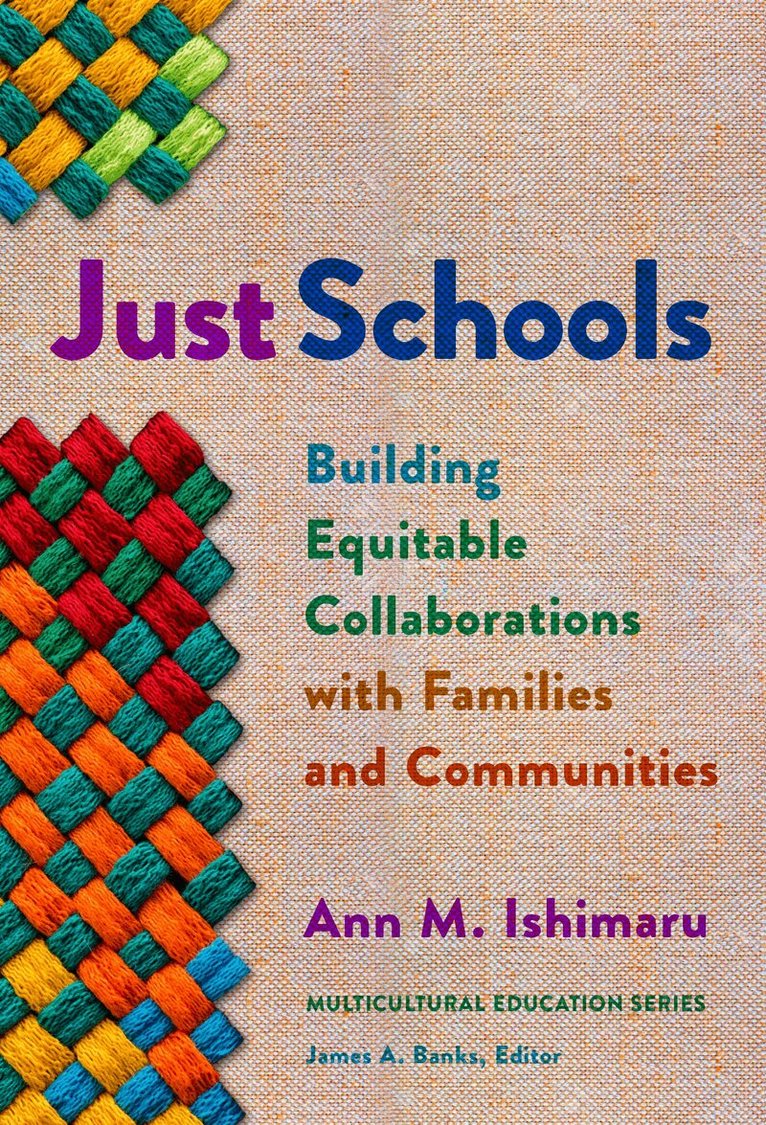
Just Schools examines the challenges and possibilities for building more equitable forms of collaboration among non-dominant families, communities, and schools. The text explores how equitable collaboration entails ongoing processes that begin with families and communities, transform power, build reciprocity and agency, and foster collective capacity through collective inquiry. These processes offer promising possibilities for improving student learning, transforming educational systems, and developing robust partnerships that build on the resources, expertise, and cultural practices of non-dominant families. Based on empirical research and inquiry-driven practice, this book describes core concepts and provides multiple examples of effective practices.Book Features:Broadens the dominant conception of leadership to include traditionally marginalized parents and communities as potential educational leaders.Explores partnerships from both a system-wide and in-school basis, with detailed portraits of what is possible.Translates theoretical principles at multiple scales: systemic, school, and individual practice.Shares studies focused on a broad range of contexts, strategies, and practices for enacting equitable collaboration with families.
1 333 kr
Skickas inom 11-20 vardagar
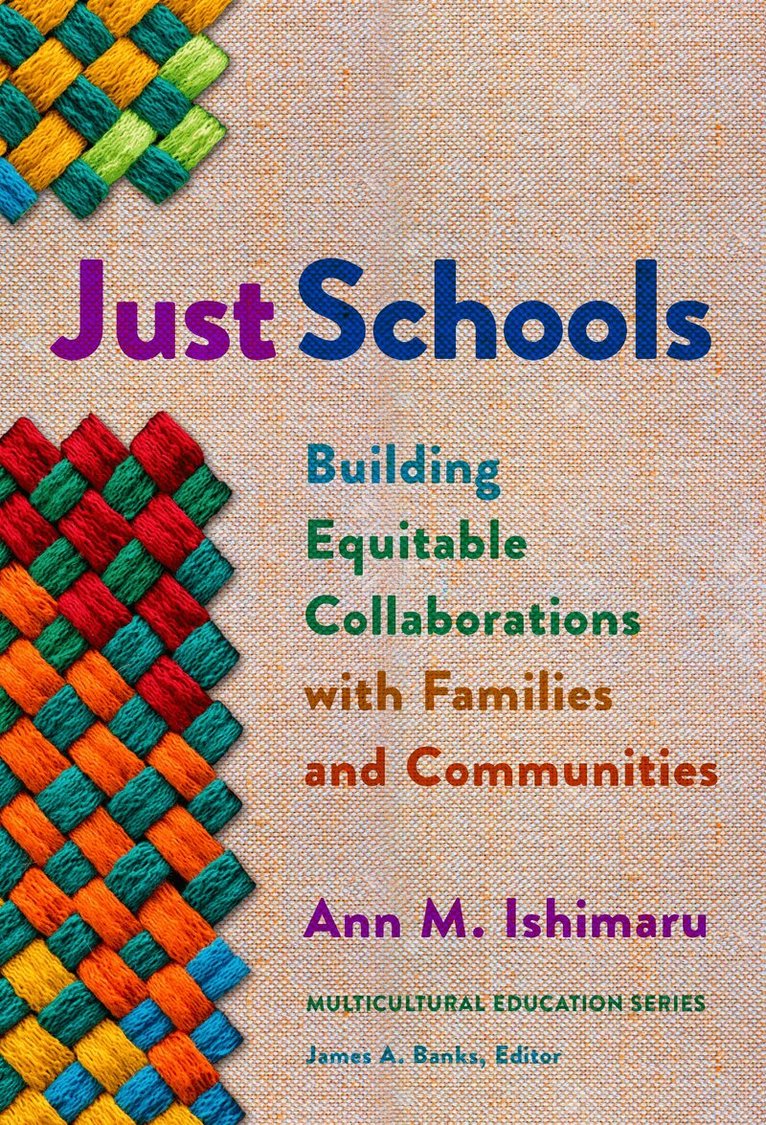
Just Schools examines the challenges and possibilities for building more equitable forms of collaboration among non-dominant families, communities, and schools. The text explores how equitable collaboration entails ongoing processes that begin with families and communities, transform power, build reciprocity and agency, and foster collective capacity through collective inquiry. These processes offer promising possibilities for improving student learning, transforming educational systems, and developing robust partnerships that build on the resources, expertise, and cultural practices of non-dominant families. Based on empirical research and inquiry-driven practice, this book describes core concepts and provides multiple examples of effective practices.Book Features:Broadens the dominant conception of leadership to include traditionally marginalized parents and communities as potential educational leaders.Explores partnerships from both a system-wide and in-school basis, with detailed portraits of what is possible.Translates theoretical principles at multiple scales: systemic, school, and individual practice.Shares studies focused on a broad range of contexts, strategies, and practices for enacting equitable collaboration with families.
453 kr
Skickas inom 7-10 vardagar
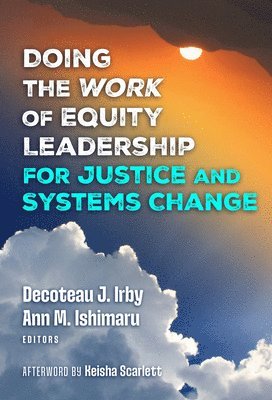
This book reveals the complex and crucial work of sustaining justice-focused educational systems change in the face of subtle resistance and outright attacks. Scholars and practitioners, who have worked together in various capacities across different school systems, examine systemic equity leadership in U.S. public schools over the course of nearly a decade and across a time of profound racial and historical change. This volume weaves together real-world insights, research-based strategies, and practical tools for transforming P–12 education systems into more equitable and just learning spaces. Contributors explore the early days of district equity leadership sparked by the Obama administration's focus on civil rights in education; Black Lives Matter (beginning with the Million Hoodies Movement for Justice); the proliferation of formal equity director roles, policies, and priorities; and the recent politically driven anti-DEI backlash. This book is important reading for school leaders, district personnel, policymakers, and everyone who cares about a public education that works for all students.Book Features:Provides bird's-eye and on-the-ground accounts of equity leadership to address broad questions and map invisible trends that have influenced how equity leadership happens.Explores approaches to district-wide equity leadership that emerged on the heels of Trayvon Martin's death, in what we now understand as the era of Black Lives Matter.Uses a frame of mornings, middays, and evenings to account for the cyclical nature of equity leadership and the limits and possibilities of working from within school systems to affect transformative change.Goes beyond the experience of any one school leader or team by illuminating organizational conditions, routines, networks, and practices.Includes insights on establishing district equity offices and institutionalizing equitable processes; using data to influence change and create accountability; and designing formal and informal networks that support the day-to-day work.
1 320 kr
Skickas inom 7-10 vardagar
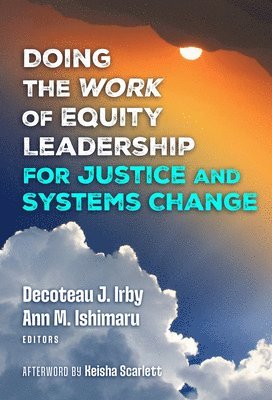
This book reveals the complex and crucial work of sustaining justice-focused educational systems change in the face of subtle resistance and outright attacks. Scholars and practitioners, who have worked together in various capacities across different school systems, examine systemic equity leadership in U.S. public schools over the course of nearly a decade and across a time of profound racial and historical change. This volume weaves together real-world insights, research-based strategies, and practical tools for transforming P–12 education systems into more equitable and just learning spaces. Contributors explore the early days of district equity leadership sparked by the Obama administration's focus on civil rights in education; Black Lives Matter (beginning with the Million Hoodies Movement for Justice); the proliferation of formal equity director roles, policies, and priorities; and the recent politically driven anti-DEI backlash. This book is important reading for school leaders, district personnel, policymakers, and everyone who cares about a public education that works for all students.Book Features:Provides bird's-eye and on-the-ground accounts of equity leadership to address broad questions and map invisible trends that have influenced how equity leadership happens.Explores approaches to district-wide equity leadership that emerged on the heels of Trayvon Martin's death, in what we now understand as the era of Black Lives Matter.Uses a frame of mornings, middays, and evenings to account for the cyclical nature of equity leadership and the limits and possibilities of working from within school systems to affect transformative change.Goes beyond the experience of any one school leader or team by illuminating organizational conditions, routines, networks, and practices.Includes insights on establishing district equity offices and institutionalizing equitable processes; using data to influence change and create accountability; and designing formal and informal networks that support the day-to-day work.