Anna Koch – författare
Visar alla böcker från författaren Anna Koch. Handla med fri frakt och snabb leverans.
9 produkter
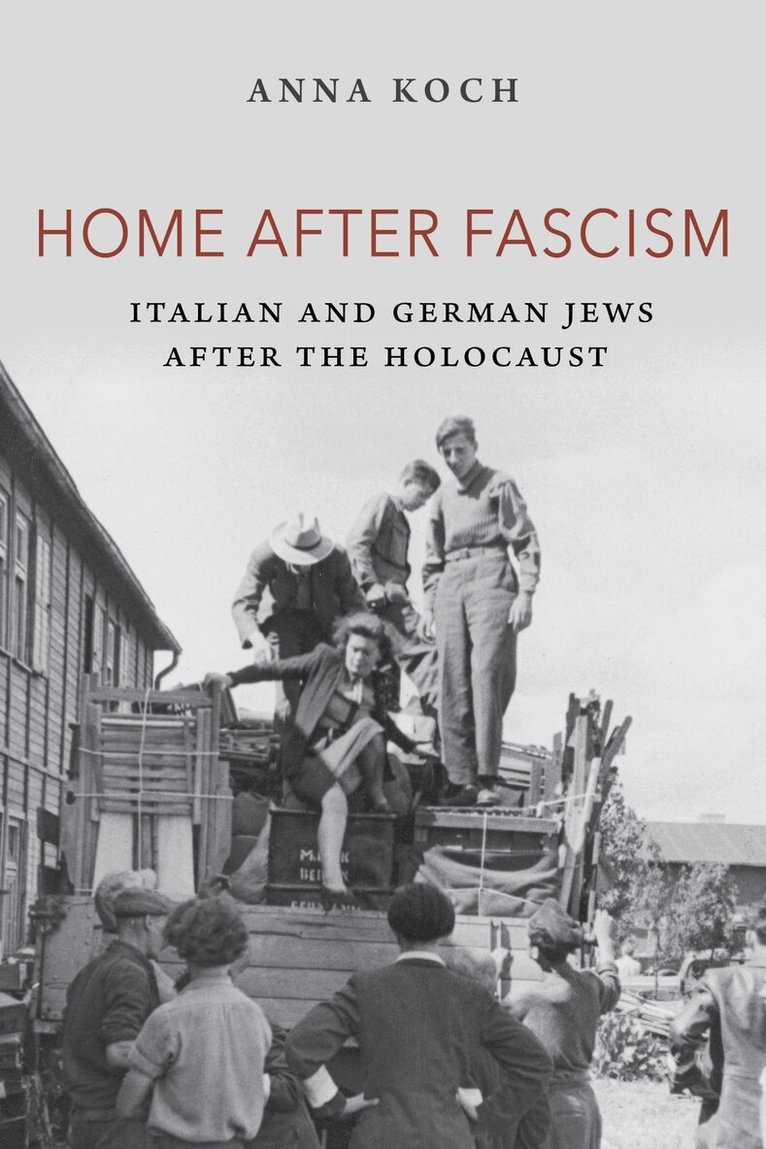
Home After Fascism
Italian and German Jews After the Holocaust
Av Anna Koch
Inbunden, 2023
1011 kr
Lägg i varukorg
Home after Fascism draws on a rich array of memoirs, interviews, correspondence, and archival research to tell the stories of Italian and German Jews who returned to their home countries after the Holocaust. The book reveals Jews' complex and often changing feelings toward their former homes and …
Home After Fascism
Italian and German Jews After the Holocaust
Av Anna Koch
Häftad, 2023
523 kr
Lägg i varukorg
Home after Fascism draws on a rich array of memoirs, interviews, correspondence, and archival research to tell the stories of Italian and German Jews who returned to their home countries after the Holocaust. The book reveals Jews' complex and often changing feelings toward their former homes and …
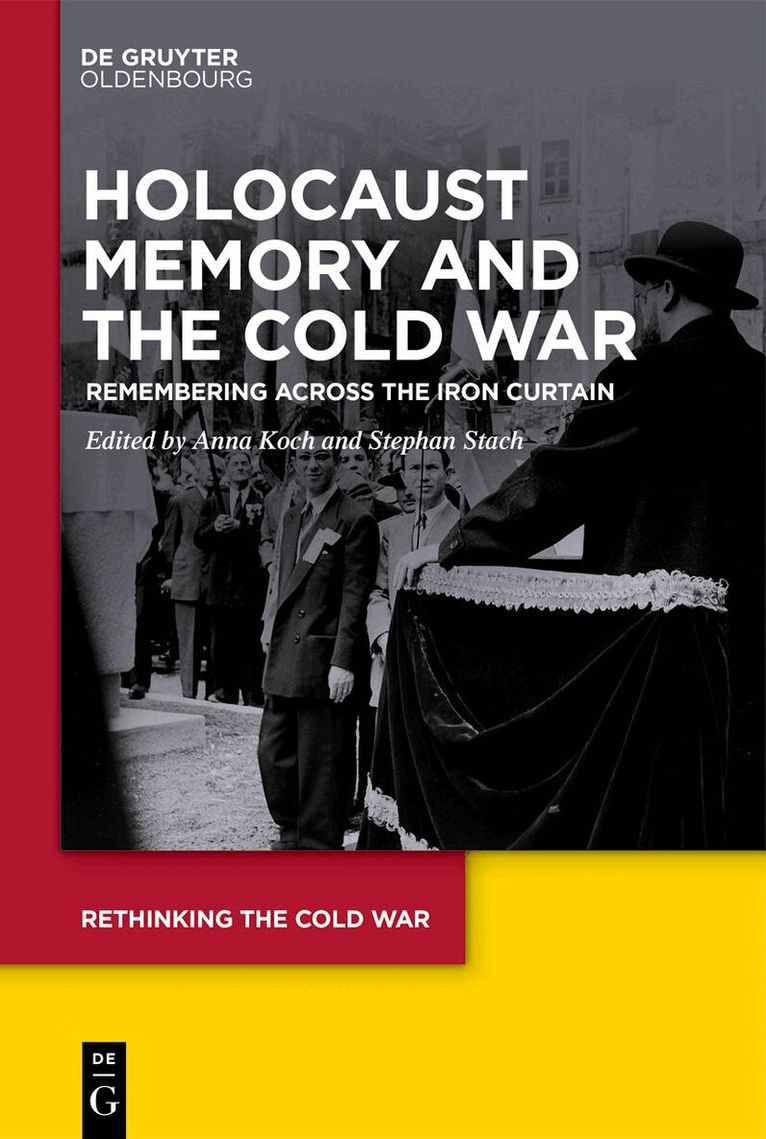
Holocaust Memory and the Cold War
Remembering across the Iron Curtain
Inbunden, 2024
1748 kr
Lägg i varukorg
Even before World War II had ended, survivors, historians, writers, and artists tried to make sense of the Holocaust. To do so, they relied on belief systems and narratives that, as the bloc confrontation intensified, were increasingly shaped by Cold War thinking. Foregrounding the Cold War’s role …
"Immer noch betrunken?" - "Vier"
Das Beste aus chatvongesternnacht.de
E-bok, 2018
170 kr
Lägg i varukorg
Immer noch betrunken? Die besten Chat-Verläufe Deutschlands!Kurznachrichtendienste wie WhatsApp sind aus dem Alltag nicht mehr wegzudenken. Eine Art der Kommunikation, die oftmals kuriose Blüten treibt. Der ständige Drang, sich mitzuteilen, wird besonders amüsant, wenn ihm nachts nachgegeben wird: …
Ist meine Hose noch bei euch?
Neues aus SMSvonGesternNacht.de
E-bok, 2011
153 kr
Lägg i varukorg
Im Zwielicht der Nacht wird schon mal aus Versehen Schluss gemacht und nach dem Aufwachen erschrocken gerätselt, ob (und wenn ja, mit wem?!) man vielleicht Sex gehabt hat. Unter dem Motto «Welche SMS hättest du gestern Nacht besser nicht verschickt» stellen Anna Koch und Axel Lilienblum besonders …
Du hast mich auf dem Balkon vergessen
Das Beste aus SMSvonGesternNacht.de
E-bok, 2012
170 kr
Lägg i varukorg
Die SMS der letzten Nacht ist nicht wie jede andere Kurznachricht. Sie erreicht einen aus dem Club, vom Klo einer fremden Wohnung oder vom steinigen Weg nach Hause. Sie ist unverblümt, bizarr, oft frivol, voller Emotionen und häufig an den Falschen adressiert. Unter dem Motto: «Welche SMS hättest …
Ich guck mal, ob du in der Küche liegst
Das Neueste aus SMSvonGesternNacht.de
E-bok, 2012
170 kr
Lägg i varukorg
Nach den Bestsellern «Du hast mich auf dem Balkon vergessen» und «Ist meine Hose noch bei euch?» schicken Anna Koch und Axel Lilienblum ihre Leser bereits zum dritten Mal auf eine Reise durch die lustigsten und schönsten SMS-Nachrichten des letzten Jahres.Auf ihrer Website …
Ich bin da, aber die Haustür nicht
Das Allerneueste aus SMSvonGesternNacht.de
E-bok, 2013
170 kr
Lägg i varukorg
Die mobile Kommunikation ist ein weites Feld und vor allem unterhaltsamer, als man gemeinhin denken mag. Nach den Bestsellern «Du hast mich auf dem Balkon vergessen», «Ist meine Hose noch bei euch?» und «Ich guck mal, ob du in der Küche liegst» präsentieren Anna Koch und Axel Lilienblum bereits zum …
Task-Analysis-Tools (Tatoo) - Schritt Fur Schritt Unterstutzung Zur Erfolgreichen Anforderungsanalyse
Häftad
570 kr
Tillfälligt slut