Stephan Stach - Böcker
Visar alla böcker från författaren Stephan Stach. Handla med fri frakt och snabb leverans.
2 produkter
2 produkter
Del 13 - Rethinking the Cold War
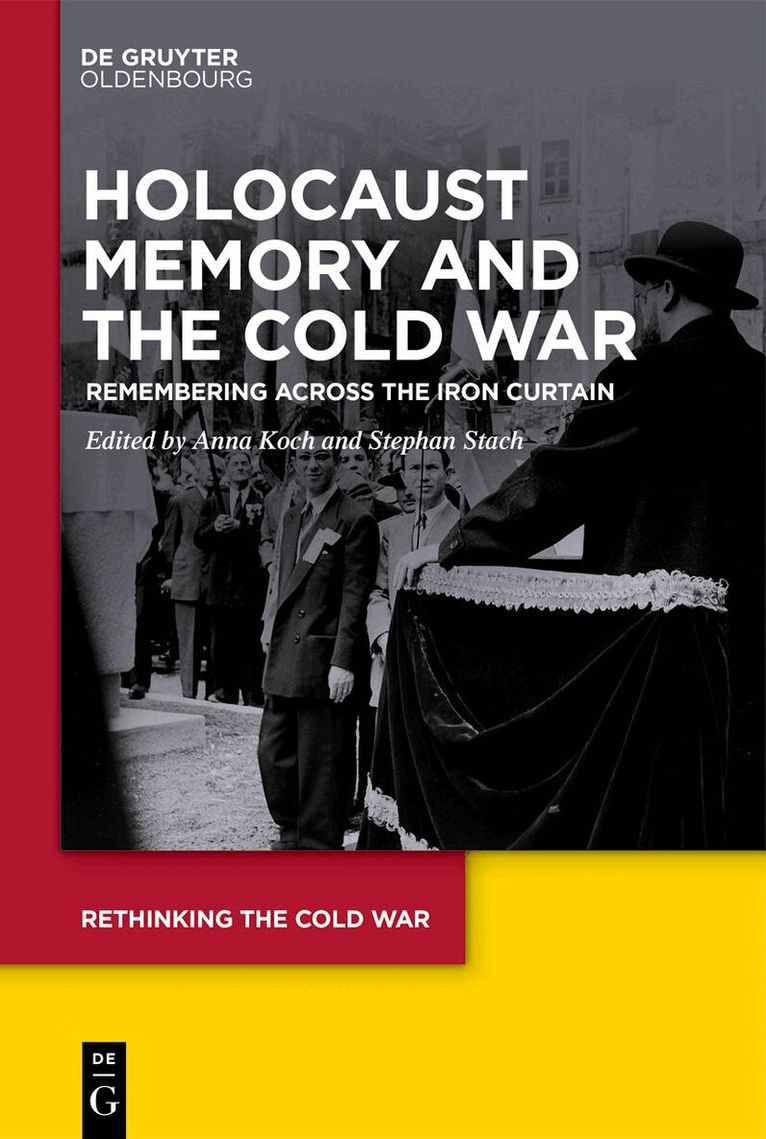
Holocaust Memory and the Cold War
Remembering across the Iron Curtain
Inbunden, Engelska, 2024
1 199 kr
Skickas inom 3-6 vardagar
Even before World War II had ended, survivors, historians, writers, and artists tried to make sense of the Holocaust. To do so, they relied on belief systems and narratives that, as the bloc confrontation intensified, were increasingly shaped by Cold War thinking. Foregrounding the Cold War’s role in shaping Holocaust memory, this book highlights how the global conflict between East and West influenced research, legal proceedings, and collective as well as individual memories of the murder of European Jews. Contributions focusing on different parts of the world reveal commonalities, differences, and entanglements between Eastern and Western memories of the Holocaust. Examining Holocaust memory from various disciplinary perspectives, the authors highlight the many ways in which scholars, writers, artists, and survivors both countered and contributed to dominant narratives shaped by oppositional ideological stances. While such distinct ideological positions often mattered greatly, at other times a shared interest in bringing perpetrators to justice, commemorating victims, and providing testimony to the atrocities committed against Europe’s Jews led to cooperation and exchange across the Iron Curtain.
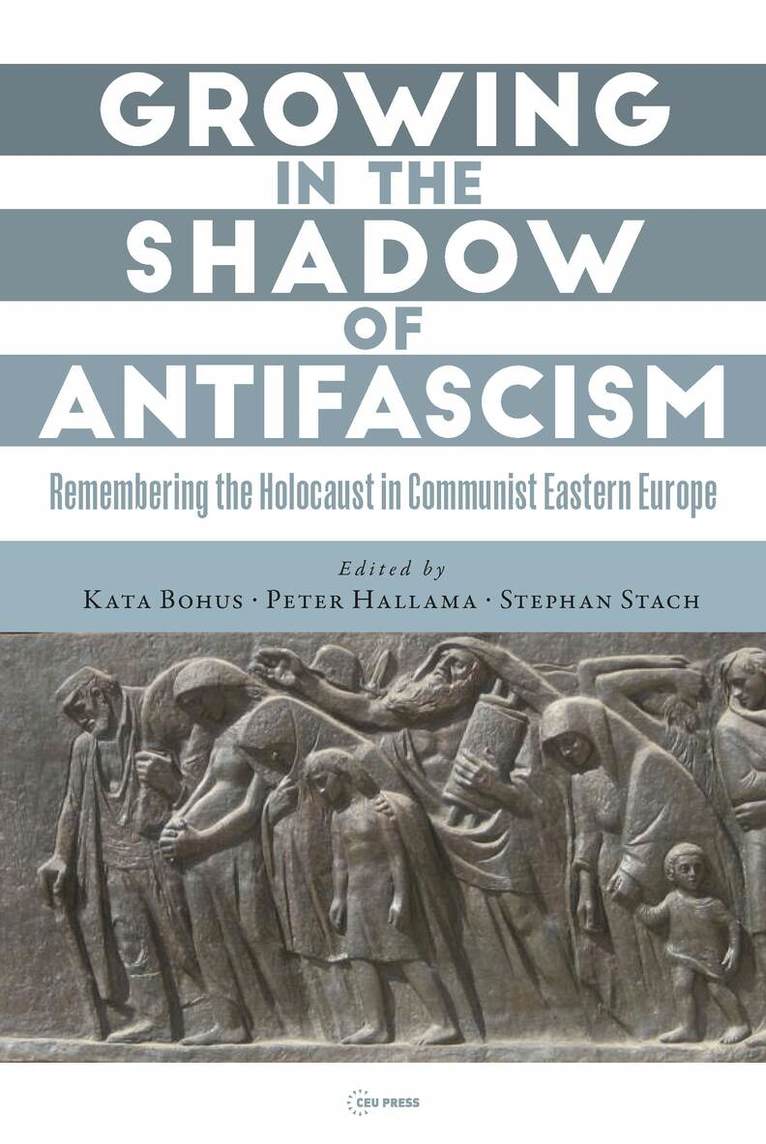
Growing in the Shadow of Antifascism
Remembering the Holocaust in State-Socialist Eastern Europe
Inbunden, Engelska, 2022
1 790 kr
Skickas inom 10-15 vardagar
Reined into the service of the Cold War confrontation, antifascist ideology overshadowed the narrative about the Holocaust in the communist states of Eastern Europe. This led to the Western notion that in the Soviet Bloc there was a systematic suppression of the memory of the mass murder of European Jews. Going beyond disputing the mistaken opposition between “communist falsification” of history and the “repressed authentic” interpretation of the Jewish catastrophe, this work presents and analyzes the ways as the Holocaust was conceptualized in the Soviet-ruled parts of Europe.The authors provide various interpretations of the relationship between antifascism and Holocaust memory in the communist countries, arguing that the predominance of an antifascist agenda and the acknowledgment of the Jewish catastrophe were far from mutually exclusive. The interactions included acts of negotiation, cross-referencing, and borrowing. Detailed case studies describe how both individuals and institutions were able to use anti-fascism as a framework to test and widen the boundaries for discussion of the Nazi genocide. The studies build on the new historiography of communism, focusing on everyday life and individual agency, revealing the formation of a great variety of concrete, local memory practices.