Anna Levin - Böcker
Visar alla böcker från författaren Anna Levin. Handla med fri frakt och snabb leverans.
4 produkter
4 produkter
228 kr
Skickas inom 7-10 vardagar
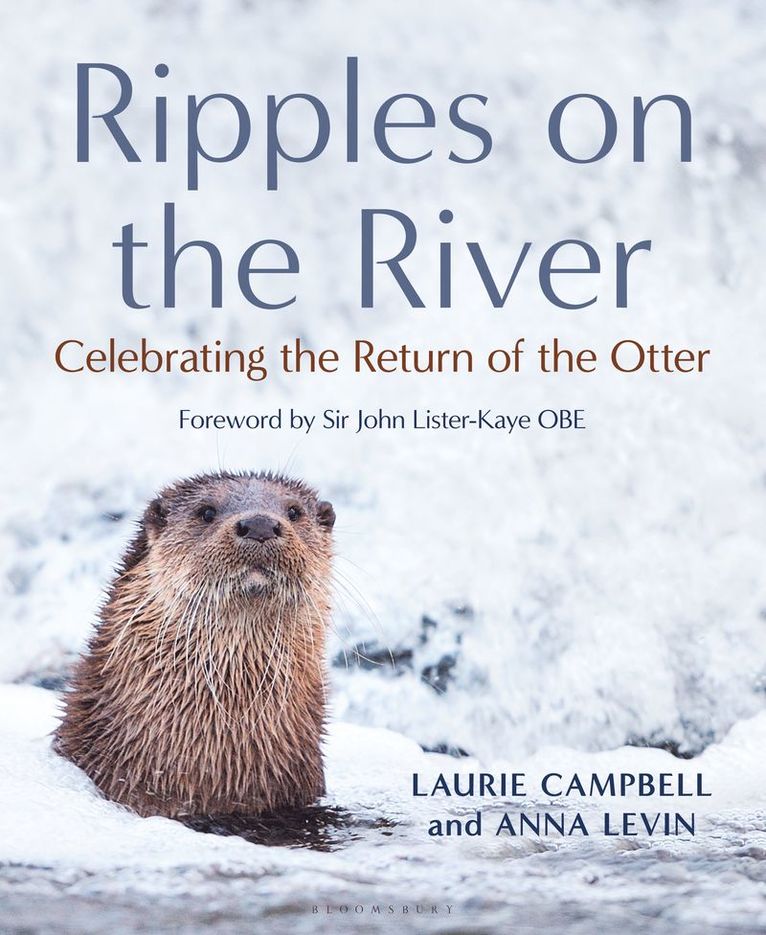
A photographic celebration of the return of otters to our rivers and freshwater wetlands after a drastic decline.Ripples of excitement are spreading through Europe’s rivers and wetlands. A generation ago, otter watching was a wildlife highlight restricted to remote coastal areas – otter populations had been decimated over the previous century by pesticide poisoning and habitat disturbance. Now we are seeing the positive effect of determined conservation efforts over recent decades. As our waterways improve, otters are returning and spreading throughout their former habitats.One of the UK’s leading natural history photographers, Laurie Campbell got to know otters while working in Scotland’s Highlands and Islands, but he had never seen these elusive predators on his home beat. Then, in the early 1990s, he was delighted to find otters back on the Tweed and its tributaries, a river system he has lived close to for most of his life. The discovery launched him on a quest to create a photographic account of their lives on his home river.More than two decades later, otter numbers continue to increase, and new generations of otters have become more confident around people, sometimes appearing in broad daylight and in town centres. Laurie continues his long-standing study, still photographing the otters through the changing seasons – always with an eye on the bigger picture of the river itself and the plants and animals that share the otters’ habitat.Wildlife journalist and writer Anna Levin accompanies Laurie to the riverbank and learns of his working philosophy and fieldcraft. Together they weave a wealth of information into the stories that the pictures tell. While extracts from Anna’s notebooks offer a vivid glimpse of the photographer at work and the otters that enchant them both.
111 kr
Skickas
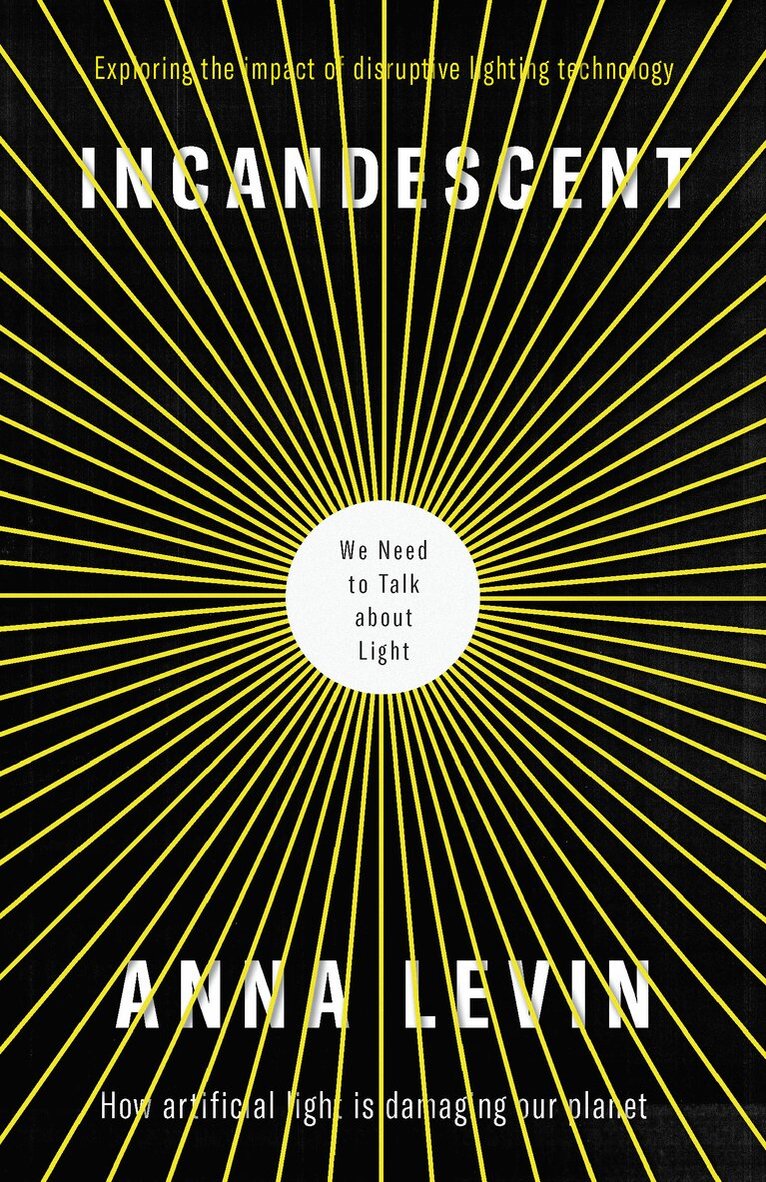
Light is changing, dramatically. Our world is getting brighter - you can see it from space. But is brighter always better? Artificial light is voracious and spreading. Vanquishing precious darkness across the planet, when we are supposed to be using less energy. The quality of light has altered as well. Technology and legislation have crushed warm incandescent lighting in favour of harsher, often glaring alternatives. Light is fundamental - it really matters. It interacts with life in profound yet subtle ways: it tells plants which way to grow, birds where to fly and coral when to spawn. It tells each and every one of us when to sleep, wake, eat. We mess with the eternal rhythm of dawn-day-dusk-night at our peril. But mess with it we have, and we still don't truly understand the consequences. In Incandescent, journalist Anna Levin reveals her own fraught relationship with changes in lighting, and she explores its real impact on nature, our built environment, health and psychological well-being. We need to talk about light, urgently. And ask the critical question: just how bright is our future?
123 kr
Skickas
In a pet dog you have your own personal trainer, your most loyal companion, your friendliest welcome, your uncritical friend.Yes, there are the muddy paws, the walks in the rain, the wet fur and the chewed footwear ... but let's look at the big picture!In a tribute to Man's Best Friend, Anna Levin's delightful short poem is a homage to our pet dogs, each line illustrated with a moving photograph of someone's mutt: funny, heart-wrenching, loving, exasperating and paying back their owners a hundred times over.
105 kr
Skickas
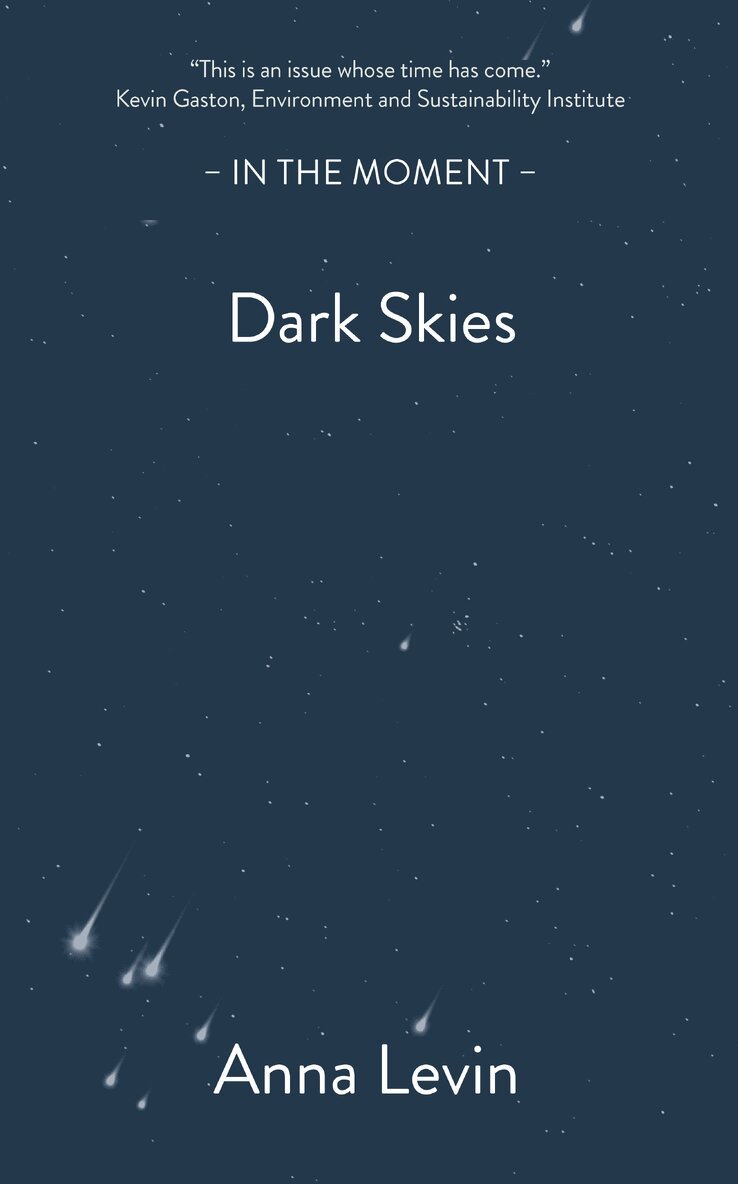
The darkness of the night represents something unknowable – even frightening – to many. But when we really look up and into it, we can find celestial light shows, whole ecosystems, and, perhaps, a new perspective. The night sky offers something essential – a connection to something bigger than ourselves that can, in turn, help us understand ourselves and each other better. Humans have recognised and tried to make sense of this feeling since ancient times. For so many – from physicists and astronauts to astrologists and artists - the night sky has been a source of inspiration, wonder and exploration.But now our relationship to dark skies is changing as our access to them is depleted. Light pollution all over Earth can be seen from space, altering the landscape and outlining the coasts. And if we look from Earth into space, we can see artificial light there, too. In this short volume, Anna Levin looks at how we can learn from and nurture our relationship with the night sky even and especially in the context of our changing world.As you learn how to see and treasure the night sky, a sense of wonder about the universe will help you to understand more about our own pale blue dot.