Anna Svendsen - Böcker
Visar alla böcker från författaren Anna Svendsen. Handla med fri frakt och snabb leverans.
4 produkter
4 produkter
1 544 kr
Skickas inom 10-15 vardagar
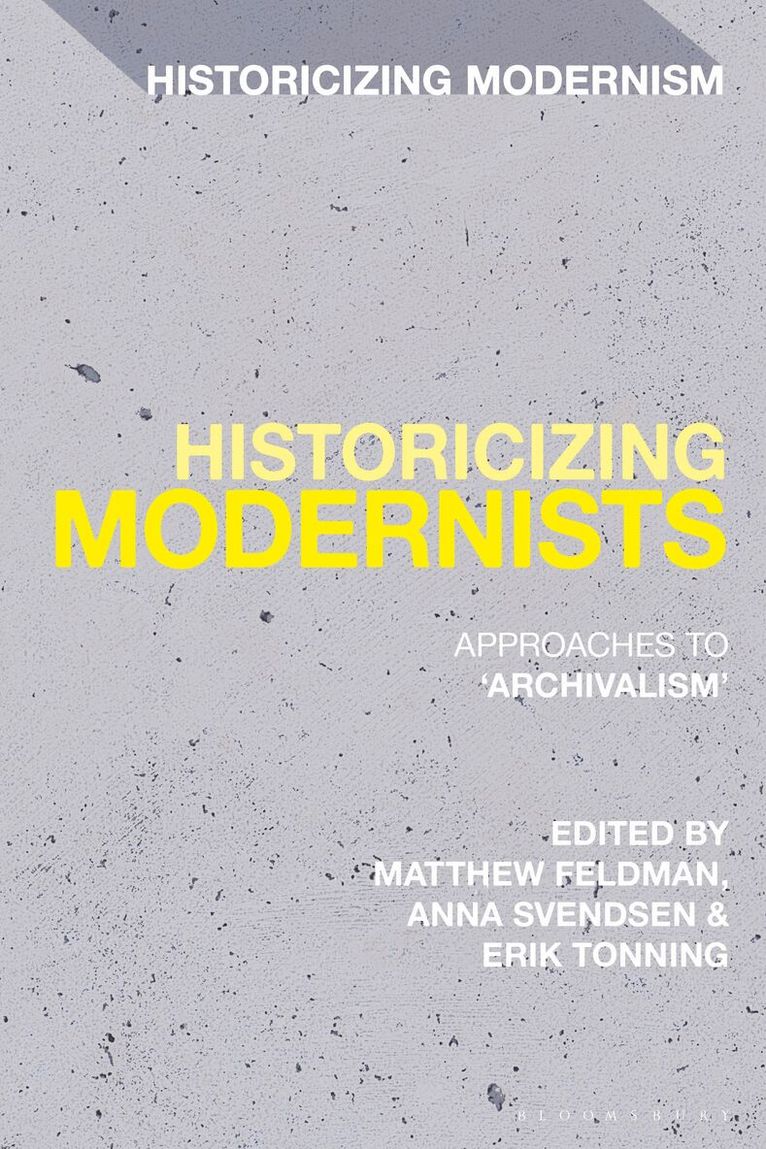
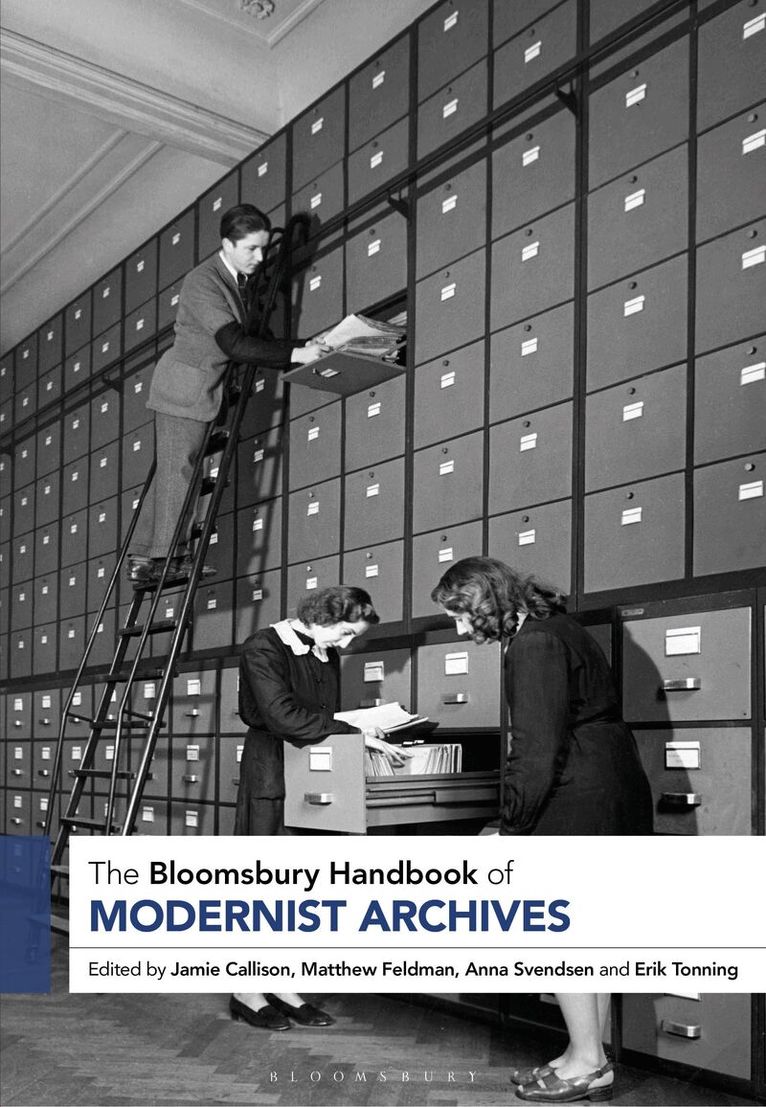
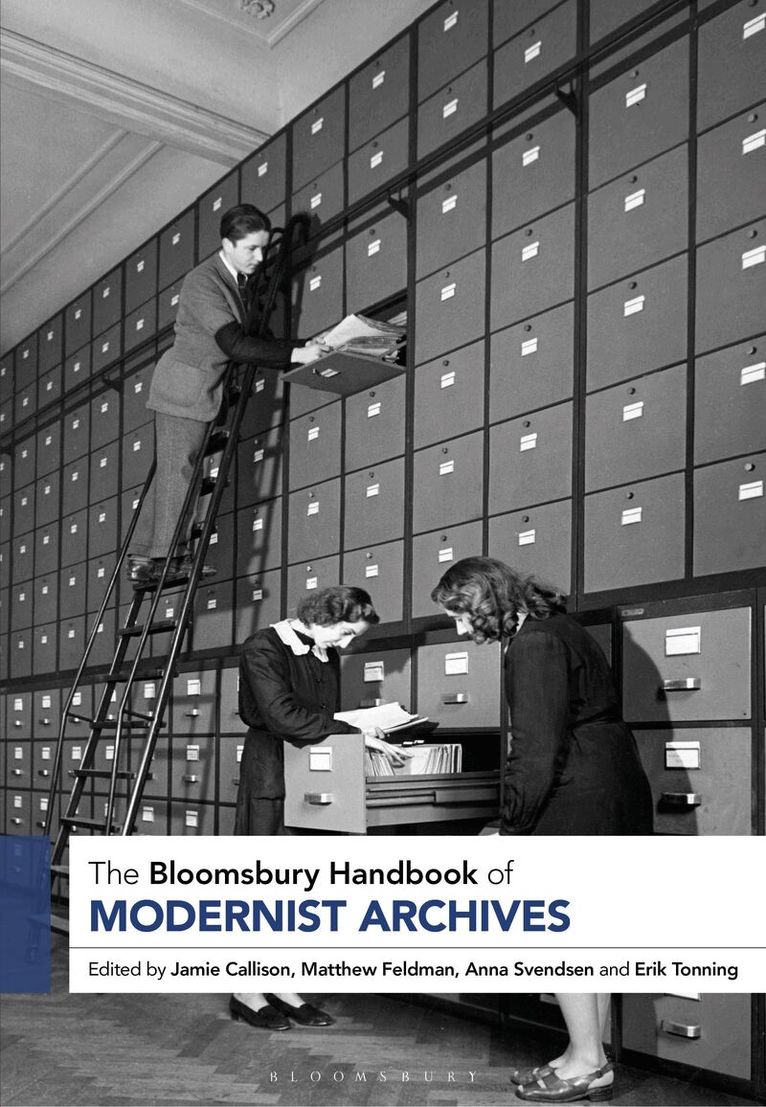
Focussing upon both canonical figures such as Woolf, Eliot, Pound, and Stein and emergent themes such as Christian modernism, intermedial modernism, queer Harlem Renaissance, this volume brings together previously unseen materials, from various archives, to bear upon cutting-edge interpretation of modernism. It provides an overview of approaches to modernism via the employment of various types of primary source material: correspondence, manuscripts and drafts, memoirs and production notes, reading notes and marginalia, and all manner of useful contextualising sources like news reports or judicial records. While having much to say to literary criticism more broadly, this volume is closely focused upon key modernist figures and emergent themes in light of the discipline’s 'archival turn' – termed in a unifying introduction ‘achivalism’. An essential ingredient separating the above, recent tendency from a much older and better-established new historicism, in modernist studies at least, is that 'the literary canon' remains an important starting point. Whereas new historicism 'is interested in history as represented and recorded in written documents' and tends toward a 'parallel study of literature and non-literary texts', archival criticism tends toward recognised, oftentimes canonical or critically-lauded, writers, presented in Part 1. Sidestepping the vicissitudes of canon formation, manuscript scholars tend to gravitate toward leading modernist authors: James Joyce, Ezra Pound, Virginia Woolf, Gertrude Stein, T.S. Eliot and Samuel Beckett. Part of the reason is obvious: known authors frequently leave behind sizeable literary estates, which are then acquired by research centres. A second section then applies the same empirical methodology to key or emergent themes in the study of modernism, including queer modernism; spatial modernism; little magazines (and online finding aids structuring them); and the role of faith and/or emotions in the construction of ‘modernism’ as we know it.
469 kr
Skickas inom 10-15 vardagar
Focussing upon both canonical figures such as Woolf, Eliot, Pound, and Stein and emergent themes such as Christian modernism, intermedial modernism, queer Harlem Renaissance, this volume brings together previously unseen materials, from various archives, to bear upon cutting-edge interpretation of modernism. It provides an overview of approaches to modernism via the employment of various types of primary source material: correspondence, manuscripts and drafts, memoirs and production notes, reading notes and marginalia, and all manner of useful contextualising sources like news reports or judicial records. While having much to say to literary criticism more broadly, this volume is closely focused upon key modernist figures and emergent themes in light of the discipline’s 'archival turn' – termed in a unifying introduction ‘achivalism’. An essential ingredient separating the above, recent tendency from a much older and better-established new historicism, in modernist studies at least, is that 'the literary canon' remains an important starting point. Whereas new historicism 'is interested in history as represented and recorded in written documents' and tends toward a 'parallel study of literature and non-literary texts', archival criticism tends toward recognised, oftentimes canonical or critically-lauded, writers, presented in Part 1. Sidestepping the vicissitudes of canon formation, manuscript scholars tend to gravitate toward leading modernist authors: James Joyce, Ezra Pound, Virginia Woolf, Gertrude Stein, T.S. Eliot and Samuel Beckett. Part of the reason is obvious: known authors frequently leave behind sizeable literary estates, which are then acquired by research centres. A second section then applies the same empirical methodology to key or emergent themes in the study of modernism, including queer modernism; spatial modernism; little magazines (and online finding aids structuring them); and the role of faith and/or emotions in the construction of ‘modernism’ as we know it.
765 kr
Kommande
Providing a broad, definitive account of how the 'archival turn' in humanities scholarship has shaped modernist studies, this book also functions as an ongoing ‘practitioner’s toolkit’ (including useful bibliographical resources) and a guide to avenues for future work.Archival work in modernist studies has revolutionised the discipline in the past two decades, fuelled by innovative and ambitious scholarly editing projects and a growing interest in fresh types of archival sources and evidence that can re-contextualise modernist writing. Several theoretical trends have prompted this development, including the focus on compositional process within genetic manuscript studies, the emphasis on book history, little magazines, and wider publishing contexts, and the emphasis on new material evidence and global and ‘non-canonical’ authors and networks within the ‘New Modernist Studies’.This book provides a guide to the variety of new archival research that will point to fresh avenues and connect the methodologies and resources being developed across modernist studies. Offering a variety of single-author case studies on recent archival developments and editing projects, including Samuel Beckett, Hart Crane, H.D., James Joyce, Dorothy Richardson, May Sinclair and Virginia Woolf, it also offers a range of thematic essays that examine an array of underused sources as well as the challenges facing archival researchers of modernism
2 108 kr
Skickas inom 10-15 vardagar
Providing a broad, definitive account of how the 'archival turn' in humanities scholarship has shaped modernist studies, this book also functions as an ongoing ‘practitioner’s toolkit’ (including useful bibliographical resources) and a guide to avenues for future work.Archival work in modernist studies has revolutionised the discipline in the past two decades, fuelled by innovative and ambitious scholarly editing projects and a growing interest in fresh types of archival sources and evidence that can re-contextualise modernist writing. Several theoretical trends have prompted this development, including the focus on compositional process within genetic manuscript studies, the emphasis on book history, little magazines, and wider publishing contexts, and the emphasis on new material evidence and global and ‘non-canonical’ authors and networks within the ‘New Modernist Studies’.This book provides a guide to the variety of new archival research that will point to fresh avenues and connect the methodologies and resources being developed across modernist studies. Offering a variety of single-author case studies on recent archival developments and editing projects, including Samuel Beckett, Hart Crane, H.D., James Joyce, Dorothy Richardson, May Sinclair and Virginia Woolf, it also offers a range of thematic essays that examine an array of underused sources as well as the challenges facing archival researchers of modernism