Anna Wainwright - Böcker
Visar alla böcker från författaren Anna Wainwright. Handla med fri frakt och snabb leverans.
5 produkter
5 produkter
172 kr
Skickas inom 7-10 vardagar
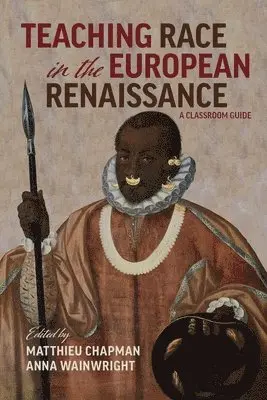
A multidisciplinary guide to classroom discussion of race in the European Renaissance. Teaching Race in the European Renaissance: A Classroom Guide provides both educators and students the tools they need to discuss race in the European Renaissance both in its unique historical contexts and as part of a broader continuum with racial thinking today. The volume gathers scholars of the English, French, Italian, and Iberian Renaissances to provide exercises, lesson plans, methodologies, readings, and other resources designed to bring discussions of race into a broad spectrum of classes on the early modern period, from literature to art history to the history of science. This book is designed to help educators create more diverse and inclusive syllabi and curricula that engage and address a diverse, twenty-first-century student body composed of students from a growing variety of cultural, national, ethnic, and racial backgrounds. By providing clear, concise, and diverse methodologies and analytical focuses, Teaching Race in the European Renaissance: A Classroom Guide will help educators in all areas of Renaissance Studies overcome the anxiety and fear that can come with stepping outside of their expertise to engage with the topic of race, while also providing expert scholars of race in the Renaissance with new techniques and pedagogies to enhance the classroom experience of their students.
1 770 kr
Skickas inom 5-8 vardagar
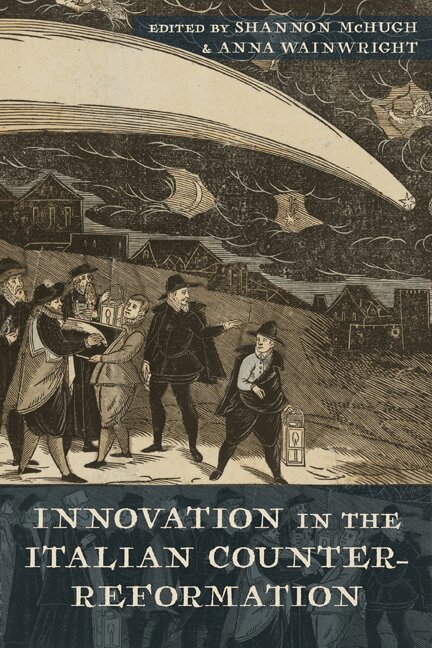
The enduring "black legend" of the Italian Counter-Reformation, which has held sway in both scholarly and popular culture, maintains that the Council of Trent ushered in a cultural dark age in Italy, snuffing out the spectacular creative production of the Renaissance. As a result, the decades following Trent have been mostly overlooked in Italian literary studies, in particular. The thirteen essays of Innovation in the Italian Counter-Reformation present a radical reconsideration of literary production in post-Tridentine Italy. With particular attention to the much-maligned tradition of spiritual literature, the volume’s contributors weave literary analysis together with religion, theater, art, music, science, and gender to demonstrate that the literature of this period not only merits study but is positively innovative. Contributors include such renowned critics as Virginia Cox and Amedeo Quondam, two of the leading scholars on the Italian Counter-Reformation.Published by University of Delaware Press. Distributed worldwide by Rutgers University Press.
858 kr
Skickas inom 10-15 vardagar
The enduring "black legend" of the Italian Counter-Reformation, which has held sway in both scholarly and popular culture, maintains that the Council of Trent ushered in a cultural dark age in Italy, snuffing out the spectacular creative production of the Renaissance. As a result, the decades following Trent have been mostly overlooked in Italian literary studies, in particular. The thirteen essays of Innovation in the Italian Counter-Reformation present a radical reconsideration of literary production in post-Tridentine Italy. With particular attention to the much-maligned tradition of spiritual literature, the volume’s contributors weave literary analysis together with religion, theater, art, music, science, and gender to demonstrate that the literature of this period not only merits study but is positively innovative. Contributors include such renowned critics as Virginia Cox and Amedeo Quondam, two of the leading scholars on the Italian Counter-Reformation.Published by University of Delaware Press. Distributed worldwide by Rutgers University Press.
556 kr
Skickas inom 7-10 vardagar
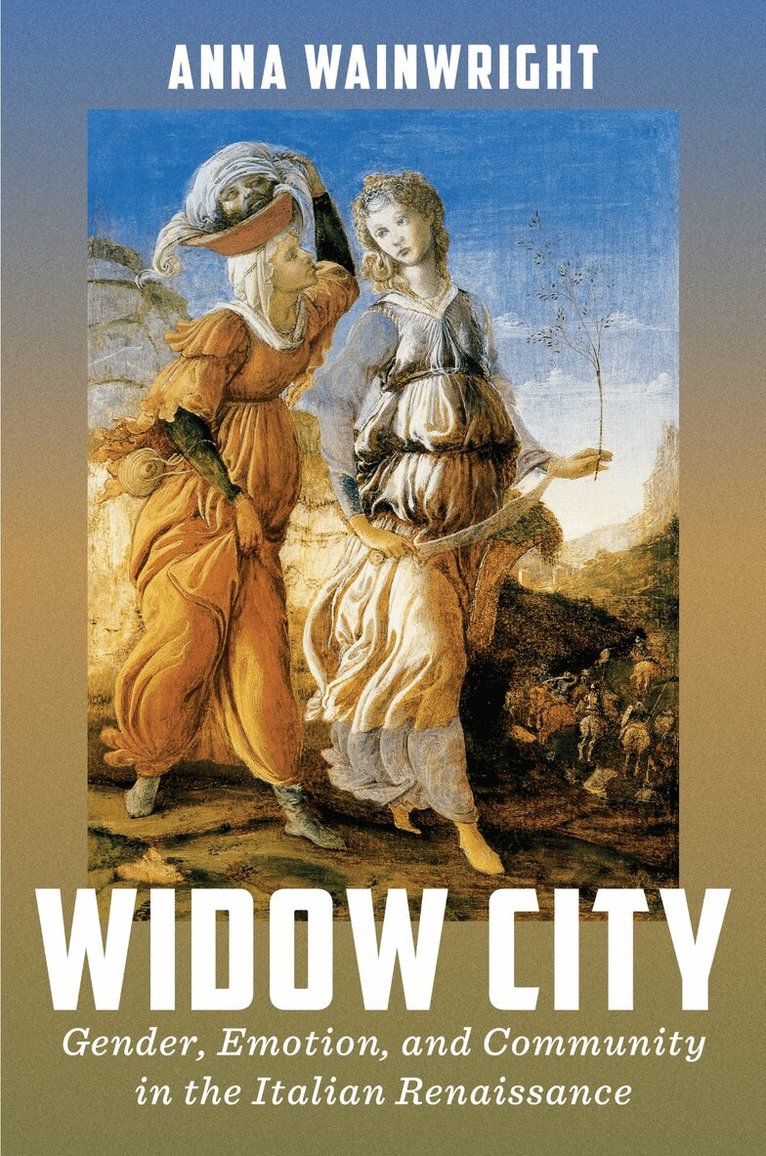
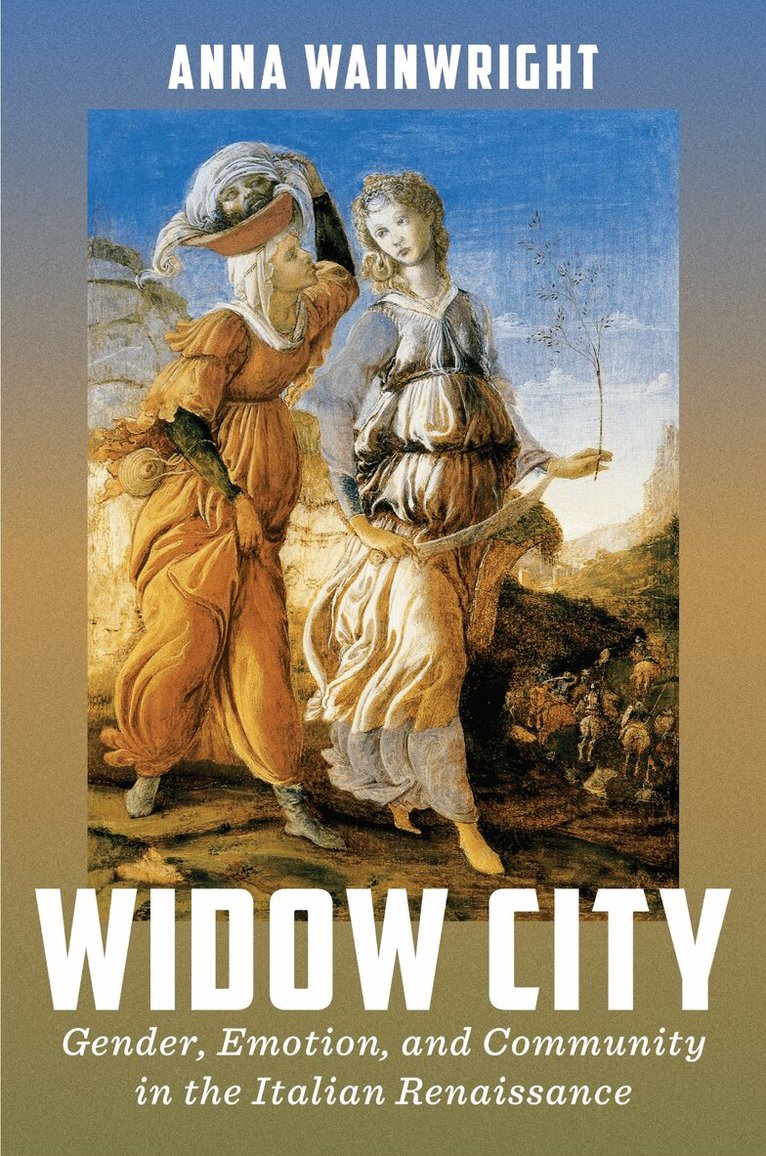
Widow City: Gender, Emotion, and Community in Renaissance Italy investigates the ever-evolving role of the widow in medieval and early modern Italian literature, from canonical authors such as Dante, Petrarch, and Boccaccio, to the numerous widowed writers who rose to prominence in the sixteenth century—including Vittoria Colonna, Veronica Gambara, and Francesca Turina—and radically changed the conversation on public mourning. Engaging with broader intellectual discussions around gender, the history of emotions, the politics of mourning, and the construction of community, Widow City argues that widows served as key models demonstrating to readers not just how to mourn, but how to live well after devastating loss. At the same time, widows were figures of great anxiety: their status as unattached women, and the public performance of their grief, were viewed as very real threats to the stability of the social order. They are thus key to broader intellectual understandings of community and civic life in the Italian Middle Ages and Renaissance.
1 592 kr
Skickas inom 7-10 vardagar
Widow City: Gender, Emotion, and Community in Renaissance Italy investigates the ever-evolving role of the widow in medieval and early modern Italian literature, from canonical authors such as Dante, Petrarch, and Boccaccio, to the numerous widowed writers who rose to prominence in the sixteenth century—including Vittoria Colonna, Veronica Gambara, and Francesca Turina—and radically changed the conversation on public mourning. Engaging with broader intellectual discussions around gender, the history of emotions, the politics of mourning, and the construction of community, Widow City argues that widows served as key models demonstrating to readers not just how to mourn, but how to live well after devastating loss. At the same time, widows were figures of great anxiety: their status as unattached women, and the public performance of their grief, were viewed as very real threats to the stability of the social order. They are thus key to broader intellectual understandings of community and civic life in the Italian Middle Ages and Renaissance.