Anne Behnke Kinney - Böcker
Visar alla böcker från författaren Anne Behnke Kinney. Handla med fri frakt och snabb leverans.
3 produkter
3 produkter
1 286 kr
Skickas inom 7-10 vardagar
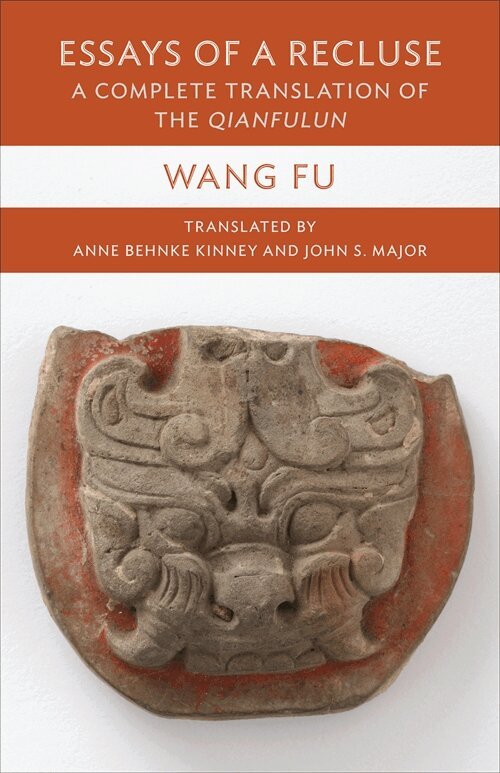
Under the Eastern Han dynasty (25–220 CE), a self-described recluse wrote a series of essays denouncing the evils of his time. Assailing corruption, misrule, and neglect of the common people, Wang Fu’s Essays of a Recluse (Qianfulun) offers a rare outsider view of culture, society, and government during this period. This book presents the first full English translation of the Qianfulun, one of the most significant works to survive from the Eastern Han period.Wang’s essays range across moral philosophy, cosmology, education, military affairs, and conflict in the borderlands. The essays decry governmental corruption and rampant litigiousness, as well as the callous neglect of the poor and the exploitation of women. To remedy these failures, Wang Fu calls for heeding the wisdom of the classics and implementing procedures for recruiting worthy officials. His focused interest in the common people and sensitivity to their travails make Essays of a Recluse a rich source of information about daily life during the Eastern Han period, providing insights into folk religion, divination, marriage practices, and the legal system. Widely admired in his lifetime, Wang’s essays were later singled out by Han Yu (768–824 CE) as one of the three great works of the period. Anne Behnke Kinney and John S. Major’s expert translation makes an important but notoriously complex and difficult work accessible to a range of English-language readers.
327 kr
Skickas inom 7-10 vardagar
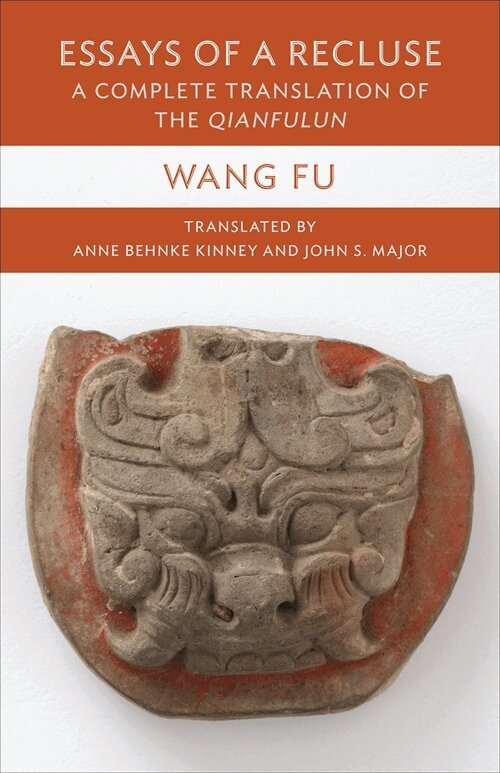
Under the Eastern Han dynasty (25–220 CE), a self-described recluse wrote a series of essays denouncing the evils of his time. Assailing corruption, misrule, and neglect of the common people, Wang Fu’s Essays of a Recluse (Qianfulun) offers a rare outsider view of culture, society, and government during this period. This book presents the first full English translation of the Qianfulun, one of the most significant works to survive from the Eastern Han period.Wang’s essays range across moral philosophy, cosmology, education, military affairs, and conflict in the borderlands. The essays decry governmental corruption and rampant litigiousness, as well as the callous neglect of the poor and the exploitation of women. To remedy these failures, Wang Fu calls for heeding the wisdom of the classics and implementing procedures for recruiting worthy officials. His focused interest in the common people and sensitivity to their travails make Essays of a Recluse a rich source of information about daily life during the Eastern Han period, providing insights into folk religion, divination, marriage practices, and the legal system. Widely admired in his lifetime, Wang’s essays were later singled out by Han Yu (768–824 CE) as one of the three great works of the period. Anne Behnke Kinney and John S. Major’s expert translation makes an important but notoriously complex and difficult work accessible to a range of English-language readers.
948 kr
Skickas inom 10-15 vardagar
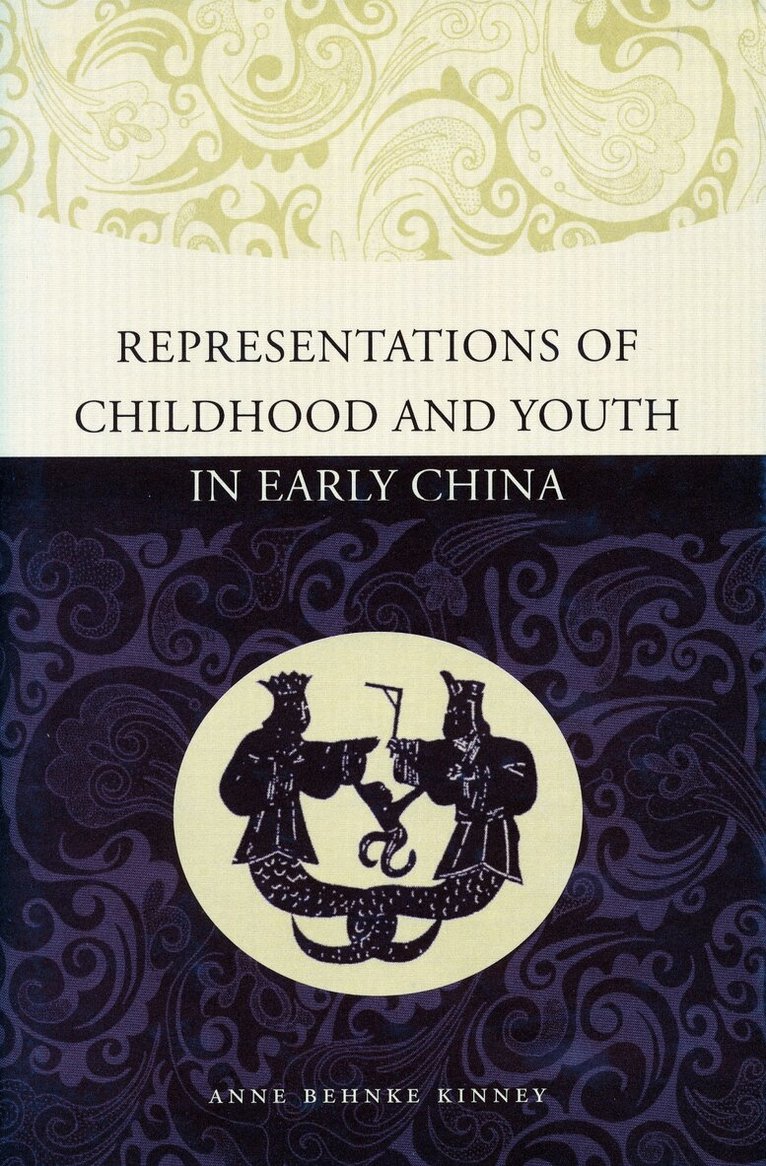
This is the first book in any language to explore the cultural connotations of childhood in the early phases of Chinese history. Drawing upon both traditional and archeological materials, this study encompasses the stages of human development that begin with the embryo and extend to late adolescence. While texts from China's most ancient period scarcely mention children, rather suddenly, in Han times (206 BC-AD 220), the written record begins to feature fairly detailed references to children and the childhoods of famous figures. The aim of this book is to identify the cultural conditions that place children and childhood near the center of intellectual debate during this period. These conditions are related to the establishment of a centralized empire and are expressed in the discourse surrounding cosmology, medicine, law, statecraft, and—most important—dynastic history. The book describes the dangers that haunted children of high status, with the rules of succession, shifting power structures at court, and traditional views on patriarchy and parental authority (including the right of life and death over children) contributing to their vulnerability.