Anne F. Sutton – författare
Visar alla böcker från författaren Anne F. Sutton. Handla med fri frakt och snabb leverans.
5 produkter
5 produkter
Del 42 - Records of Social and Economic History
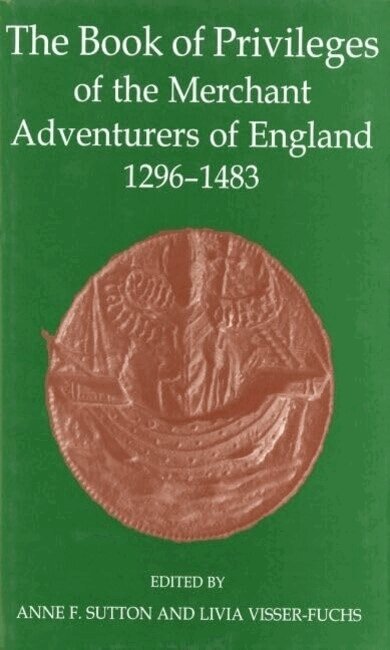
The Book of Privileges of the Merchant Adventurers of England, 1296-1483
Inbunden, Engelska, 2009
1 511 kr
Skickas inom 7-10 vardagar
This is a full edition of the trading privileges that had been granted to the Merchant Adventurers' Company of England by the princes of the Low Countries from 1296, copied into one diplomatic reference book in 1484. The sequence of grants reveals the steadily increasing value of the cross-Channel trade - at first dominated by wool, and then by woollen cloth and linen - which made it important that peace was maintained between the nations. The introduction explains why this copy of the grants was made for an embassy ordered by Richard III to solve a mercantile impasse and circumvent the conditions of civil war in the Low Countries so that trade might continue. Appendices describe the development of the office of the governor of the Merchant Adventurers up to 1484, and present the little known petitions from Antwerp merchants to the kings of England that their own position be put on a par with the advantages enjoyed by the English under their privileges.The text of each privilege is included in its original language of French, Latin or Dutch, accompanied by the 15th-century English translation.This unique addition to the corpus of English texts of this period forms a valuable sourcebook on trade and political events in medieval Europe, as well as a unique tool for students of medieval language and translation.
2 246 kr
Skickas inom 10-15 vardagar
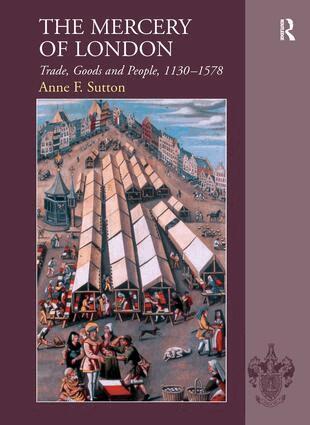
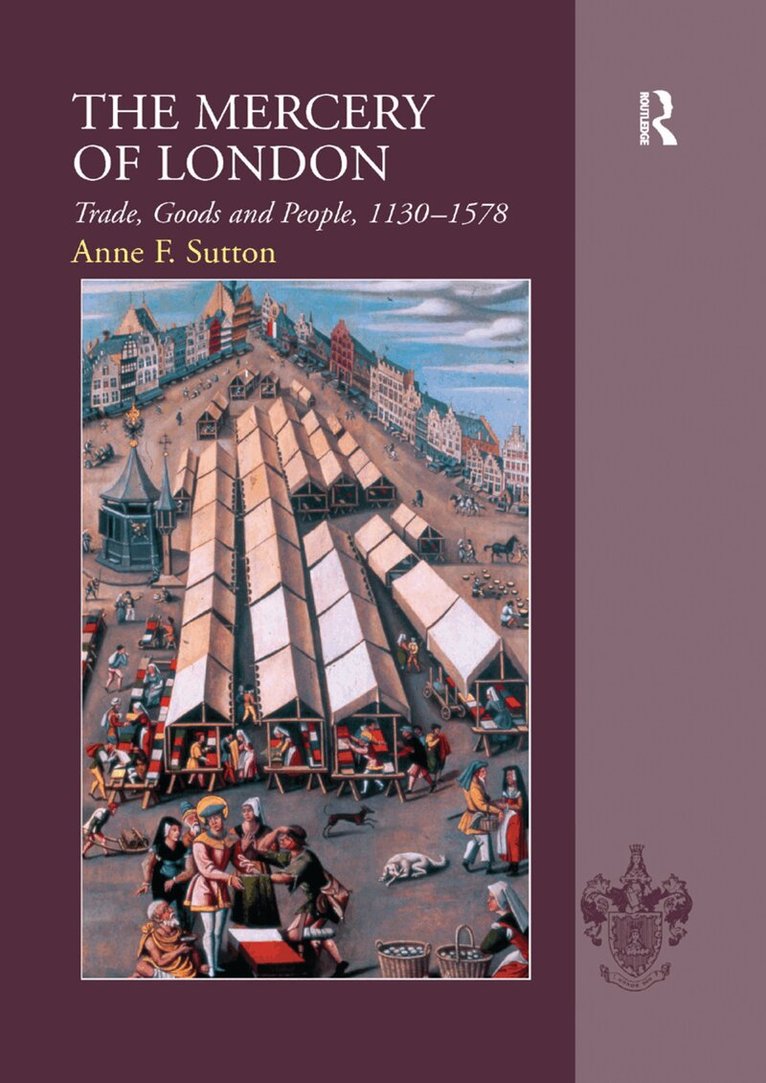
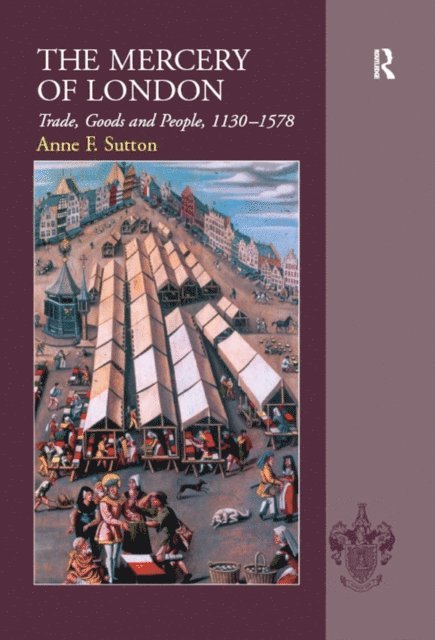
Although mercers have long been recognised as one of the most influential trades in medieval London, this is the first book to offer a comprehensive and detailed analysis of the trade from the twelfth to the sixteenth century. The variety of mercery goods (linen, silk, worsted and small manufactured items including what is now called haberdashery) gave the mercers of London an edge over all competitors. The sources and production of all these commodities is traced throughout the period covered. It was as the major importers and distributors of linen in England that London mercers were able to take control of the Merchant Adventurers and the export of English cloth to the Low Countries. The development of the Adventurers' Company and its domination by London mercers is described from its first privileges of 1296 to after the fall of Antwerp. This book investigates the earliest itinerant mercers and the artisans who made and sold mercery goods (such as the silkwomen of London, so often mercers' wives), and their origins in counties like Norfolk, the source of linen and worsted. These diverse traders were united by the neighbourhood of the London Mercery on Cheapside and by their need for the privileges of the freedom of London. Extensive use of Netherlandish and French sources puts the London Mercery into the context of European Trade, and literary texts add a more personal image of the merchant and his preoccupation with his social status which rose from that of the despised pedlar to the advisor of princes. After a slow start, the Mercers' Company came to include some of the wealthiest and most powerful men of London and administer a wide range of charitable estates such as that of Richard Whittington. The story of how they survived the vicissitudes inflicted by the wars and religious changes of the sixteenth century concludes this fascinating and wide-ranging study.
735 kr
Skickas inom 10-15 vardagar
Although mercers have long been recognised as one of the most influential trades in medieval London, this is the first book to offer a comprehensive and detailed analysis of the trade from the twelfth to the sixteenth century. The variety of mercery goods (linen, silk, worsted and small manufactured items including what is now called haberdashery) gave the mercers of London an edge over all competitors. The sources and production of all these commodities is traced throughout the period covered. It was as the major importers and distributors of linen in England that London mercers were able to take control of the Merchant Adventurers and the export of English cloth to the Low Countries. The development of the Adventurers' Company and its domination by London mercers is described from its first privileges of 1296 to after the fall of Antwerp. This book investigates the earliest itinerant mercers and the artisans who made and sold mercery goods (such as the silkwomen of London, so often mercers' wives), and their origins in counties like Norfolk, the source of linen and worsted. These diverse traders were united by the neighbourhood of the London Mercery on Cheapside and by their need for the privileges of the freedom of London. Extensive use of Netherlandish and French sources puts the London Mercery into the context of European Trade, and literary texts add a more personal image of the merchant and his preoccupation with his social status which rose from that of the despised pedlar to the advisor of princes. After a slow start, the Mercers' Company came to include some of the wealthiest and most powerful men of London and administer a wide range of charitable estates such as that of Richard Whittington. The story of how they survived the vicissitudes inflicted by the wars and religious changes of the sixteenth century concludes this fascinating and wide-ranging study.
Richard III's Books
Ideals and Reality in the Life and Library of a Medieval Prince
Häftad, Engelska, 2024
221 kr
Skickas
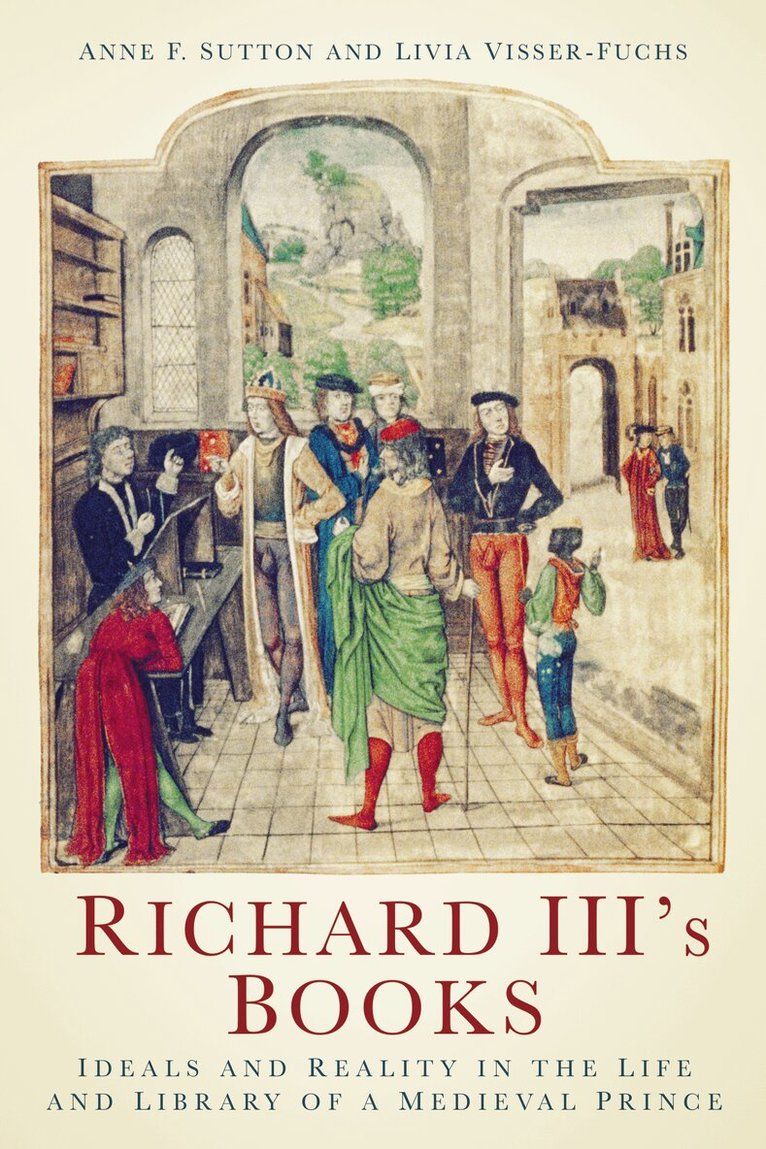
Richard III, the most notorious and most discussed of English kings, was also unusual among his contemporaries in regularly signing his books. This characteristic, among others, has enabled Anne Sutton and Livia Visser-Fuchs to reconstruct his library, and link it to the culture and reading habits of his generation.The books of Richard III are typical of what was available to and popular with the medieval reader – religion, chivalry, history, genealogy, advice on how to govern, romance and prophecy – and allow us to draw an interesting overview of fifteenth-century opinions.Each type of book is examined on its own terms and then related to the known preoccupations of Richard himself, his associates and to the political practices of his time. Containing valuable biographical material, insights into the history and politics of the later fifteenth century, and much detail on late medieval piety and other important aspects of contemporary culture, this fully illustrated survey has wide-ranging significance for all who study the history and literature of the medieval period.
189 kr
Tillfälligt slut
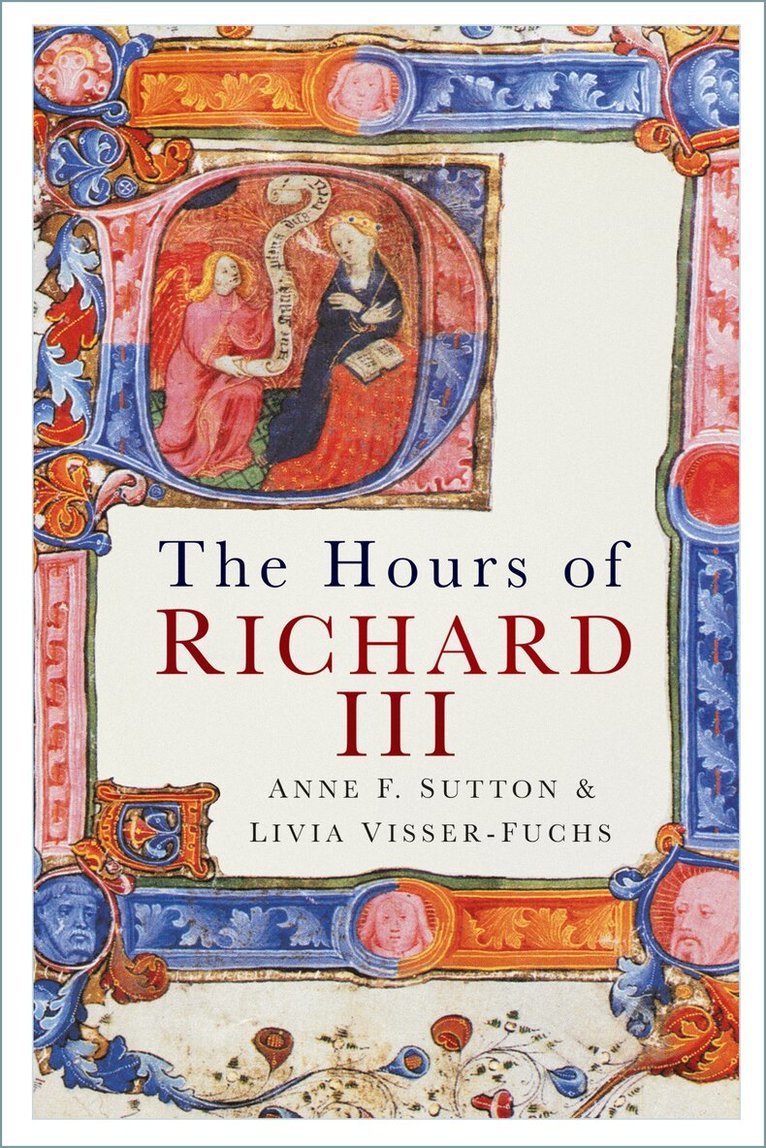
As a person’s religious convictions, especially in times past, can be considered fundamental to their character and behaviour, the nature of King Richard III’s piety has been the subject of considerable debate. Much of this controversy has focused on the Book of Hours adopted by the king for his own private use following his coronation, and to which certain prayers, including that known as the ‘Prayer of Richard III’, were added.In The Hours of Richard III Ricardian experts Anne F. Sutton and Livia Visser-Fuchs explore the manuscript and the prayer’s text. The manuscript (now preserved in Lambeth Palace Library) was originally produced in London around 1420 and the text shows the preoccupations of a devout man of the fifteenth century, while its decoration showcases the development of London manuscript illumination during that period. Moreover, in this analysis of the manuscript, the authors offer an insight into the personality of Richard III, one of the most controversial figures in medieval history.