Anne Robbins - Böcker
Visar alla böcker från författaren Anne Robbins. Handla med fri frakt och snabb leverans.
3 produkter
3 produkter
559 kr
Skickas inom 7-10 vardagar
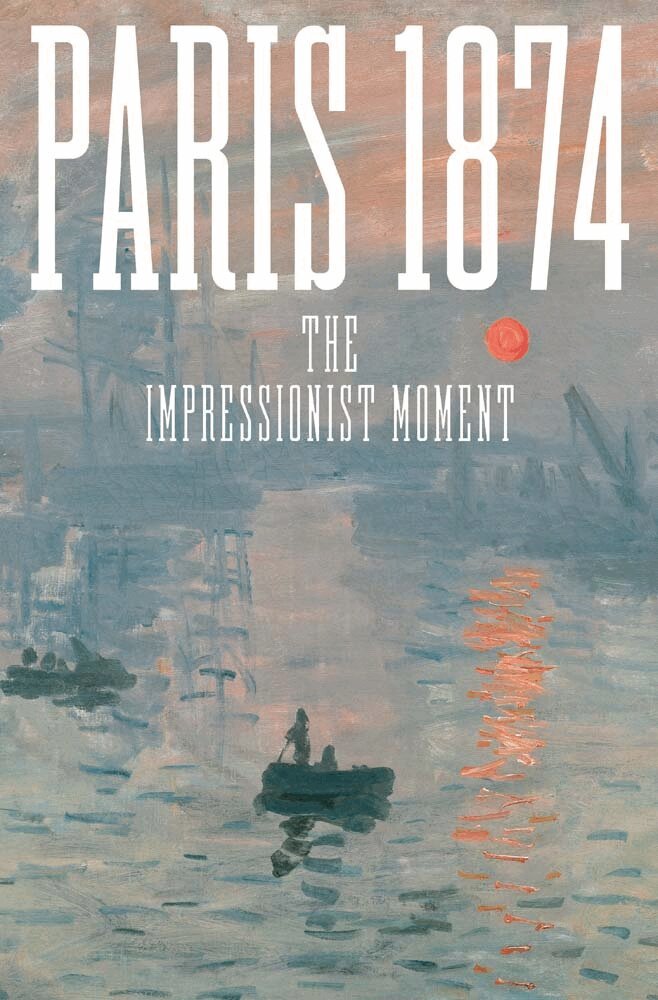
A wide-ranging exploration of the birth of impressionism centered around the landmark exhibition in Paris in 1874 “The catalogue, in unusual tall format, is particularly attractive and vivacious, full of fresh material and images, expanding the Impressionist cast of characters, exploring Paris as their tumultuous inspiration.”—Jackie Wullschläger, Financial Times, “Best Books of 2024: Art, Design and Fashion” Discover the origins of impressionism in this revelatory look at the context for the radical 1874 exhibition that is considered the birth of the French art movement. Featuring works by not only Cézanne, Degas, Monet, Morisot, Pissarro, Renoir, and Sisley, but also many other lesser-known participants and those who exhibited at the official Salon that year, this book explores how artists of the time responded to the shifting social and political currents during this singular moment in history, as well as the norms that these artists rebelled against in their new approach to art. This is a milestone reunion of many of the show’s artworks, which include paintings, works on paper, prints, and sculptures, that made the exhibition held by the société anonyme 150 years ago an event of international and lasting significance. Paris 1874 draws on new scholarship to offer a multidisciplinary approach to impressionism. It explores the important role played by the contemporary press and also contextualizes the movement in relation to the devastation of the Franco-Prussian War and the Commune, as well as the subsequent process of reconstruction. Above all, it challenges established narratives surrounding the origins of impressionism itself by reexamining its position within the larger artistic landscape, particularly in relation to the Salon—which exhibited works strikingly similar to those included in société anonyme’s exhibition. With an engaging design that uses motifs from archival materials to suggest the look of Parisian publications of the 1870s, this book is a handsome and compelling addition to our understanding of the dawn of impressionism and why it is considered a pivotal moment in the history of Western art. Distributed for the National Gallery of Art, Washington Exhibition Schedule:Musée d’Orsay, Paris(March 25–July 14, 2024)National Gallery of Art, Washington, DC(September 8, 2024–January 19, 2025)
207 kr
Tillfälligt slut
In 1999, Akseli Gallen-Kallela’s Lake Keitele (1905) became the first Finnish painting to enter the National Gallery and is now one of the most popular pictures in the collection. Although the artist and his work are relatively unknown to audiences outside of Finland, he was not only a leading figure in modern Finnish painting but an accomplished practitioner of the decorative arts and a key figure in the development of early twentieth-century Modernism.This book focuses on four versions of his shimmering depictions of Lake Keitele, north of Helsinki; a stylized lake composition which first appeared in the early 1880s, when the artist was still elaborating his own descriptive language, and continued to preoccupy him until well into the 1920s. Anne Robbins examines these abstract and modernist pictures in the light of the international avant gardes with which Gallen-Kallela was in contact for much of his career, and the ways in which his work expressed his fervent Finnish nationalism.Published by National Gallery Company/Distributed by Yale University PressExhibition Schedule:National Gallery, London(11/15/17–02/04/18)
177 kr
Skickas inom 7-10 vardagar
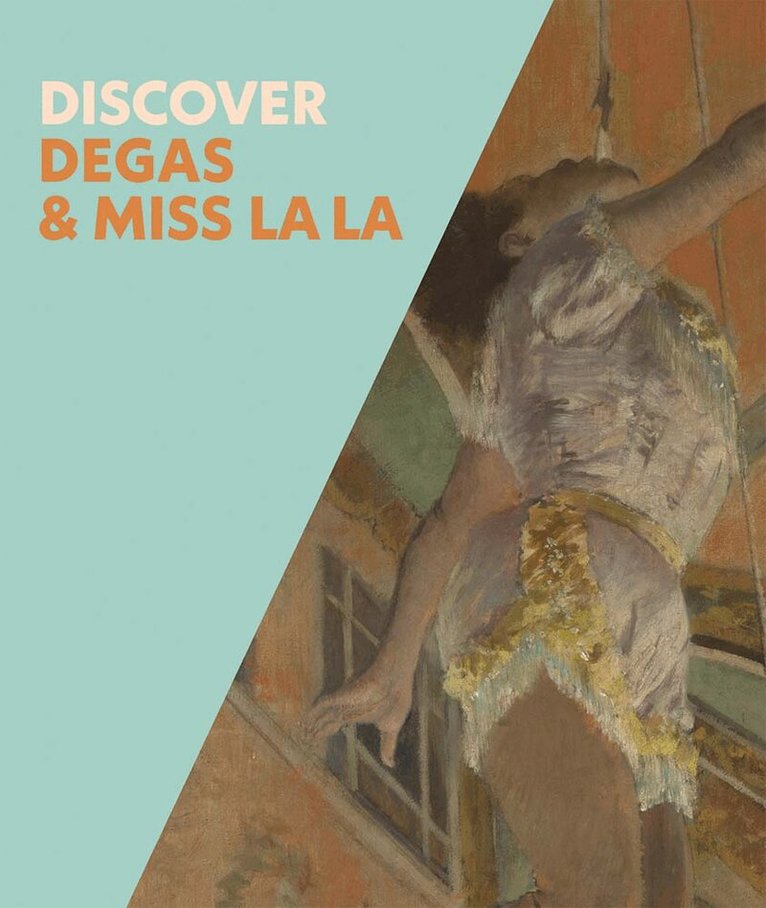
The extraordinary story behind Degas’s groundbreaking painting of the African-American circus performer Miss La La. Edgar Degas’s Miss La La at the Cirque Fernando (1879) is one of only two paintings by the artist representing people of colour. Miss La La, born Anna Albertine Olga Brown to a white Prussian mother and African-American father, was a renowned performer of extraordinary daring in fin-de-siècle Paris. Exploring the fascinating story behind Degas’s painting, this is the first in-depth study to focus on the sitter’s identity, presenting new research on her life and career, as well as unpublished photographic material tracing her tour across Europe. The book also analyses the genesis of Degas’s work, from his rapid sketches completed on the spot to his more elaborate preparatory drawings and pastels. The son of a Creole mother from New Orleans, Degas travelled to Louisiana in 1872–73, which was to have a lasting impact on his art. This book examines the artist’s complex attitudes to ethnicity in relation to his own family background, and the representation of multiracial people in late nineteenth-century France. Published by National Gallery Global/Distributed by Yale University Press