Annie Montgomery Labatt - Böcker
Visar alla böcker från författaren Annie Montgomery Labatt. Handla med fri frakt och snabb leverans.
4 produkter
4 produkter
Emerging Iconographies of Medieval Rome
A Laboratory of Images in the Eighth and Ninth Centuries
Inbunden, Engelska, 2019
1 520 kr
Skickas inom 10-15 vardagar
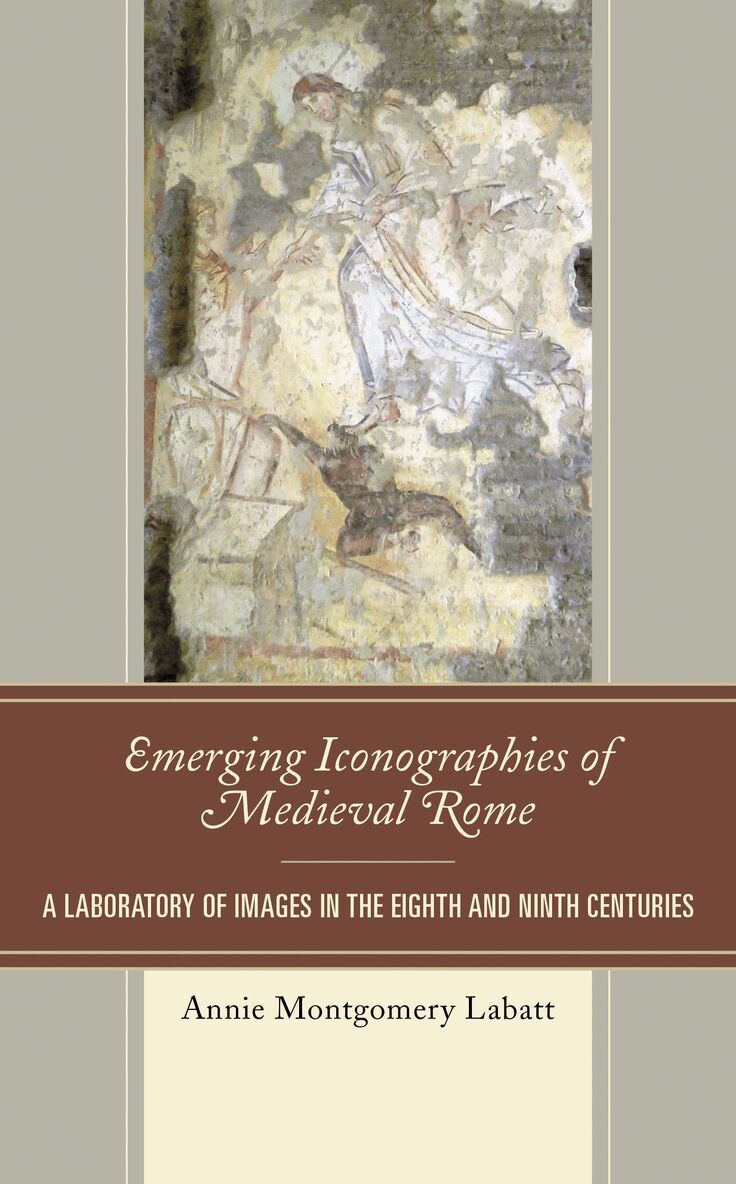
Emerging Iconographies of Medieval Rome examines the development of Christian iconographies that had not yet established themselves as canonical images, but which were being tried out in various ways in early Christian Rome. This book focuses on four different iconographical forms that appeared in Rome during the eighth and ninth centuries: the Anastasis, the Transfiguration, the Maria Regina, and the Sickness of Hezekiah—all of which were labeled “Byzantine” by major mid-twentieth century scholars. The trend has been to readily accede to the pronouncements of those prominent authors, subjugating these rich images to a grand narrative that privileges the East and turns Rome into an artistic backwater. In this study, Annie Montgomery Labatt reacts against traditional scholarship which presents Rome as merely an adjunct of the East. It studies medieval images with formal and stylistic analyses in combination with use of the writings of the patristics and early medieval thinkers. The experimentation and innovation in the Christian iconographies of Rome in the eighth and ninth centuries provides an affirmation of the artistic vibrancy of Rome in the period before a divided East and West. Labatt revisits and revives a lost and forgotten Rome—not as a peripheral adjunct of the East, but as a center of creativity and artistic innovation.
Emerging Iconographies of Medieval Rome
A Laboratory of Images in the Eighth and Ninth Centuries
Häftad, Engelska, 2021
544 kr
Skickas inom 10-15 vardagar
Emerging Iconographies of Medieval Rome examines the development of Christian iconographies that had not yet established themselves as canonical images, but which were being tried out in various ways in early Christian Rome. This book focuses on four different iconographical forms that appeared in Rome during the eighth and ninth centuries: the Anastasis, the Transfiguration, the Maria Regina, and the Sickness of Hezekiah—all of which were labeled “Byzantine” by major mid-twentieth century scholars. The trend has been to readily accede to the pronouncements of those prominent authors, subjugating these rich images to a grand narrative that privileges the East and turns Rome into an artistic backwater. In this study, Annie Montgomery Labatt reacts against traditional scholarship which presents Rome as merely an adjunct of the East. It studies medieval images with formal and stylistic analyses in combination with use of the writings of the patristics and early medieval thinkers. The experimentation and innovation in the Christian iconographies of Rome in the eighth and ninth centuries provides an affirmation of the artistic vibrancy of Rome in the period before a divided East and West. Labatt revisits and revives a lost and forgotten Rome—not as a peripheral adjunct of the East, but as a center of creativity and artistic innovation.
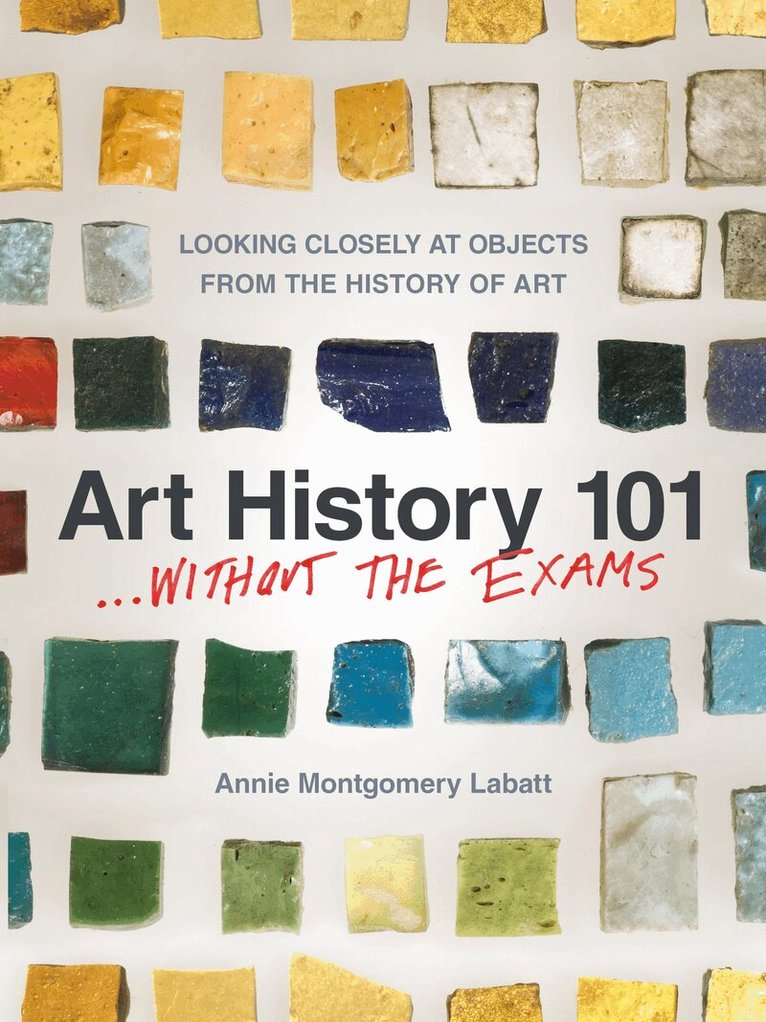
Art History 101... Without the Exams
Looking Closely at Objects from the History of Art
Häftad, Engelska, 2022
289 kr
Tillfälligt slut
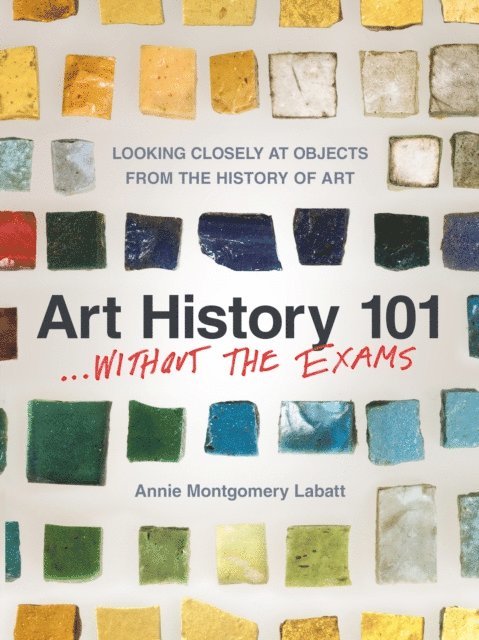
Why is something a masterpiece? Art History 101 . . . Without the Exams is about revisiting famous works of art that we may have studied in an art history class or seen in a textbook. Each discussion delves into one great masterpiece and asks the questions that help us understand how it has shaped history. What is the piece about? How did the original owner look at this piece? Where was it originally placed? Why is it in this museum now? How did it get famous? From the sixth-century mosaics of Ravenna and the painted bulls of Altamira, Spain, dated 12,500 BCE, to an incense burner from twelfth-century Seljuk Iran, frescoes from a Late Byzantine funerary chapel, and masterworks by Botticelli, Caravaggio, Monet, and Sargent, this book shows readers how to look closely. It welcomes us to the joy of art history—but without the papers, notes, and exams.
298 kr
Skickas inom 7-10 vardagar
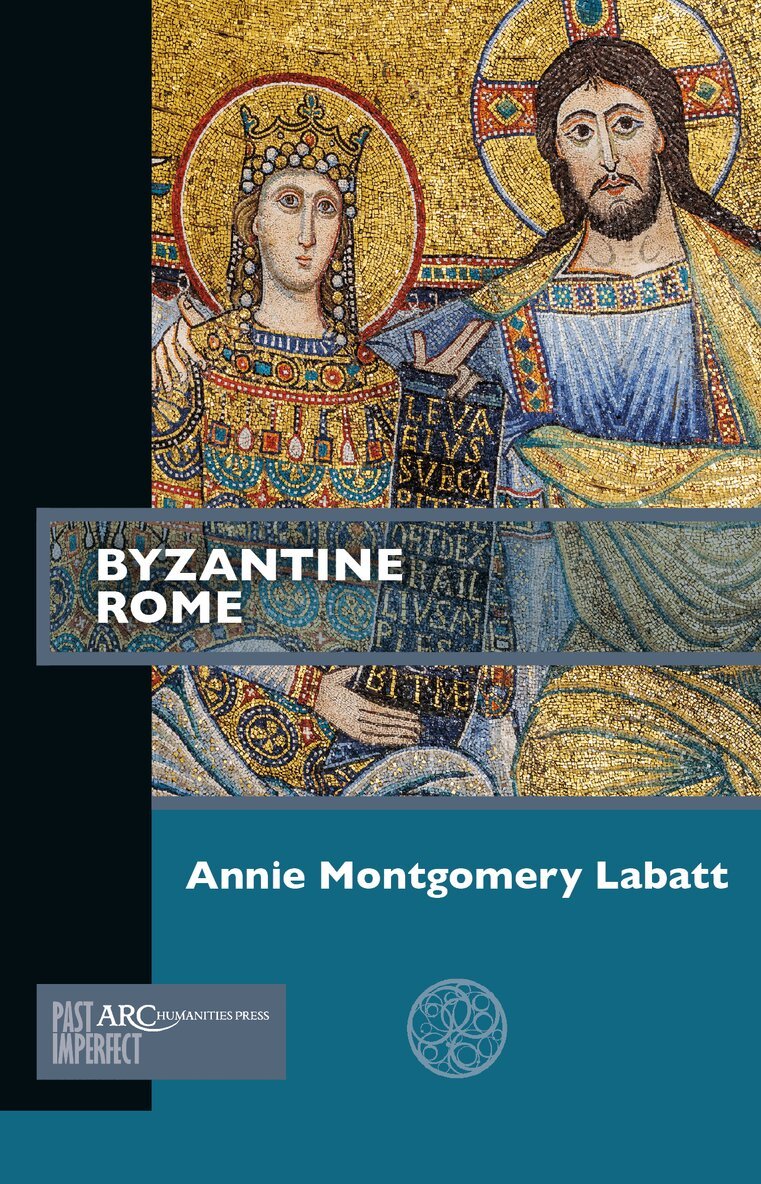
Why does medieval Rome look so, for lack of a better word, Byzantine? Why do its monuments speak an aesthetic of the medieval East? And just how do we quantify that Byzantine aesthetic or even the word “Byzantine”?This book seeks to consider the ways in which the artistic styles and iconographies generally associated with the eastern medieval tradition had a life in the West and, in many cases, were just as western as they were eastern. Rome’s medieval monuments are a fundamental part of the history of the East, a history that says more about a cross- cultural exchange and interconnected “Romes” than difference and separation.Each chapter follows the political and theological relationships between the East and the West chronologically, exploring the socio-political exchanges as they manifest in the visual language of the monuments that defined the medieval landscape of Rome.