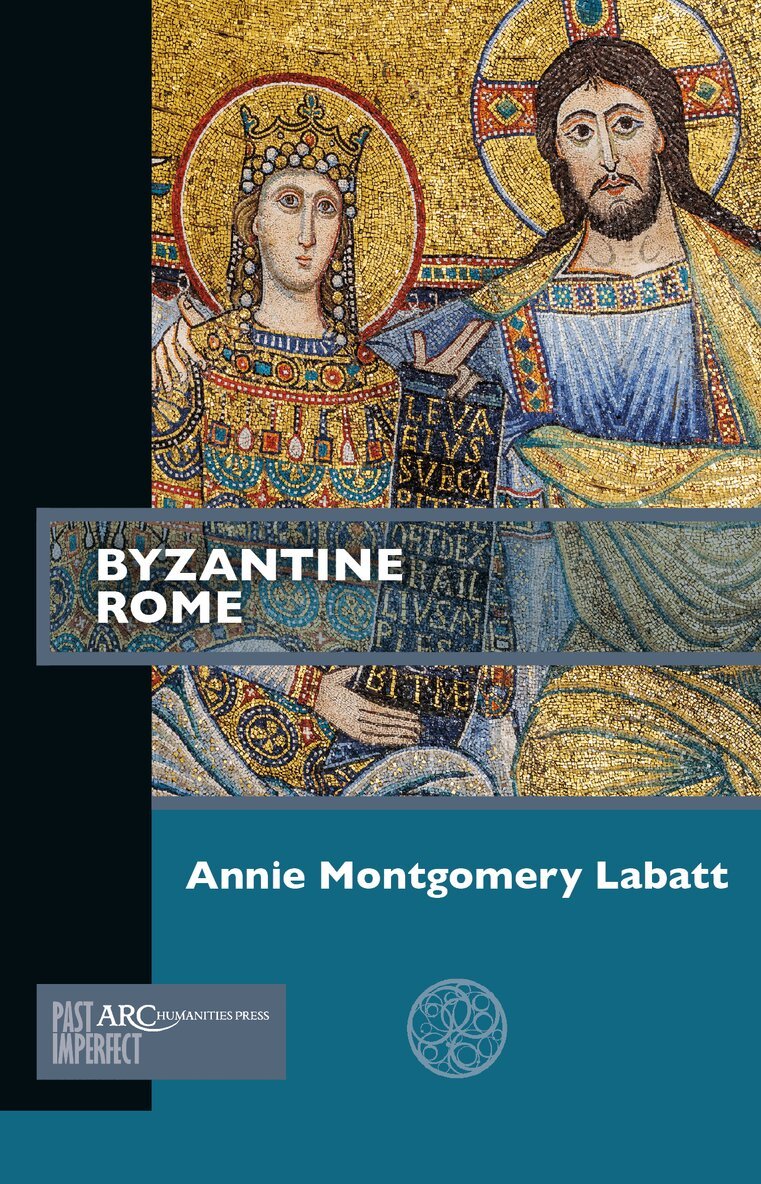
Häftad, Engelska, 2022
Byzantine Rome
Del i serien Past Imperfect
318 kr
Beställningsvara. Skickas inom 7-10 vardagar. Fri frakt över 249 kr.
Beskrivning
Produktinformation
- Utgivningsdatum: 2022-02-28
- Mått: 114 x 178 x 13 mm
- Vikt: 178 g
- Format: Häftad
- Språk: Engelska
- Serie: Past Imperfect
- Antal sidor: 212
- Förlag: Arc Humanities Press
- ISBN: 9781641890052
Utforska kategorier
Mer om författaren
Annie Labatt is Assistant Prof. of Medieval Art at the University of Texas, San Antonio. She has published numerous articles and the book, Art History 101...Without the Exams.
Recensioner i media
Der Autoringelingt zweifellos eine thesengeleitete, streitbar-deutliche und insgesamtnachvollziehbare Bewertung der Bilder im römischen Sakralraum der Spätantike und des beginnenden Mittelalters. Gerade die Beobachtung, dass eine Trennung der ikonographischen ‚Kulturen‘ erst nach dem Ende der mediterranen Einheit einsetzt und sich dann aber gerade in Übernahmen und Verflechtungen beobachten lässt, ist anregend. Der Weg dahin ist ein Panorama römischer Kirchen, das immer wieder schwungvoll zwischen Detailbeobachtungen und großer These wechselt. Die Zwischentöne, die dasbyzantinische Rom (oder wie soll man es jetzt nennen?) ebenso reizvollmachen, bleiben hin und wieder auf der Strecke. Für Diskussionen gerade auch über die Zeit nach dessen Ende wird das Buch anregend sein undbietet auch so einen Anlass für weiteren Austausch zwischen Kunsthistoriker:innen und Historiker:innen.
Betyg & recensioner
0 recensioner
Inga recensioner tillgängliga.