Anthony Simon Laden - Böcker
Visar alla böcker från författaren Anthony Simon Laden. Handla med fri frakt och snabb leverans.
6 produkter
6 produkter
442 kr
Skickas inom 5-8 vardagar
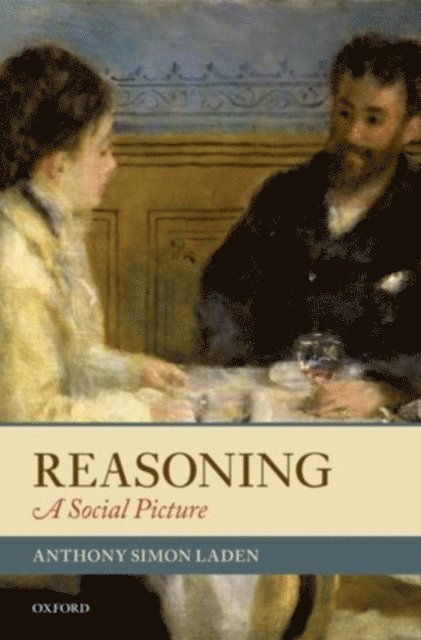
Thinking about reasoning suffers from a failure of vision. Philosophers, social scientists, and others who discuss and analyze reasoning have a particular activity in view: reasoning to figure things out, solve problems, and reach judgments. But there is a different activity we engage in that we call reasoning. We reason in the course of living together, when we are responsive to those with whom we live and neither commanding nor deferring to them, neither manipulating nor ignoring them. Analysis of this second kind of activity has relied on the tools and frameworks developed to make sense of the first kind of activity. In this book, Anthony Simon Laden invites his readers to approach this activity of reasoning on its own terms. He claims that if we are to truly see and appreciate the role and value of reasoning in living together, we need a new, social picture of the activity of reasoning. According to the social picture of reasoning developed here, reasoning is a species of conversation, and like casual conversation is social and ongoing. It is neither defined nor determined by its end, although it is governed by a set of characteristic norms. It consists of inviting others to accept that our words can speak for them as well. Reasoning: A Social Picture proposes an attractive new approach to thinking about how to live together, reasonably.
869 kr
Skickas inom 5-8 vardagar
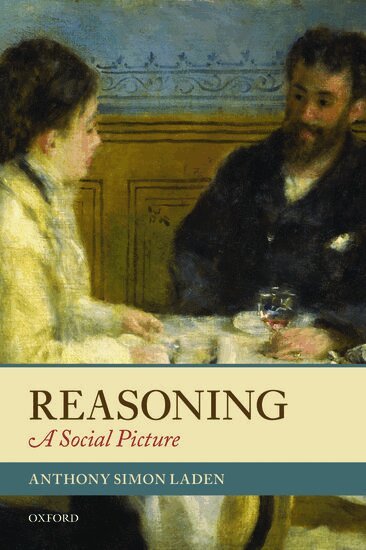
Thinking about reasoning suffers from a failure of vision. Philosophers, social scientists, and others who discuss and analyze reasoning have a particular activity in view: reasoning to figure things out, solve problems, and reach judgments. But there is a different activity we engage in that we call reasoning. We reason in the course of living together, when we are responsive to those with whom we live and neither commanding nor deferring to them, neither manipulating nor ignoring them. Analysis of this second kind of activity has relied on the tools and frameworks developed to make sense of the first kind of activity. In this book, Anthony Simon Laden invites his readers to approach this activity of reasoning on its own terms. He claims that if we are to truly see and appreciate the role and value of reasoning in living together, we need a new, social picture of the activity of reasoning. According to the social picture of reasoning developed here, reasoning is a species of conversation, and like casual conversation is social and ongoing. It is neither defined nor determined by its end, although it is governed by a set of characteristic norms. It consists of inviting others to accept that our words can speak for them as well. Reasoning: A Social Picture proposes an attractive new approach to thinking about how to live together, reasonably.
901 kr
Skickas inom 7-10 vardagar
An eye-opening look at how parents’ mistrust of colleges has less to do with what their kids are learning than with whom they come to trust. Higher education is a familiar battlefield in today’s culture wars. The right accuses colleges and universities of indoctrinating conservative students with liberal values; the left, with failing to be sufficiently inclusive. The anxieties expressed on both sides of the political spectrum have much in common, however, and they are triggered not by colleges’ failures but by their successes.So argues philosopher Anthony Simon Laden in Networks of Trust. He highlights how a college education shapes students’ informational trust networks: the complex set of people and institutions they rely on for the information they use to think about and understand the world. While the networks that colleges build for students have great value, learning to inhabit them pulls some students away from their families and communities. If many people distrust institutions of higher education, this is one reason why. Networks of Trust offers a path forward, one that preserves the value while reducing the harms of a college education. It includes concrete suggestions for how colleges and universities can educate students in a manner that inspires and deserves trust: one that bridges rather than deepens our social divides.
162 kr
Skickas inom 7-10 vardagar
An eye-opening look at how parents’ mistrust of colleges has less to do with what their kids are learning than with whom they come to trust. Higher education is a familiar battlefield in today’s culture wars. The right accuses colleges and universities of indoctrinating conservative students with liberal values; the left, with failing to be sufficiently inclusive. The anxieties expressed on both sides of the political spectrum have much in common, however, and they are triggered not by colleges’ failures but by their successes.So argues philosopher Anthony Simon Laden in Networks of Trust. He highlights how a college education shapes students’ informational trust networks: the complex set of people and institutions they rely on for the information they use to think about and understand the world. While the networks that colleges build for students have great value, learning to inhabit them pulls some students away from their families and communities. If many people distrust institutions of higher education, this is one reason why. Networks of Trust offers a path forward, one that preserves the value while reducing the harms of a college education. It includes concrete suggestions for how colleges and universities can educate students in a manner that inspires and deserves trust: one that bridges rather than deepens our social divides.
410 kr
Skickas inom 7-10 vardagar
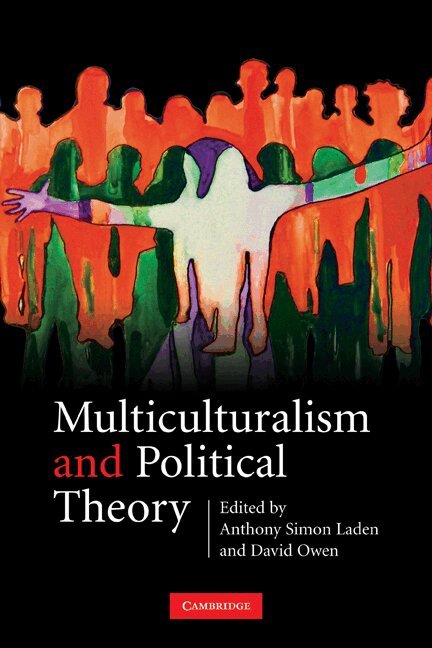
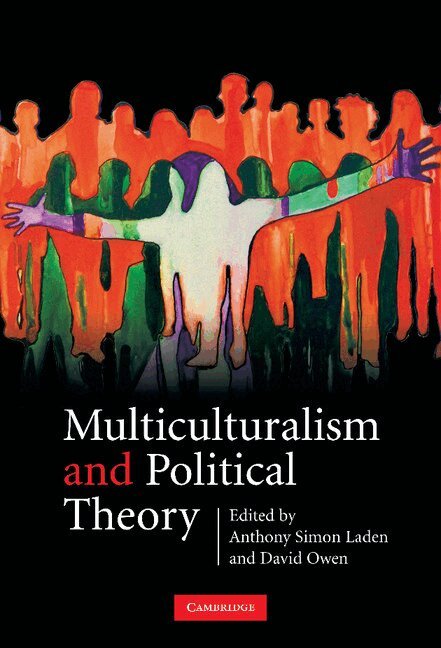
Over the past twenty-five years debate surrounding cultural diversity has become one of the most active areas of contemporary political theory and philosophy. The impact of taking cultural diversity seriously in modern political societies has led to challenges to the dominance of liberal theory and to a more serious engagement of political theory with actual political struggles. This 2007 volume of essays by leading political theorists reviews the development of multiculturalism, surveys the major approaches, addresses the critical questions posed and highlights directions in research. Multiculturalism and Political Theory provides an overview for both students and researchers.
1 166 kr
Skickas inom 7-10 vardagar
Over the past twenty-five years debate surrounding cultural diversity has become one of the most active areas of contemporary political theory and philosophy. The impact of taking cultural diversity seriously in modern political societies has led to challenges to the dominance of liberal theory and to a more serious engagement of political theory with actual political struggles. This 2007 volume of essays by leading political theorists reviews the development of multiculturalism, surveys the major approaches, addresses the critical questions posed and highlights directions in research. Multiculturalism and Political Theory provides an overview for both students and researchers.