Antonia Finnane – författare
Visar alla böcker från författaren Antonia Finnane. Handla med fri frakt och snabb leverans.
7 produkter
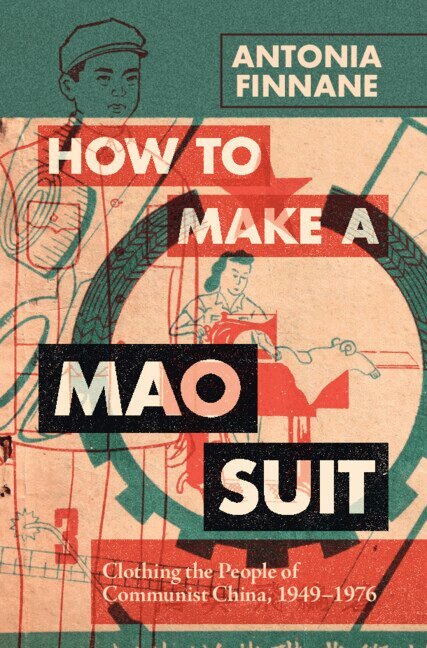
How to Make a Mao Suit
Clothing the People of Communist China, 1949-1976
Inbunden, 2023
1559 kr
Lägg i varukorg
When the People's Republic of China was founded in 1949, new clothing protocols for state employees resulted in far-reaching changes in what people wore. In a pioneering history of dress in the Mao years (1949-1976), Antonia Finnane traces the transformation, using industry archives and personal …
How to Make a Mao Suit
Clothing the People of Communist China, 1949–1976
E-bok, 2023
439 kr
Lägg i varukorg
When the People''s Republic of China was founded in 1949, new clothing protocols for state employees resulted in far-reaching changes in what people wore. In a pioneering history of dress in the Mao years (1949–1976), Antonia Finnane traces the transformation, using industry archives and personal …
How to Make a Mao Suit
Clothing the People of Communist China, 1949–1976
E-bok, 2023
454 kr
Lägg i varukorg
When the People''s Republic of China was founded in 1949, new clothing protocols for state employees resulted in far-reaching changes in what people wore. In a pioneering history of dress in the Mao years (1949–1976), Antonia Finnane traces the transformation, using industry archives and personal …
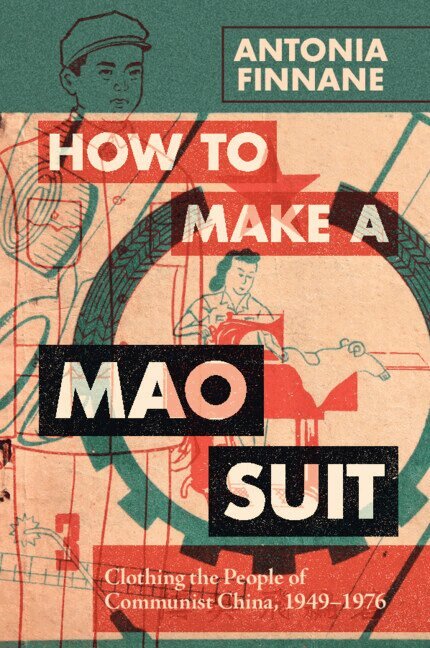
How to Make a Mao Suit
Clothing the People of Communist China, 1949-1976
Häftad, 2023
579 kr
Lägg i varukorg
When the People's Republic of China was founded in 1949, new clothing protocols for state employees resulted in far-reaching changes in what people wore. In a pioneering history of dress in the Mao years (1949-1976), Antonia Finnane traces the transformation, using industry archives and personal …
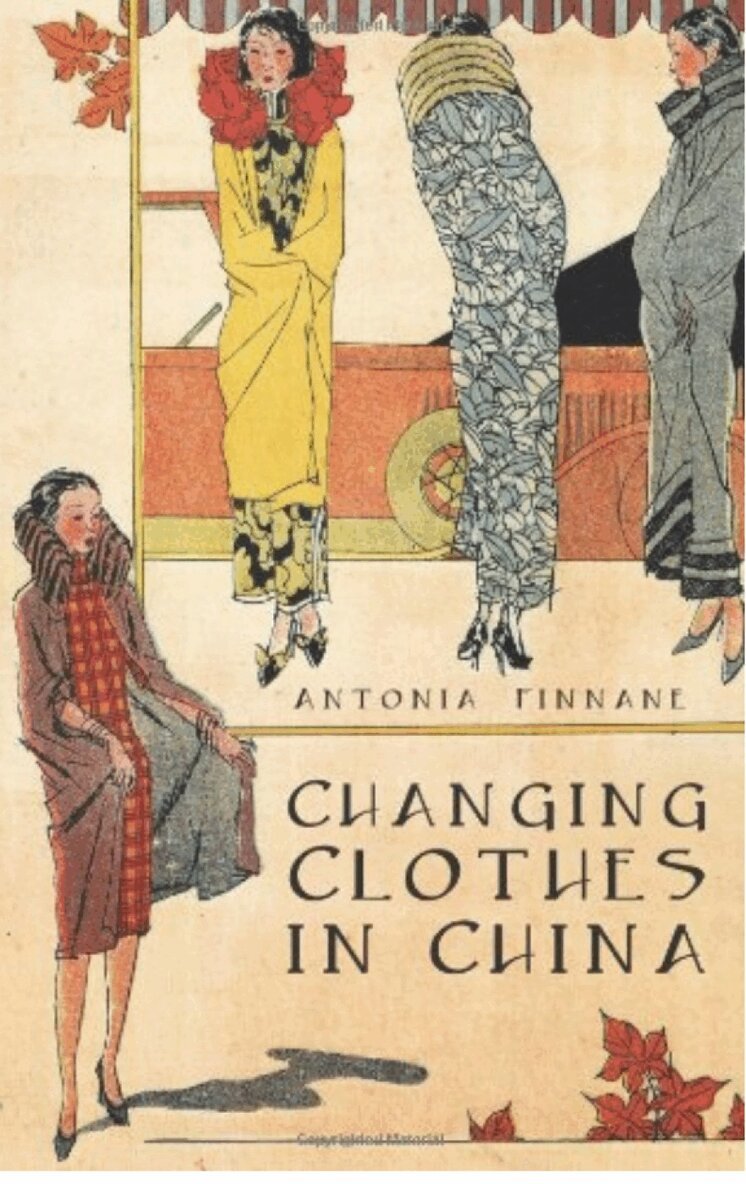
Changing Clothes in China
Fashion, History, Nation
Häftad, 2023
239 kr
Lägg i varukorg
Historians have long regarded fashion as something peculiarly Western. In this surprising, sumptuously illustrated book, Antonia Finnane challenges this view, which she argues is based on nineteenth- and twentieth-century representations of Chinese dress as traditional and unchanging. Fashions, she …
Changing Clothes in China
Fashion, History, Nation
E-bok, 2023
250 kr
Lägg i varukorg
Historians have long regarded fashion as something peculiarly Western. In this surprising, sumptuously illustrated book, Antonia Finnane challenges this view, which she argues is based on nineteenth- and twentieth-century representations of Chinese dress as traditional and unchanging. Fashions, she …
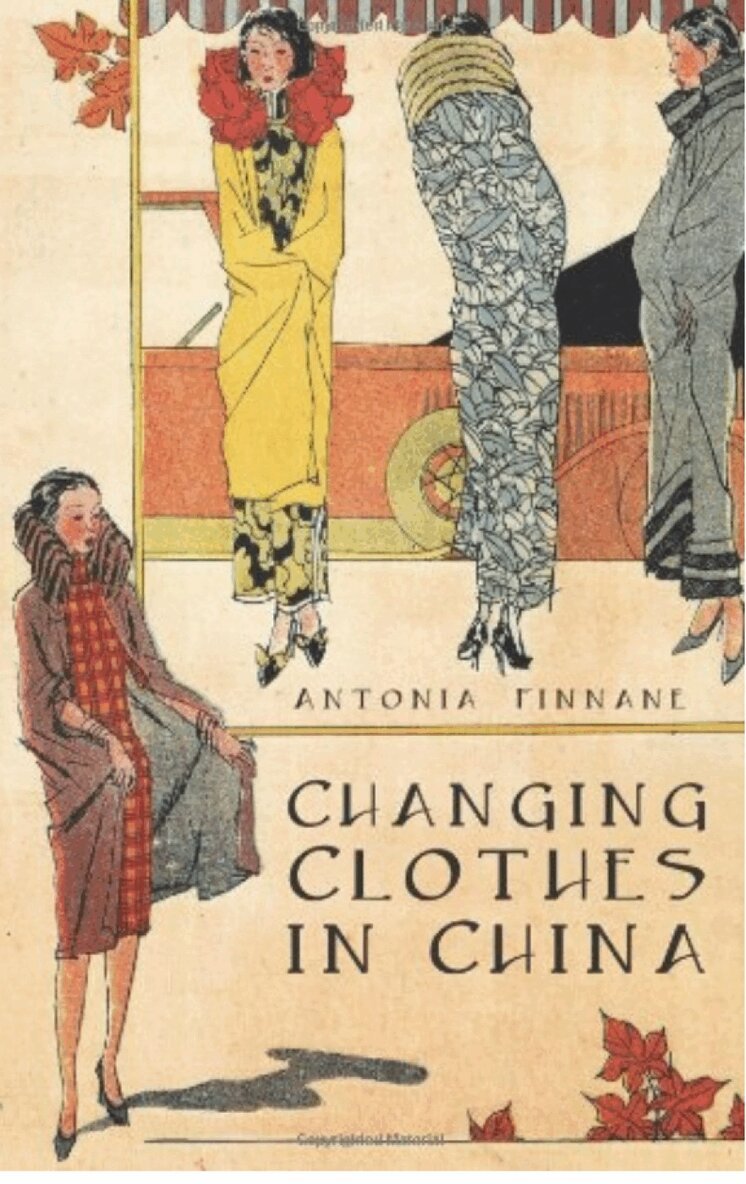
Changing Clothes in China
Fashion, History, Nation
Inbunden, 2008
485 kr
Lägg i varukorg
Historians have long regarded fashion as something peculiarly Western. In this surprising, sumptuously illustrated book, Antonia Finnane challenges this view, which she argues is based on nineteenth- and twentieth-century representations of Chinese dress as traditional and unchanging. Fashions, she …