Antonia Szabari - Böcker
Visar alla böcker från författaren Antonia Szabari. Handla med fri frakt och snabb leverans.
5 produkter
5 produkter
990 kr
Skickas inom 10-15 vardagar
Well-known scholars and poets living in sixteenth-century France, including Erasmus, Ronsard, Calvin, and Rabelais, promoted elite satire that "corrected vices" but "spared the person"—yet this period, torn apart by religious differences, also saw the rise of a much cruder, personal satire that aimed at converting readers to its ideological, religious, and, increasingly, political ideas. By focusing on popular pamphlets along with more canonical works, Less Rightly Said shows that the satirists did not simply renounce the moral ideal of elite, humanist scholarship but rather transmitted and manipulated that scholarship according to their ideological needs. Szabari identifies the emergence of a political genre that provides us with a more thorough understanding of the culture of printing and reading, of the political function of invectives, and of the general role of dissensus in early modern French society.
415 kr
Skickas inom 7-10 vardagar
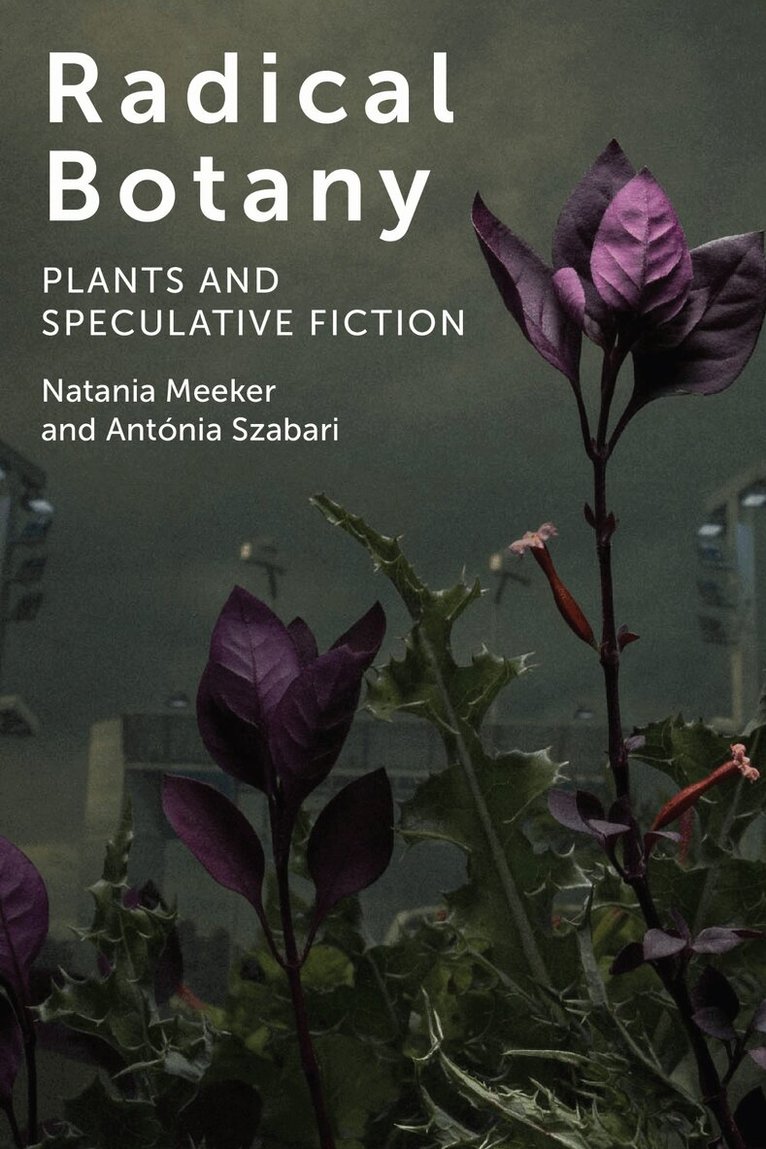
Winner, 2019 Science Fiction & Technoculture Studies Book PrizeRadical Botany excavates a tradition in which plants participate in the effort to imagine new worlds and envision new futures. Modernity, the book claims, is defined by the idea of all life as vegetal. Meeker and Szabari argue that the recognition of plants' liveliness and animation, as a result of scientific discoveries from the seventeenth century to today, has mobilized speculative creation in fiction, cinema, and art. Plants complement and challenge notions of human life. Radical Botany traces the implications of the speculative mobilization of plants for feminism, queer studies, and posthumanist thought. If, as Michael Foucault has argued, the notion of the human was born at a particular historical moment and is now nearing its end, Radical Botany reveals that this origin and endpoint are deeply informed by vegetality as a form of pre- and posthuman subjectivity. The trajectory of speculative fiction which this book traces offers insights into the human relationship to animate matter and the technological mediations through which we enter into contact with the material world. Plants profoundly shape human experience, from early modern absolutist societies to late capitalism's manipulations of life and the onset of climate change and attendant mass extinction.A major intervention in critical plant studies, Radical Botany reveals the centuries-long history by which science and the arts have combined to posit plants as the model for all animate life and thereby envision a different future for the cosmos.
1 477 kr
Skickas inom 10-15 vardagar
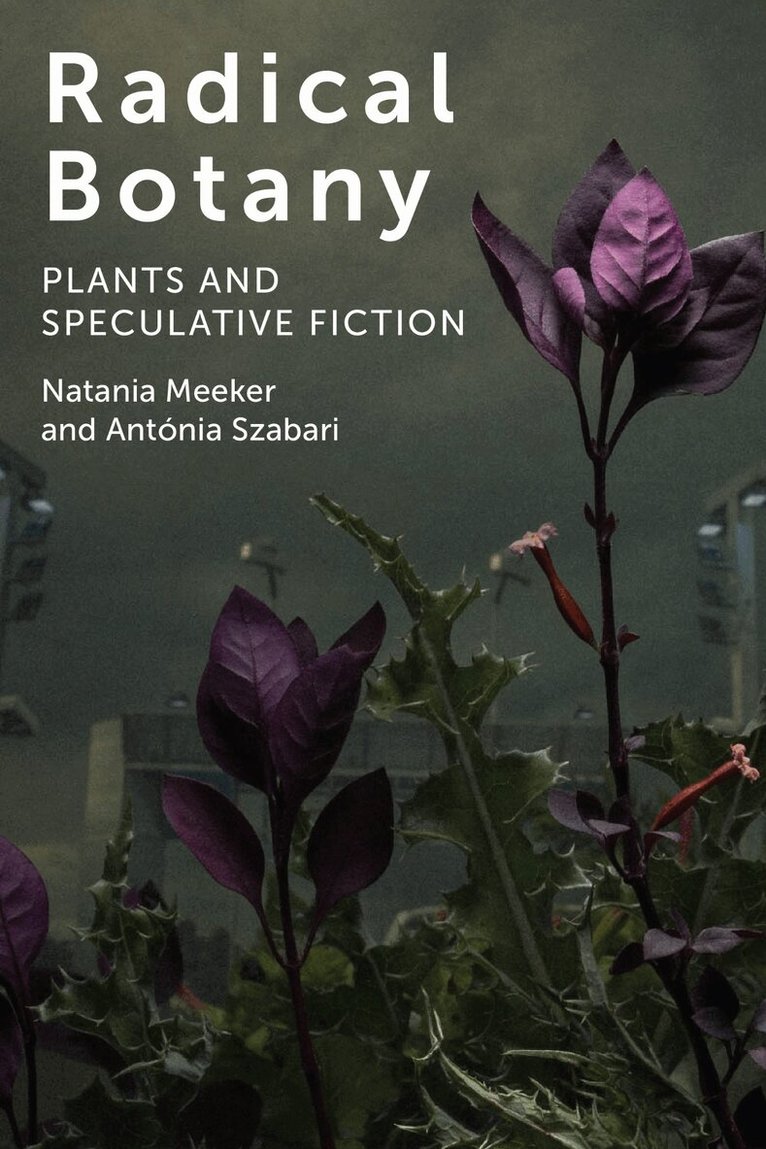
Winner, 2019 Science Fiction & Technoculture Studies Book PrizeRadical Botany excavates a tradition in which plants participate in the effort to imagine new worlds and envision new futures. Modernity, the book claims, is defined by the idea of all life as vegetal. Meeker and Szabari argue that the recognition of plants' liveliness and animation, as a result of scientific discoveries from the seventeenth century to today, has mobilized speculative creation in fiction, cinema, and art. Plants complement and challenge notions of human life. Radical Botany traces the implications of the speculative mobilization of plants for feminism, queer studies, and posthumanist thought. If, as Michael Foucault has argued, the notion of the human was born at a particular historical moment and is now nearing its end, Radical Botany reveals that this origin and endpoint are deeply informed by vegetality as a form of pre- and posthuman subjectivity. The trajectory of speculative fiction which this book traces offers insights into the human relationship to animate matter and the technological mediations through which we enter into contact with the material world. Plants profoundly shape human experience, from early modern absolutist societies to late capitalism's manipulations of life and the onset of climate change and attendant mass extinction.A major intervention in critical plant studies, Radical Botany reveals the centuries-long history by which science and the arts have combined to posit plants as the model for all animate life and thereby envision a different future for the cosmos.
1 538 kr
Skickas inom 10-15 vardagar
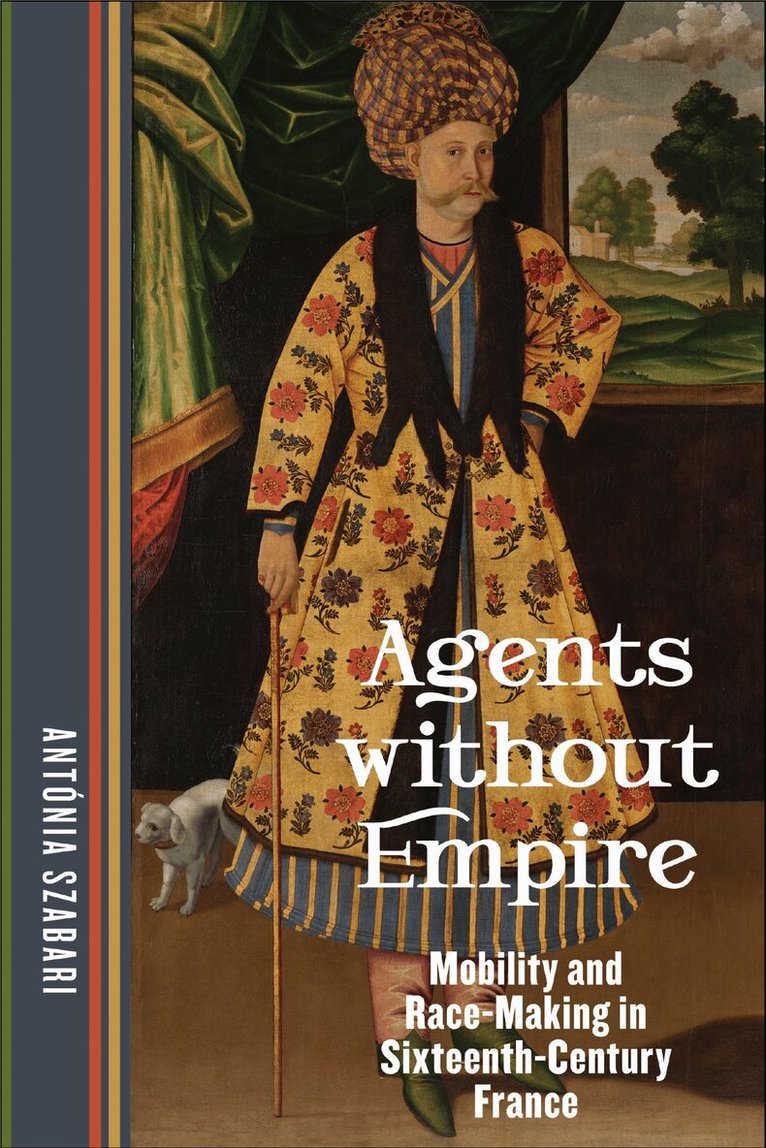
It is well known that Renaissance culture gave an empowering role to the individual and thereby to agency. But how does race factor into this culture of empowerment? Canonical French authors like Rabelais and Montaigne have been celebrated for their flexible worldviews and interest in the difference of non-French cultures both inside and outside of Europe. As a result, this period in French cultural history has come to be valued as an exceptional era of cultural opening toward others. Agents without Empire shows that such a celebration is, at the very least, problematic. Szabari argues that before the rise of the French colonial empire, medieval categories of race based on the redemption story were recast through accounts of the Ottoman Empire that were made accessible, in a sudden and unprecedented manner, to agents of the French crown. Spying performed by Frenchmen in the Ottoman Empire in the sixteenth century permeated French culture in large part because those who spied also worked as knowledge producers, propagandists, and artists. The practice changed what it meant to be cultured and elite by creating new avenues of race- and gender-specific consumption for French and European men that affected all areas of sophisticated culture including literature, politics, prints, dressing, personal hygiene, and leisure.Agents without Empire explores race making in this period of European history in the context of diplomatic reposts, travel accounts, natural history, propaganda, religious literature, poetry, theater, fiction, and cheap print. It intervenes in conversations in whiteness studies, race theory, theories of agency and matter, and the history of diplomacy and spying to offer a new account of race making in early modern Europe.
415 kr
Skickas inom 7-10 vardagar
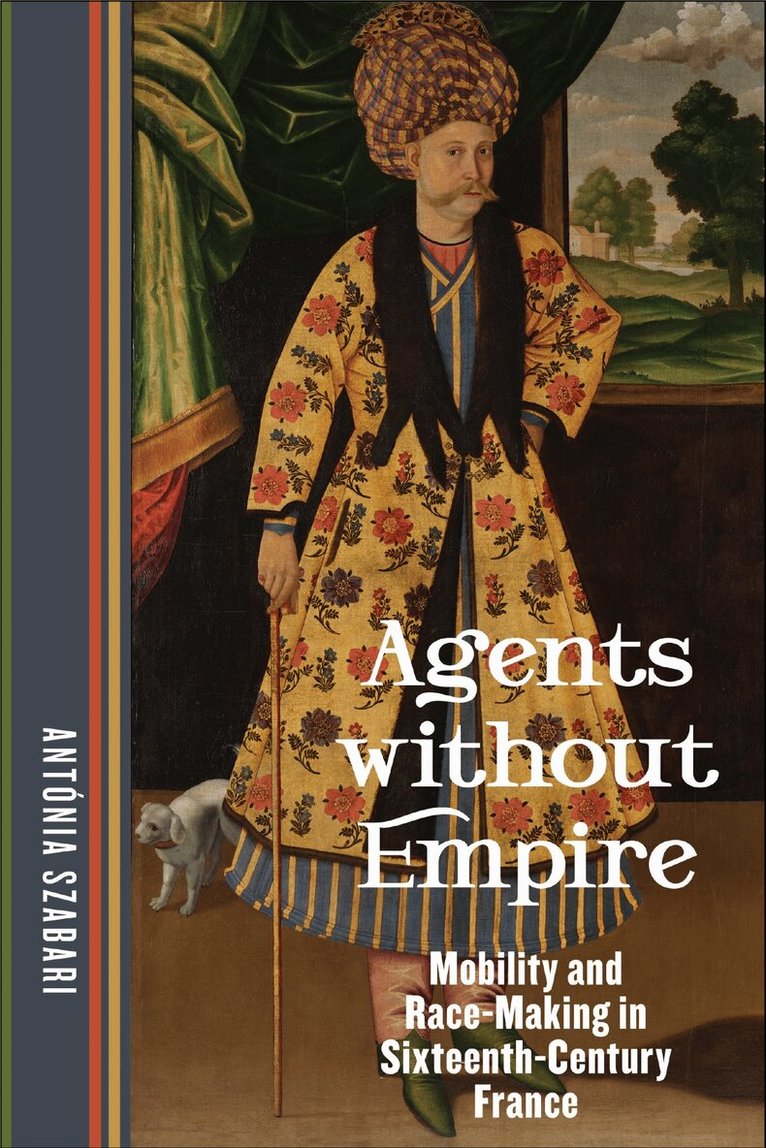
It is well known that Renaissance culture gave an empowering role to the individual and thereby to agency. But how does race factor into this culture of empowerment? Canonical French authors like Rabelais and Montaigne have been celebrated for their flexible worldviews and interest in the difference of non-French cultures both inside and outside of Europe. As a result, this period in French cultural history has come to be valued as an exceptional era of cultural opening toward others. Agents without Empire shows that such a celebration is, at the very least, problematic. Szabari argues that before the rise of the French colonial empire, medieval categories of race based on the redemption story were recast through accounts of the Ottoman Empire that were made accessible, in a sudden and unprecedented manner, to agents of the French crown. Spying performed by Frenchmen in the Ottoman Empire in the sixteenth century permeated French culture in large part because those who spied also worked as knowledge producers, propagandists, and artists. The practice changed what it meant to be cultured and elite by creating new avenues of race- and gender-specific consumption for French and European men that affected all areas of sophisticated culture including literature, politics, prints, dressing, personal hygiene, and leisure.Agents without Empire explores race making in this period of European history in the context of diplomatic reposts, travel accounts, natural history, propaganda, religious literature, poetry, theater, fiction, and cheap print. It intervenes in conversations in whiteness studies, race theory, theories of agency and matter, and the history of diplomacy and spying to offer a new account of race making in early modern Europe.