Natania Meeker - Böcker
Visar alla böcker från författaren Natania Meeker. Handla med fri frakt och snabb leverans.
6 produkter
6 produkter
Women Imagine Change
A Global Anthology of Women's Resistance from 600 B.C.E. to Present
Inbunden, Engelska, 1997
2 171 kr
Skickas inom 10-15 vardagar
This global, multicultural anthology shows how women from some thirty countries, across twenty-six centuries, have found ways to resist oppression and gain power over their lives. Organized around themes of concern to contemporary readers, Women Imagine Change explores: relationships between women's sexuality and spirituality; women's interlinked struggles to control their labor and education; their work reshaping representations of gender; and their varied translations of knowledge into power. Extensive introductions combine a broad theoretical perspective on gender and resistance with vivid biographical context.Not only do the writings show women's resistance from an historical perspective; they also offer crucial insight into questions women are posing today about the relationships between their own power, the power of the various groups to which they belong, and the larger systems of power they confront in the world around them.
Women Imagine Change
A Global Anthology of Women's Resistance from 600 B.C.E. to Present
Häftad, Engelska, 1997
1 035 kr
Skickas inom 10-15 vardagar
This global, multicultural anthology shows how women from some thirty countries, across twenty-six centuries, have found ways to resist oppression and gain power over their lives. Organized around themes of concern to contemporary readers, Women Imagine Change explores: relationships between women's sexuality and spirituality; women's interlinked struggles to control their labor and education; their work reshaping representations of gender; and their varied translations of knowledge into power. Extensive introductions combine a broad theoretical perspective on gender and resistance with vivid biographical context.Not only do the writings show women's resistance from an historical perspective; they also offer crucial insight into questions women are posing today about the relationships between their own power, the power of the various groups to which they belong, and the larger systems of power they confront in the world around them.
415 kr
Skickas inom 7-10 vardagar
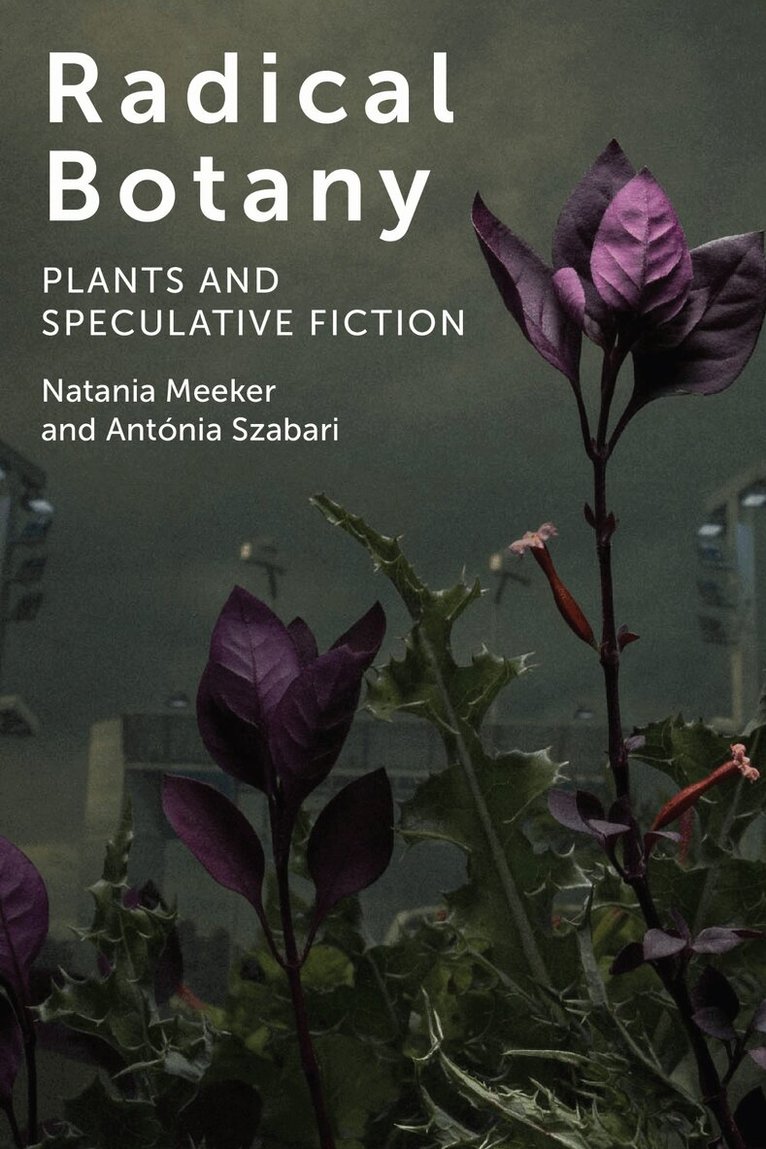
Winner, 2019 Science Fiction & Technoculture Studies Book PrizeRadical Botany excavates a tradition in which plants participate in the effort to imagine new worlds and envision new futures. Modernity, the book claims, is defined by the idea of all life as vegetal. Meeker and Szabari argue that the recognition of plants' liveliness and animation, as a result of scientific discoveries from the seventeenth century to today, has mobilized speculative creation in fiction, cinema, and art. Plants complement and challenge notions of human life. Radical Botany traces the implications of the speculative mobilization of plants for feminism, queer studies, and posthumanist thought. If, as Michael Foucault has argued, the notion of the human was born at a particular historical moment and is now nearing its end, Radical Botany reveals that this origin and endpoint are deeply informed by vegetality as a form of pre- and posthuman subjectivity. The trajectory of speculative fiction which this book traces offers insights into the human relationship to animate matter and the technological mediations through which we enter into contact with the material world. Plants profoundly shape human experience, from early modern absolutist societies to late capitalism's manipulations of life and the onset of climate change and attendant mass extinction.A major intervention in critical plant studies, Radical Botany reveals the centuries-long history by which science and the arts have combined to posit plants as the model for all animate life and thereby envision a different future for the cosmos.
1 477 kr
Skickas inom 10-15 vardagar
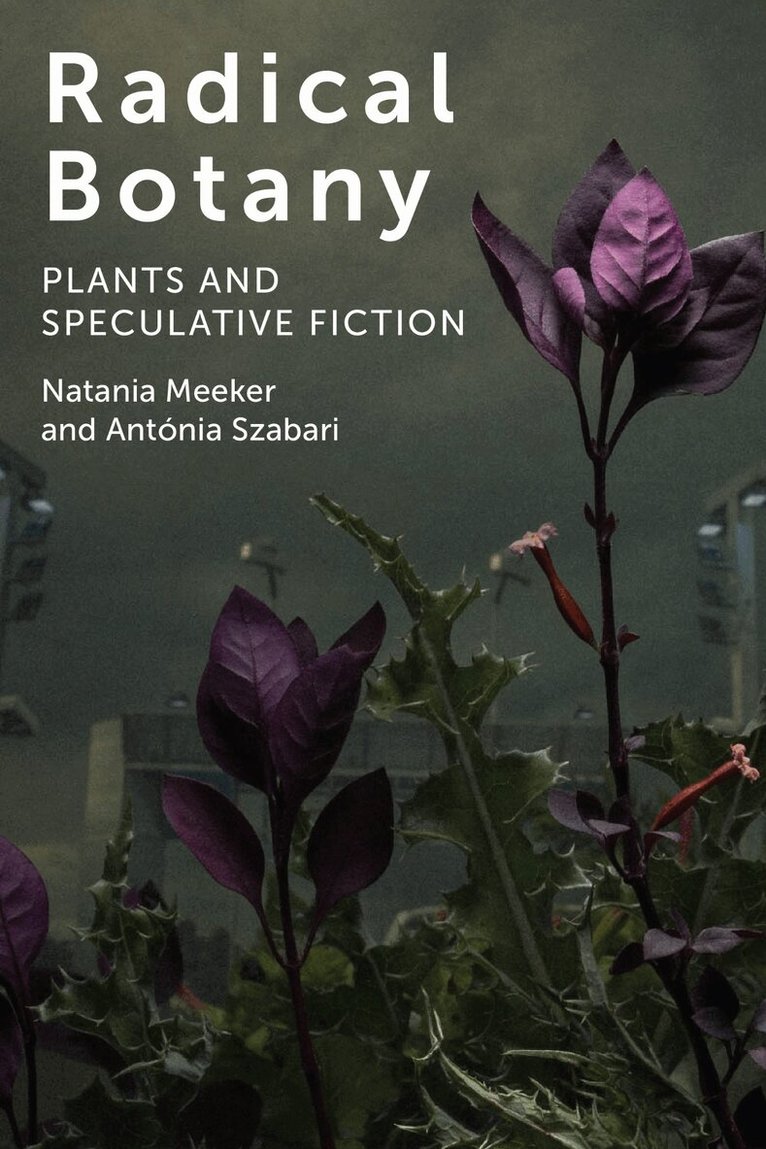
Winner, 2019 Science Fiction & Technoculture Studies Book PrizeRadical Botany excavates a tradition in which plants participate in the effort to imagine new worlds and envision new futures. Modernity, the book claims, is defined by the idea of all life as vegetal. Meeker and Szabari argue that the recognition of plants' liveliness and animation, as a result of scientific discoveries from the seventeenth century to today, has mobilized speculative creation in fiction, cinema, and art. Plants complement and challenge notions of human life. Radical Botany traces the implications of the speculative mobilization of plants for feminism, queer studies, and posthumanist thought. If, as Michael Foucault has argued, the notion of the human was born at a particular historical moment and is now nearing its end, Radical Botany reveals that this origin and endpoint are deeply informed by vegetality as a form of pre- and posthuman subjectivity. The trajectory of speculative fiction which this book traces offers insights into the human relationship to animate matter and the technological mediations through which we enter into contact with the material world. Plants profoundly shape human experience, from early modern absolutist societies to late capitalism's manipulations of life and the onset of climate change and attendant mass extinction.A major intervention in critical plant studies, Radical Botany reveals the centuries-long history by which science and the arts have combined to posit plants as the model for all animate life and thereby envision a different future for the cosmos.
Illusive Materialisms
The Pleasures of Femininity in Eighteenth-Century France
Inbunden, Engelska, 2026
1 538 kr
Skickas inom 10-15 vardagar
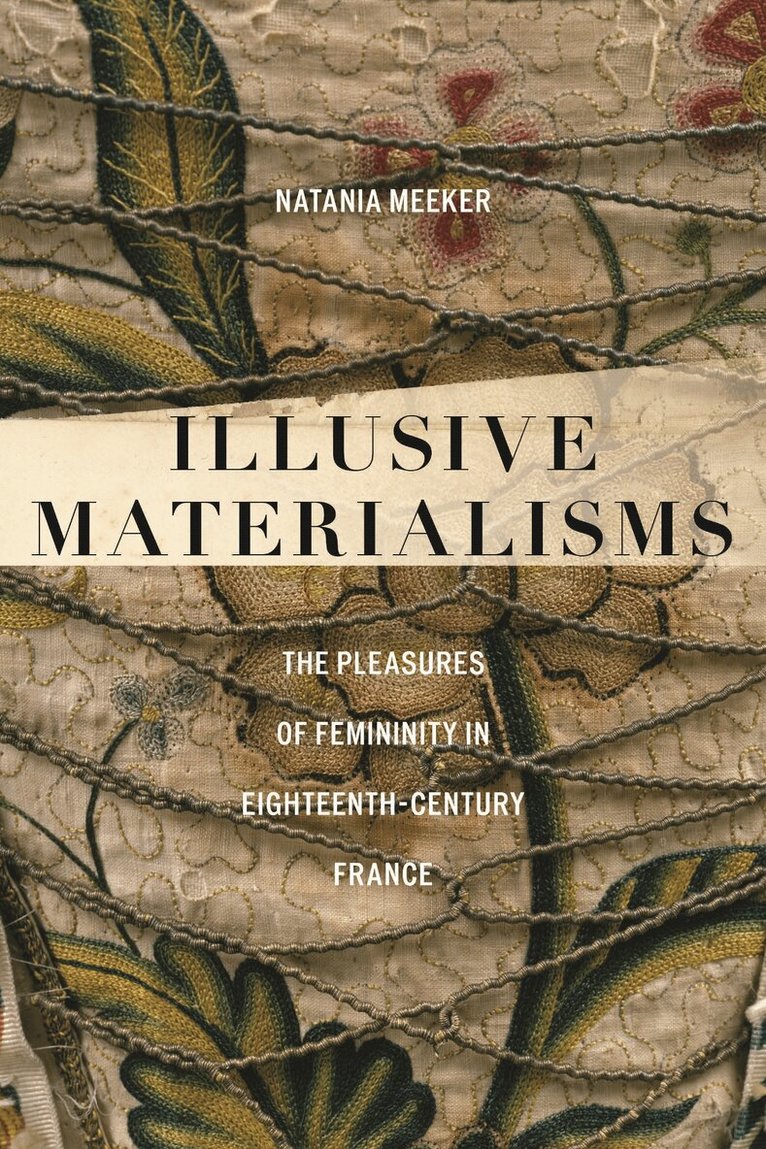
Illusive Materialisms brings a close attention to gender to bear on the philosophical and political argument that sensual pleasure, framed as a mode of feminine responsiveness, is the primary business of enlightenment. Ultimately, the book argues on behalf of a history of feminine speculation that resonates with contemporary feminist and queer efforts to recenter pleasure and its generative illusions in the necessary work of critique. Through its analysis of a materialism that is often hiding in plain sight, Illusive Materialisms explores different ways to cultivate delight in a world in ruin.While most studies of materialism during the French Enlightenment focus on works by men, Illusive Materialisms foregrounds responses by women to the materialist currents that cut across the eighteenth-century canon and that aim to recast femininity as the privileged condition of the modern, enlightened subject. For the women writers examined here, femininity is both a form that is embodied and an art that is practiced, often with transformative effects.Illusive Materialisms illuminates the crucial role played by femininity in a long history of materialist philosophy. At the same time, it uncovers a specifically feminine engagement with the materialist thought and practice of eighteenth-century France. The book shows how three women authors (Madeleine de Puisieux, Émilie Du Châtelet, and Françoise de Graffigny) rework, revise, and reuse materialist texts and ideas in order to craft an ethic of pleasure whose effects traverse their writing and their life. At the same time, it demonstrates that feminine forms, images, and persons lie at the heart of a tradition of materialist thought stretching from antiquity into the present day.
399 kr
Skickas
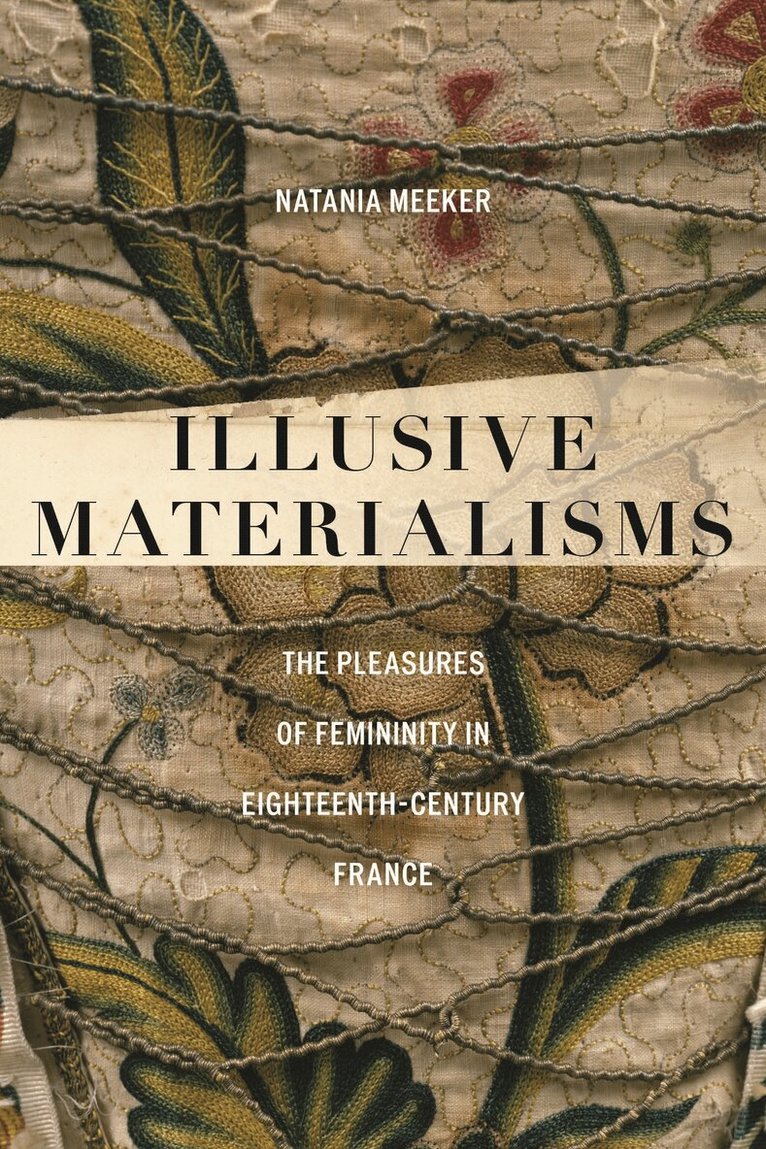
Illusive Materialisms brings a close attention to gender to bear on the philosophical and political argument that sensual pleasure, framed as a mode of feminine responsiveness, is the primary business of enlightenment. Ultimately, the book argues on behalf of a history of feminine speculation that resonates with contemporary feminist and queer efforts to recenter pleasure and its generative illusions in the necessary work of critique. Through its analysis of a materialism that is often hiding in plain sight, Illusive Materialisms explores different ways to cultivate delight in a world in ruin.While most studies of materialism during the French Enlightenment focus on works by men, Illusive Materialisms foregrounds responses by women to the materialist currents that cut across the eighteenth-century canon and that aim to recast femininity as the privileged condition of the modern, enlightened subject. For the women writers examined here, femininity is both a form that is embodied and an art that is practiced, often with transformative effects.Illusive Materialisms illuminates the crucial role played by femininity in a long history of materialist philosophy. At the same time, it uncovers a specifically feminine engagement with the materialist thought and practice of eighteenth-century France. The book shows how three women authors (Madeleine de Puisieux, Émilie Du Châtelet, and Françoise de Graffigny) rework, revise, and reuse materialist texts and ideas in order to craft an ethic of pleasure whose effects traverse their writing and their life. At the same time, it demonstrates that feminine forms, images, and persons lie at the heart of a tradition of materialist thought stretching from antiquity into the present day.