Antti Lahelma - Böcker
Visar alla böcker från författaren Antti Lahelma. Handla med fri frakt och snabb leverans.
5 produkter
5 produkter
596 kr
Skickas inom 10-15 vardagar
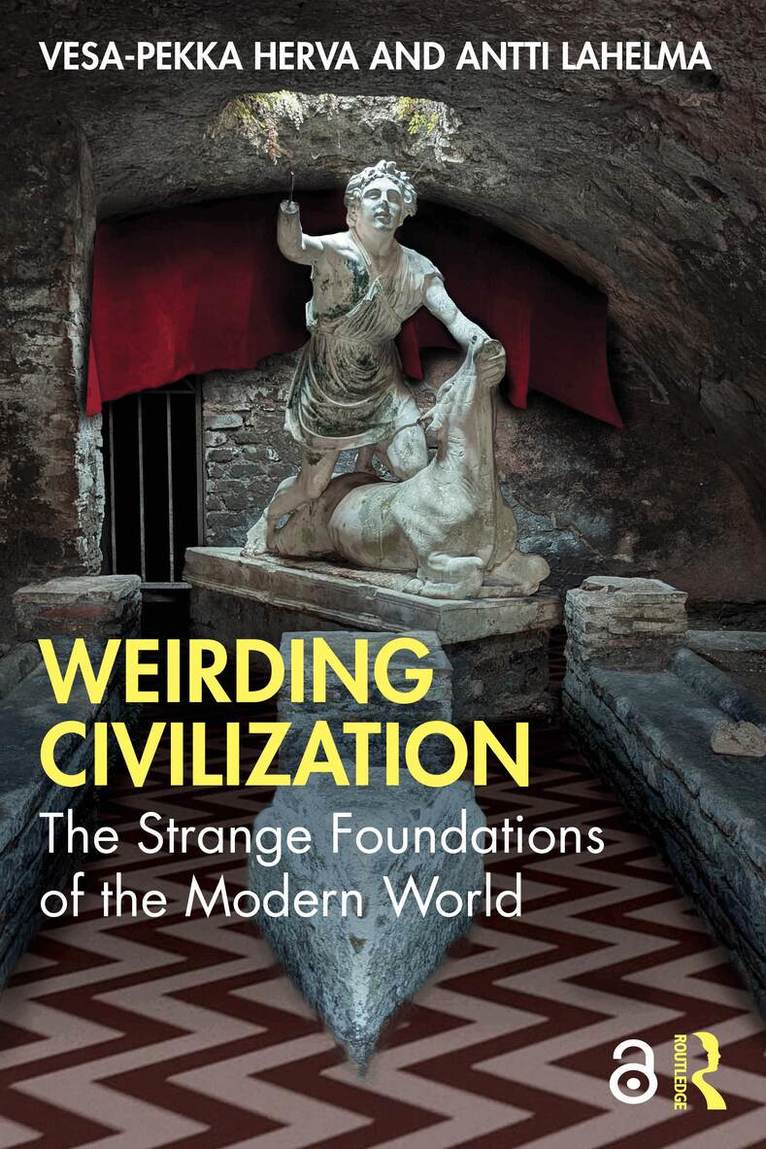
Weirding Civilization examines the irrational foundations of civilization, from the Bronze Age to the Anthropocene. Inspired by Twin Peaks and Lovecraftian horror, it reveals how weirdness – disorienting, monstrous, and ambivalent – has shaped human society since the rise of the first complex civilizations.Taking ‘weirding’ as its conceptual lens, the book examines hallmarks of civilization such as urbanism, money, and writing, uncovering their layered and often non-rational nature. While the concept of weirding has gained traction across disciplines, from literature studies to climate science, this book applies it systematically to early civilizations for the first time. Weirdness emerges as ruptures in experienced reality, arising from the complex interplay between humans and non-humans. The book explores how civilization has unfolded in relation to hidden, invisible, and unknown dimensions of reality. Accessible and thought-provoking, it broadens conceptual horizons, offering fresh insights into the past and present while inviting readers to embrace that which resists categorization. With a primary focus on Europe and the Near East, it also addresses global questions of modernity, technology, and cultural imagination.This book is essential for archaeologists, anthropologists, and historians studying complex societies as well as for readers fascinated by unconventional approaches to history and civilization. It appeals to anyone seeking to disrupt conventional understandings of humanity’s development.The Open Access version of this book, available at http://www.taylorfrancis.com, has been made available under a Creative Commons Attribution-Non Commercial-No Derivatives (CC BY-NC-ND) 4.0 license.
2 160 kr
Skickas inom 10-15 vardagar
Weirding Civilization examines the irrational foundations of civilization, from the Bronze Age to the Anthropocene. Inspired by Twin Peaks and Lovecraftian horror, it reveals how weirdness – disorienting, monstrous, and ambivalent – has shaped human society since the rise of the first complex civilizations.Taking ‘weirding’ as its conceptual lens, the book examines hallmarks of civilization such as urbanism, money, and writing, uncovering their layered and often non-rational nature. While the concept of weirding has gained traction across disciplines, from literature studies to climate science, this book applies it systematically to early civilizations for the first time. Weirdness emerges as ruptures in experienced reality, arising from the complex interplay between humans and non-humans. The book explores how civilization has unfolded in relation to hidden, invisible, and unknown dimensions of reality. Accessible and thought-provoking, it broadens conceptual horizons, offering fresh insights into the past and present while inviting readers to embrace that which resists categorization. With a primary focus on Europe and the Near East, it also addresses global questions of modernity, technology, and cultural imagination.This book is essential for archaeologists, anthropologists, and historians studying complex societies as well as for readers fascinated by unconventional approaches to history and civilization. It appeals to anyone seeking to disrupt conventional understandings of humanity’s development.The Open Access version of this book, available at http://www.taylorfrancis.com, has been made available under a Creative Commons Attribution-Non Commercial-No Derivatives (CC BY-NC-ND) 4.0 license.
2 160 kr
Skickas inom 10-15 vardagar
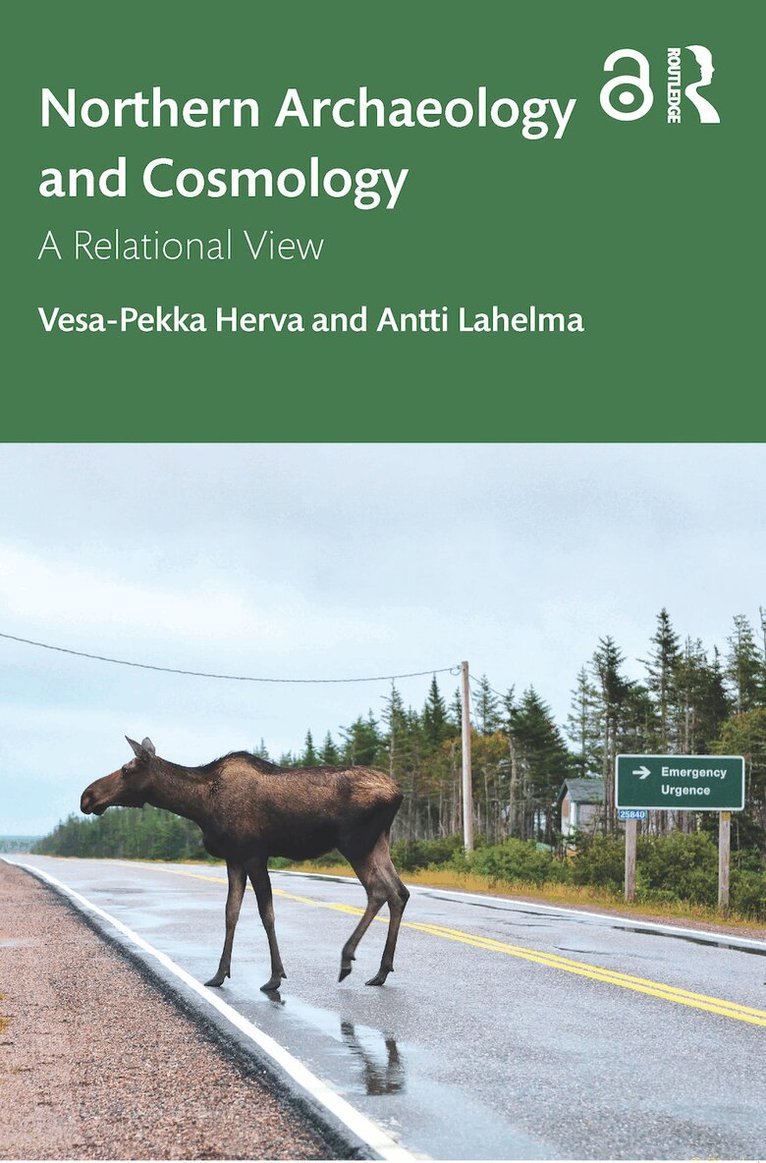
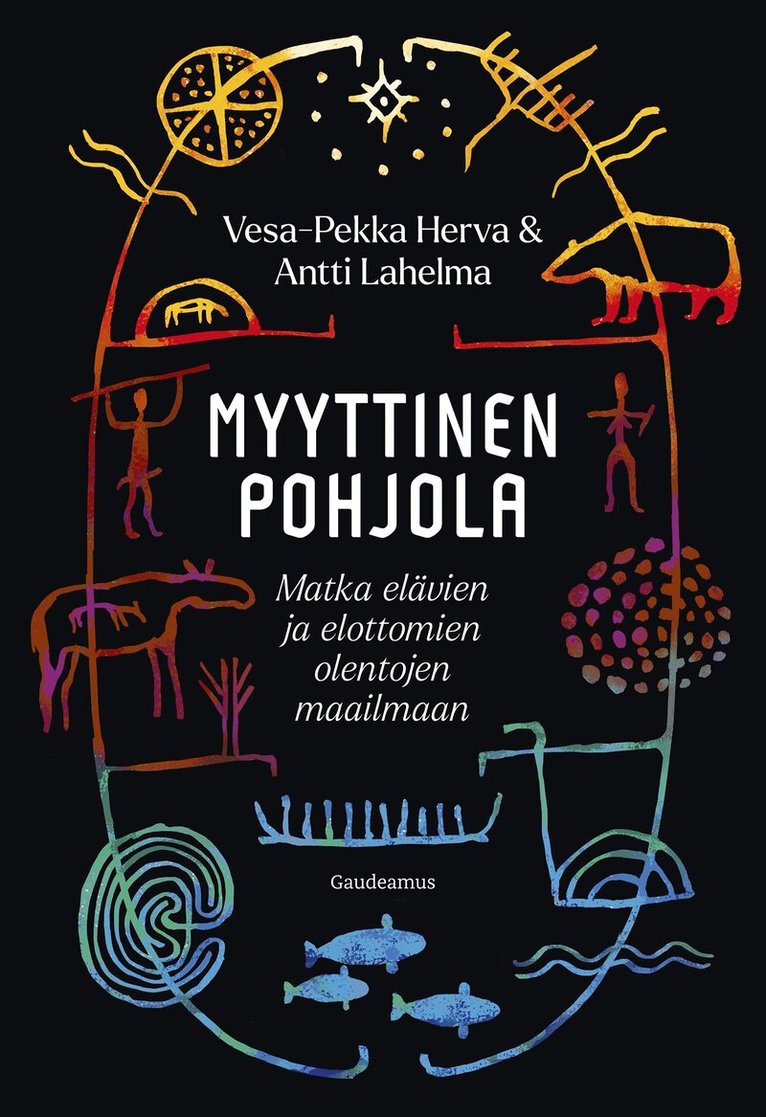
In its analysis of the archaeologies and histories of the northern fringe of Europe, this book provides a focus on animistic–shamanistic cosmologies and the associated human–environment relations from the Neolithic to modern times. The North has fascinated Europeans throughout history, as an enchanted world of natural and supernatural marvels: a land of light and dark, of northern lights and the midnight sun, of witches and magic and of riches ranging from amber to oil. Northern lands conflate fantasies and realities.Rich archaeological, historical, ethnographic and folkloric materials combine in this book with cutting-edge theoretical perspectives drawn from relational ontologies and epistemologies, producing a fresh approach to the prehistory and history of a region that is pivotal to understanding Europe-wide processes, such as Neolithization and modernization. This book examines the mythical and actual northern worlds, with northern relational modes of perceiving and engaging with the world on the one hand and the ‘place’ of the North in European culture on the other.This book is an indispensable read for scholars of archaeology, anthropology, cultural studies and folklore in northern Europe, as well as researchers interested in how the North is intertwined with developments in the broader European and Eurasian world. It provides a deep-time understanding of globally topical issues and conflicting interests, as expressed by debates and controversies around Arctic resources, nature preservation and indigenous rights.
596 kr
Skickas inom 10-15 vardagar
In its analysis of the archaeologies and histories of the northern fringe of Europe, this book provides a focus on animistic–shamanistic cosmologies and the associated human–environment relations from the Neolithic to modern times. The North has fascinated Europeans throughout history, as an enchanted world of natural and supernatural marvels: a land of light and dark, of northern lights and the midnight sun, of witches and magic and of riches ranging from amber to oil. Northern lands conflate fantasies and realities.Rich archaeological, historical, ethnographic and folkloric materials combine in this book with cutting-edge theoretical perspectives drawn from relational ontologies and epistemologies, producing a fresh approach to the prehistory and history of a region that is pivotal to understanding Europe-wide processes, such as Neolithization and modernization. This book examines the mythical and actual northern worlds, with northern relational modes of perceiving and engaging with the world on the one hand and the ‘place’ of the North in European culture on the other.This book is an indispensable read for scholars of archaeology, anthropology, cultural studies and folklore in northern Europe, as well as researchers interested in how the North is intertwined with developments in the broader European and Eurasian world. It provides a deep-time understanding of globally topical issues and conflicting interests, as expressed by debates and controversies around Arctic resources, nature preservation and indigenous rights.
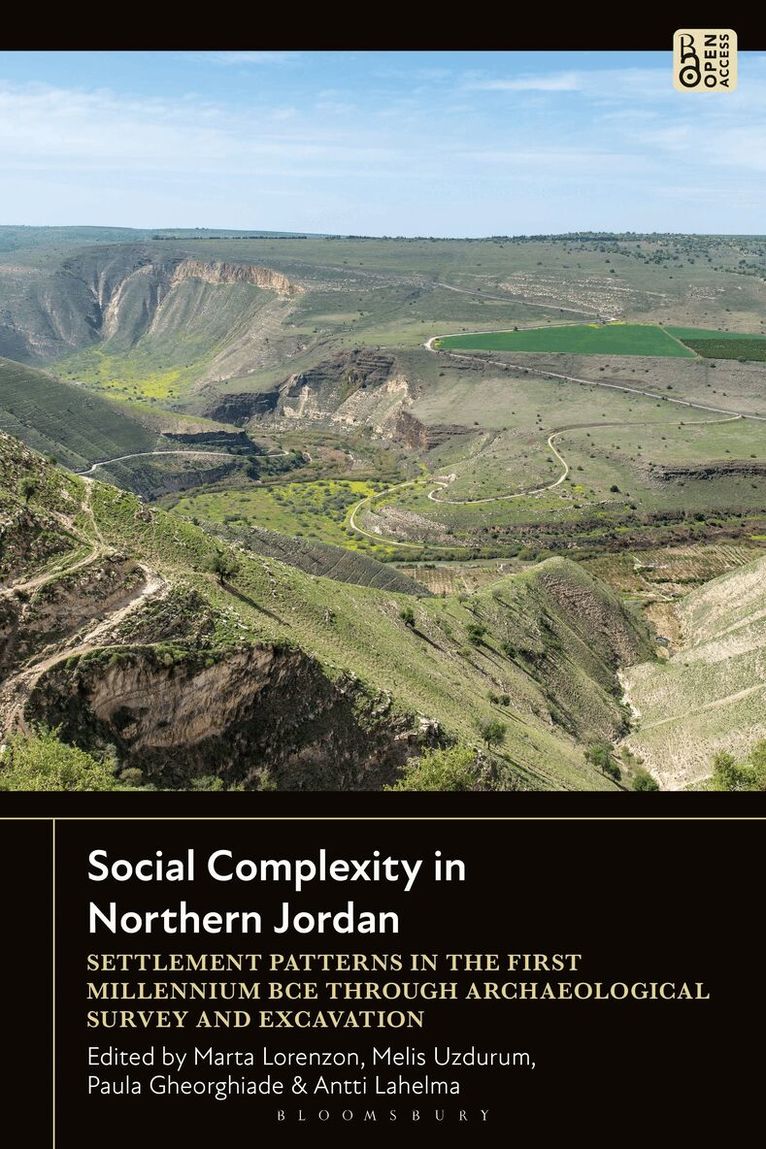
Social Complexity in Northern Jordan
Settlement Patterns in the First Millennium BCE through Archaeological Survey and Excavation
Inbunden, Engelska, 2026
1 448 kr
Kommande
This open access investigation of Northern Jordan in the first millennium BCE offers new insights into the mechanisms of social complexity, showing how communities adapted to their environments, negotiated power and interacted with their neighbours.The Iron Age Levant is a pivotal period in human history, representing a crucial phase in the evolution of complex societies. This era witnessed the emergence of new political structures, economic systems and cultural expressions that have had a lasting impact on subsequent civilizations. With the focus on Northern Jordan, a region much less studied than the surrounding areas of the Levant, the case studies of Tall Ya’moun and Tall al-Assara present the most recent archaeological excavations and surveys from fortified settlement sites and their surroundings.Individual chapters discuss topics such as observations on architecture, the results of different types of scientific analyses, and detailed analyses of specific artefacts such as pottery, stone vessels and bones. The contributors employ cutting-edge digital and analytical methodologies, such as soil geochemistry, archaeobotany, zooarchaeology, network analysis, GIS and 3D technologies. As a result, this book presents an important step forward in outlining the role of Northern Jordan in the political and cultural map of the Iron Age Levant, and it also sheds light on the origins of many modern cultural and religious practices.The ebook editions of this book are available open access under a CC BY-ND 4.0 licence on bloomsburycollections.com. Open access was funded by the Research Council of Finland.