Anuja Agrawal – författare
Visar alla böcker från författaren Anuja Agrawal. Handla med fri frakt och snabb leverans.
8 produkter
Family Studies
Inbunden, 2024
1789 kr
Lägg i varukorg
Within the social, political, and economic contexts existing in modern-day India, family is neither a simple remnant of tradition nor a domain merely representing insulated private lives. Rather, it is implicated in malleable yet overpowering structures, relationships, and practices. If the …
Family Studies
E-bok, 2024
1613 kr
Lägg i varukorg
Within the social, political, and economic contexts existing in modern-day India, family is neither a simple remnant of tradition nor a domain merely representing insulated private lives. Rather, it is implicated in malleable yet overpowering structures, relationships, and practices. If the …
Family Studies
E-bok, 2024
1613 kr
Lägg i varukorg
Within the social, political, and economic contexts existing in modern-day India, family is neither a simple remnant of tradition nor a domain merely representing insulated private lives. Rather, it is implicated in malleable yet overpowering structures, relationships, and practices. If the …
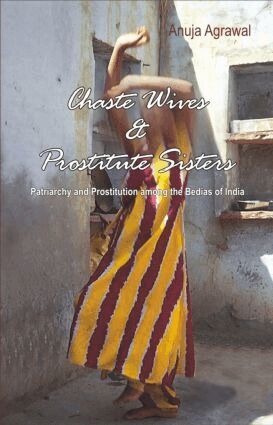
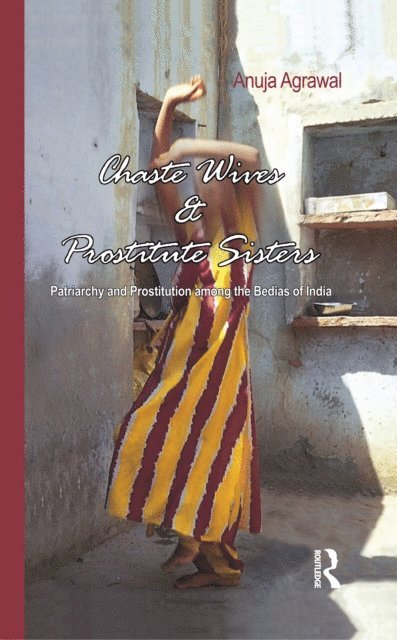
Chaste Wives and Prostitute Sisters
Patriarchy and Prostitution among the Bedias of India
Inbunden, 2007
2510 kr
Lägg i varukorg
This book is an anthropological study of the unusual coincidence of prostitution and patriarchy among an extremely marginalized group in north India, the Bedias, who are also a de-notified community. It is the first detailed account of the implications of a systematic practice of familial …
Chaste Wives and Prostitute Sisters
Patriarchy and Prostitution among the Bedias of India
E-bok, 2020
932 kr
Lägg i varukorg
This book is an anthropological study of the unusual coincidence of prostitution and patriarchy among an extremely marginalized group in north India, the Bedias, who are also a de-notified community. It is the first detailed account of the implications of a systematic practice of familial …
Chaste Wives and Prostitute Sisters
Patriarchy and Prostitution among the Bedias of India
E-bok, 2020
953 kr
Lägg i varukorg
This book is an anthropological study of the unusual coincidence of prostitution and patriarchy among an extremely marginalized group in north India, the Bedias, who are also a de-notified community. It is the first detailed account of the implications of a systematic practice of familial …
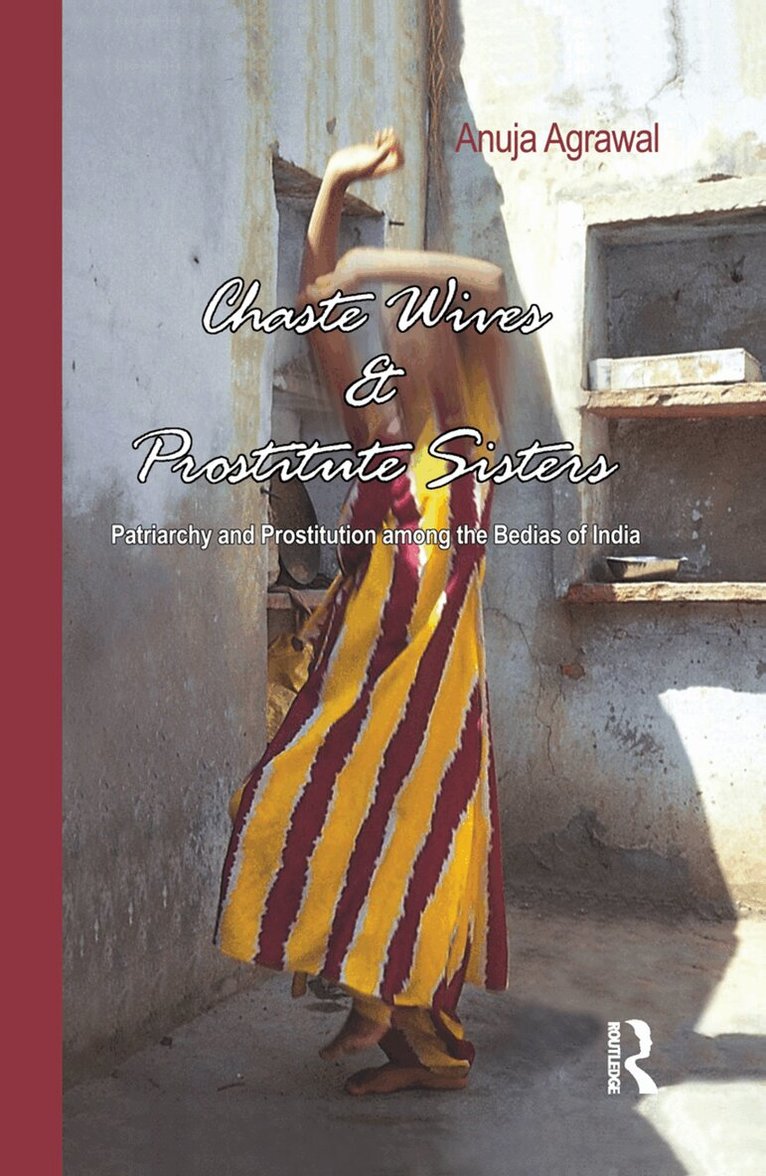
Chaste Wives and Prostitute Sisters
Patriarchy and Prostitution among the Bedias of India
Häftad, 2018
807 kr
Lägg i varukorg
This book is an anthropological study of the unusual coincidence of prostitution and patriarchy among an extremely marginalized group in north India, the Bedias, who are also a de-notified community. It is the first detailed account of the implications of a systematic practice of familial …
Check-Up, Check-In
Why Business Travel Strategies Should Prioritize Employee Health and Wellness
Av Mary Miller Sallah, Anuja Agrawal
E-bok, 2023
165 kr
Lägg i varukorg
**INTEGRATING HEALTH-FOCUSED STRATEGIES INTO TRAVEL POLICIES IS A BUSINESS IMPERATIVE ** BEGINNING WITH A COMPREHENSIVE UNDERSTANDING of businesses’ Duty of Care and employees’ Duty of Loyalty, Agrawal and Miller Sallah offer readers a seven-step approach to maintaining a heightened focus on …