Arabella Stanger - Böcker
Visar alla böcker från författaren Arabella Stanger. Handla med fri frakt och snabb leverans.
4 produkter
4 produkter
1 971 kr
Skickas inom 3-6 vardagar
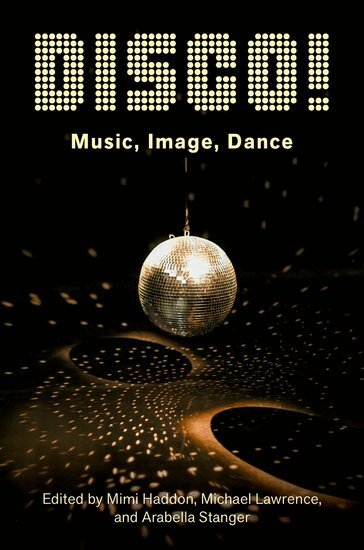
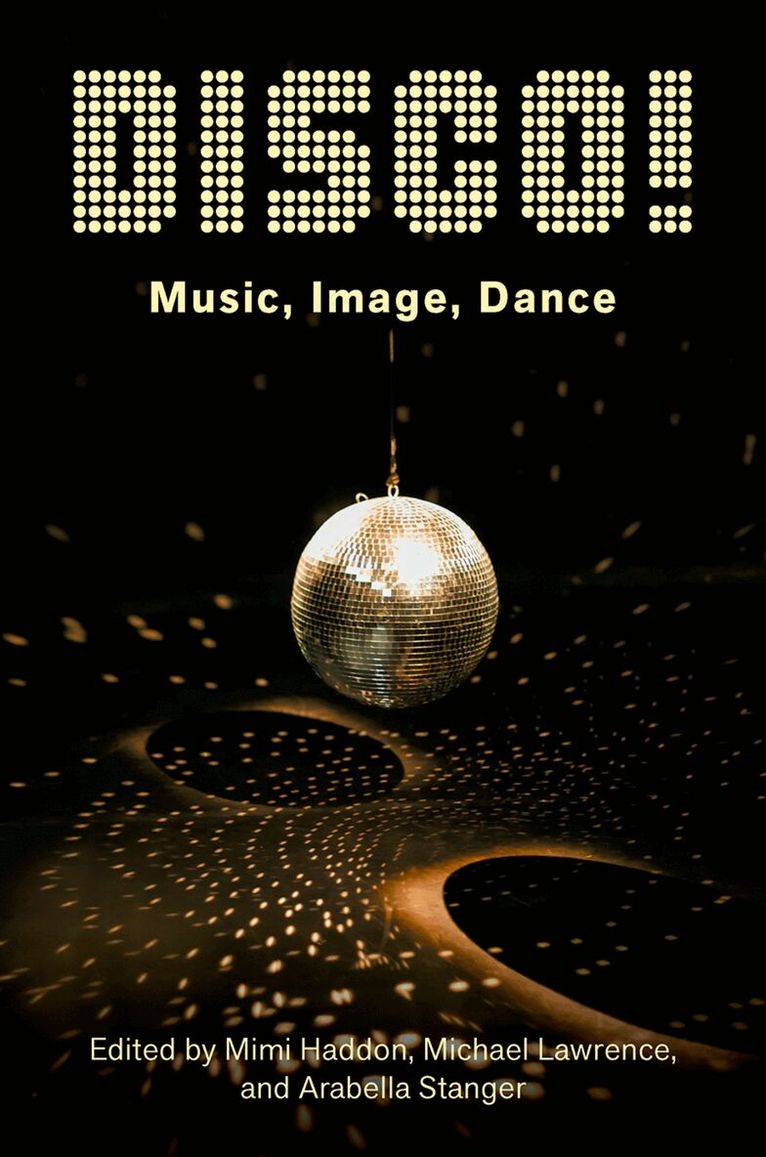
DISCO! Music, Image, Dance takes an interdisciplinary approach to exploring disco's untold stories--sonic, visual, and kinetic--from its popular heyday to its many afterlives. The book attests to disco's irrepressibility in cultural practices from the 1970s to the 2020s, tracing its histories and instantiations as these traverse geographies, affects, and memories, and exploring the reaches of disco as an expansive field of music, image, and dance. Illustrating how disco shows up in multiple and surprising ways across its times and spaces, chapters track the ubiquity of disco not only in relation to music and nightlife but also fashion, film, literature, poetry, dance, performance art, digital media, museums, exercise, activism, and community. DISCO! offers an expanded and necessarily ambivalent view of the value of disco-its embrace of both the ridiculous and the sublime, and its involvement in both progressive and reactionary social tendencies. Stretching disco studies towards a more capacious logic of valuation, contributors reveal disco to be as frivolous as it is urgent, as fanciful as it is (under)grounded, as much to do with oppression as liberation. DISCO! attests to the undisciplined and inclusive attention which disco, as a tentacular global cultural phenomenon, duly deserves and requires.
370 kr
Skickas inom 5-8 vardagar
DISCO! Music, Image, Dance takes an interdisciplinary approach to exploring disco's untold stories--sonic, visual, and kinetic--from its popular heyday to its many afterlives. The book attests to disco's irrepressibility in cultural practices from the 1970s to the 2020s, tracing its histories and instantiations as these traverse geographies, affects, and memories, and exploring the reaches of disco as an expansive field of music, image, and dance. Illustrating how disco shows up in multiple and surprising ways across its times and spaces, chapters track the ubiquity of disco not only in relation to music and nightlife but also fashion, film, literature, poetry, dance, performance art, digital media, museums, exercise, activism, and community. DISCO! offers an expanded and necessarily ambivalent view of the value of disco-its embrace of both the ridiculous and the sublime, and its involvement in both progressive and reactionary social tendencies. Stretching disco studies towards a more capacious logic of valuation, contributors reveal disco to be as frivolous as it is urgent, as fanciful as it is (under)grounded, as much to do with oppression as liberation. DISCO! attests to the undisciplined and inclusive attention which disco, as a tentacular global cultural phenomenon, duly deserves and requires.
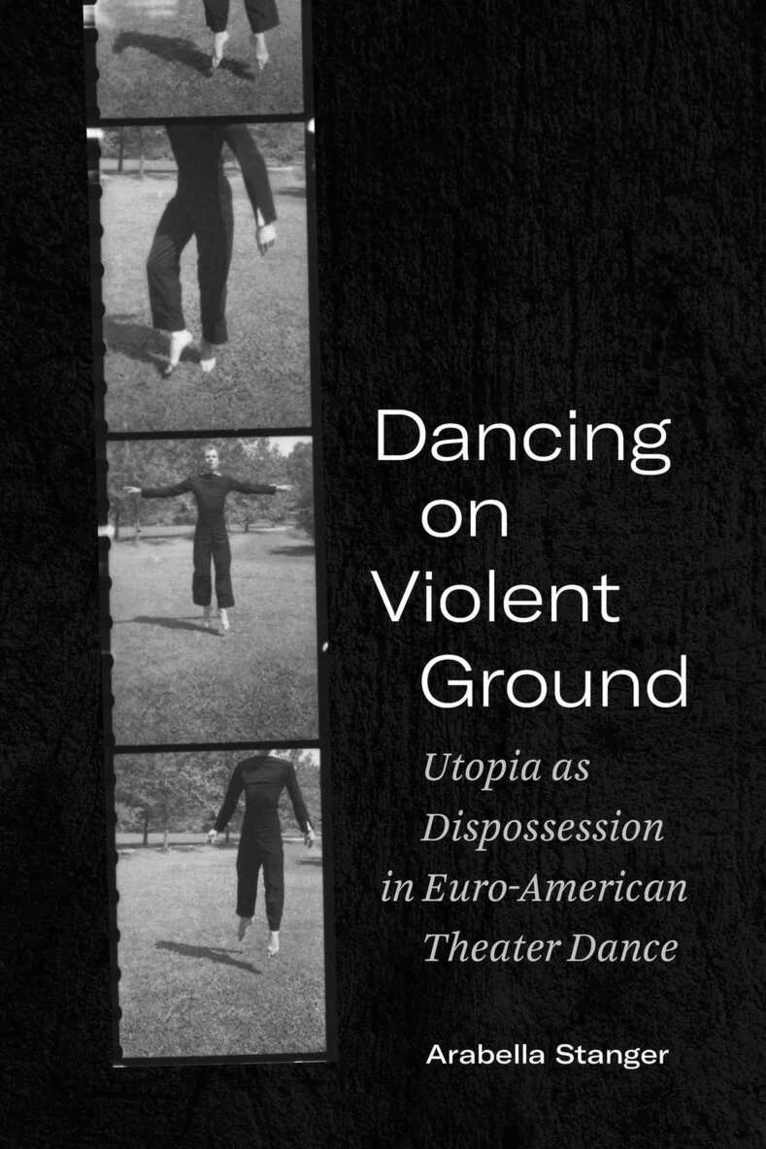
Dancing on Violent Ground
Utopia As Dispossession in Euro-American Theater Dance
Häftad, Engelska, 2021
402 kr
Skickas inom 7-10 vardagar
The politics of theater dance is commonly theorized in relation to bodily freedom, resistance, agitation, or repair. This book questions those utopian imaginaries, arguing that the visions and sensations of canonical Euro-American choreographies carry hidden forms of racial violence, not in the sense of the physical or psychological traumas arising in the practice of these arts, but through the histories of social domination that materially underwrite them.Developing a new theory of choreographic space, Arabella Stanger shows how embodied forms of hope promised in ballet and progressive dance modernisms conceal and depend on spatial operations of imperial, colonial, and racial subjection. Stanger unearths dance’s violent ground by interrogating the expansionist fantasies of Marius Petipa’s imperial ballet, settler colonial and corporate land practices in the modern dance of Martha Graham and George Balanchine, reactionary discourses of the human in Rudolf von Laban’s and Oskar Schlemmer’s movement geometries; Merce Cunningham’s experimentalism as a white settler fantasy of the land of the free, and the imperial amnesia of Boris Charmatz’s interventions into metropolitan museums. Drawing on materialist thought, critical race theory, and indigenous studies, Stanger ultimately advocates for dance studies to adopt a position of “critical negativity,” an analytical attitude attuned to how dance’s exuberant modeling of certain forms of life might provide cover for life negating practices. Bold in its arguments and rigorous in its critique, Dancing on Violent Ground asks how performance scholars can develop a practice of thinking hopefully, without expunging history from their site of analysis.
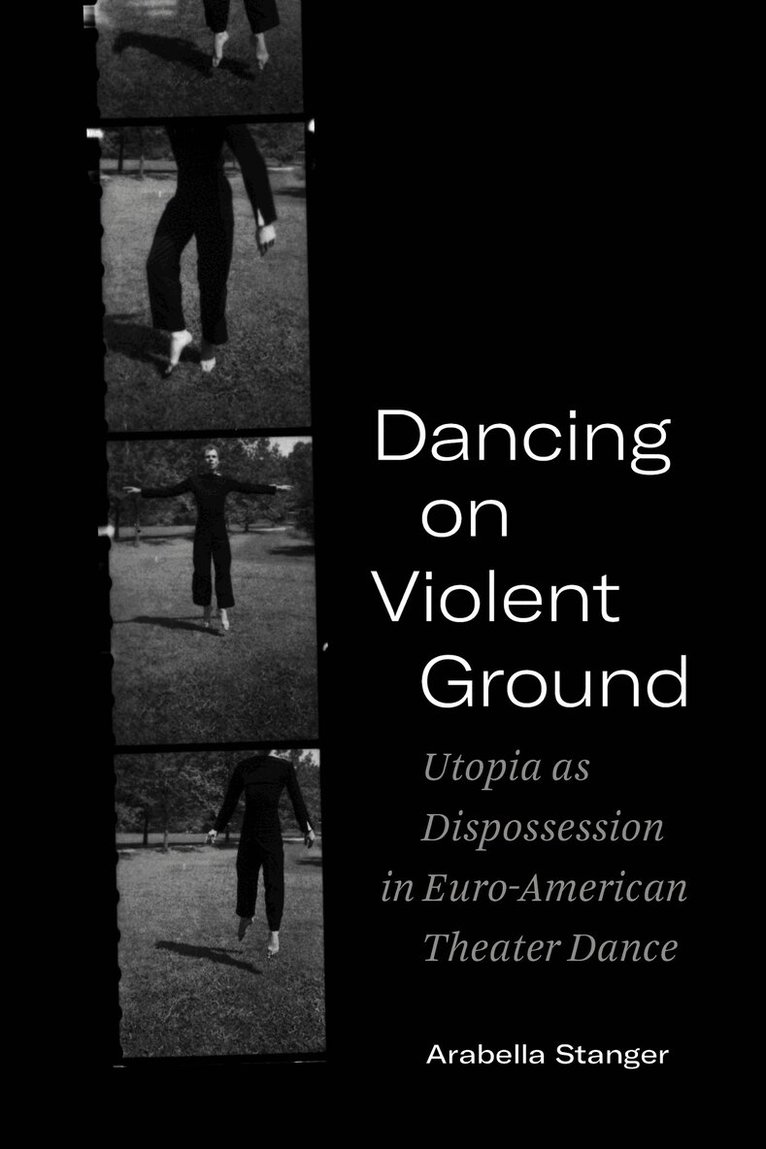
Dancing on Violent Ground
Utopia As Dispossession in Euro-American Theater Dance
Inbunden, Engelska, 2021
1 111 kr
Skickas inom 10-15 vardagar
The politics of theater dance is commonly theorized in relation to bodily freedom, resistance, agitation, or repair. This book questions those utopian imaginaries, arguing that the visions and sensations of canonical Euro-American choreographies carry hidden forms of racial violence, not in the sense of the physical or psychological traumas arising in the practice of these arts, but through the histories of social domination that materially underwrite them.Developing a new theory of choreographic space, Arabella Stanger shows how embodied forms of hope promised in ballet and progressive dance modernisms conceal and depend on spatial operations of imperial, colonial, and racial subjection. Stanger unearths dance’s violent ground by interrogating the expansionist fantasies of Marius Petipa’s imperial ballet, settler colonial and corporate land practices in the modern dance of Martha Graham and George Balanchine, reactionary discourses of the human in Rudolf von Laban’s and Oskar Schlemmer’s movement geometries; Merce Cunningham’s experimentalism as a white settler fantasy of the land of the free, and the imperial amnesia of Boris Charmatz’s interventions into metropolitan museums. Drawing on materialist thought, critical race theory, and indigenous studies, Stanger ultimately advocates for dance studies to adopt a position of “critical negativity,” an analytical attitude attuned to how dance’s exuberant modeling of certain forms of life might provide cover for life negating practices. Bold in its arguments and rigorous in its critique, Dancing on Violent Ground asks how performance scholars can develop a practice of thinking hopefully, without expunging history from their site of analysis.