Arezou Azad – författare
Visar alla böcker från författaren Arezou Azad. Handla med fri frakt och snabb leverans.
9 produkter
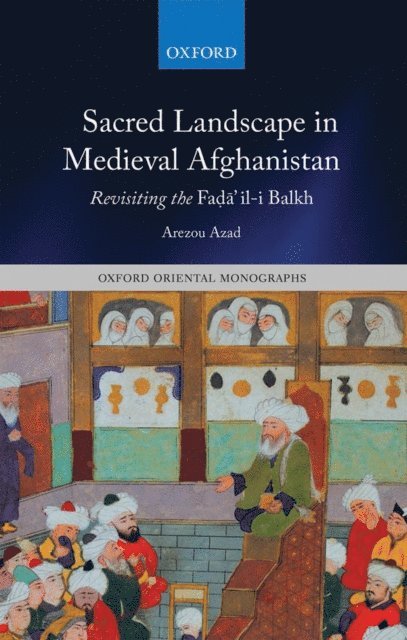
Sacred Landscape in Medieval Afghanistan
Revisiting the Fada"e;il-i Balkh
Av Arezou Azad
E-bok, 2013
1760 kr
Lägg i varukorg
This book is about a sacred place called Balkh, known to the ancient Greeks as Bactra. Located in the north of today''s Afghanistan, along the silk road, Balkh was holy to many. The Prophet Zoroaster is rumoured to have died here, and during late antiquity, Balkh was the home of the Naw Bahār, a …
Sacred Landscape in Medieval Afghanistan
Revisiting the Faḍā"il-i Balkh
Av Arezou Azad
Inbunden, 2013
2765 kr
Lägg i varukorg
This book is about a sacred place called Balkh, known to the ancient Greeks as Bactra. Located in the north of today's Afghanistan, along the silk road, Balkh was holy to many. The Prophet Zoroaster is rumoured to have died here, and during late antiquity, Balkh was the home of the Naw Bahār, a …
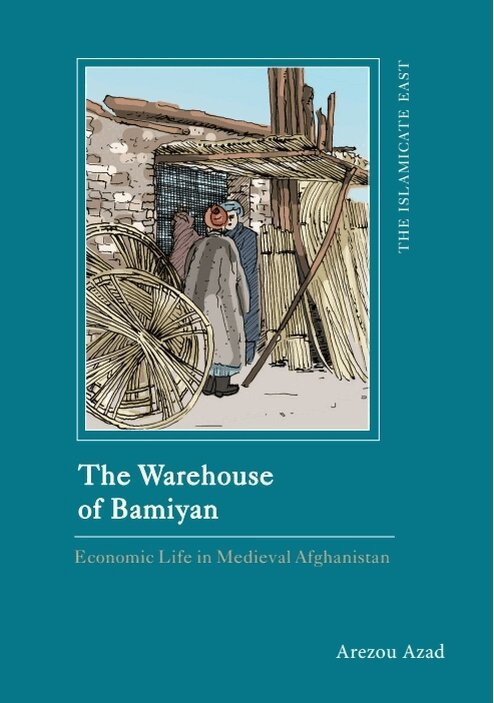
Warehouse of Bamiyan
Economic Life in Medieval Afghanistan
Av Arezou Azad
Inbunden, 2026
1203 kr
Lägg i varukorg
Bamiyan, in present-day Afghanistan, is famous for its giant Buddhas, but what was life like for its rural inhabitants 500 years after the Muslim conquest? The Warehouse of Bamiyan uncovers the untold history of the region's warehouse, revealing the lives of farmers, landholders, the taxes they …
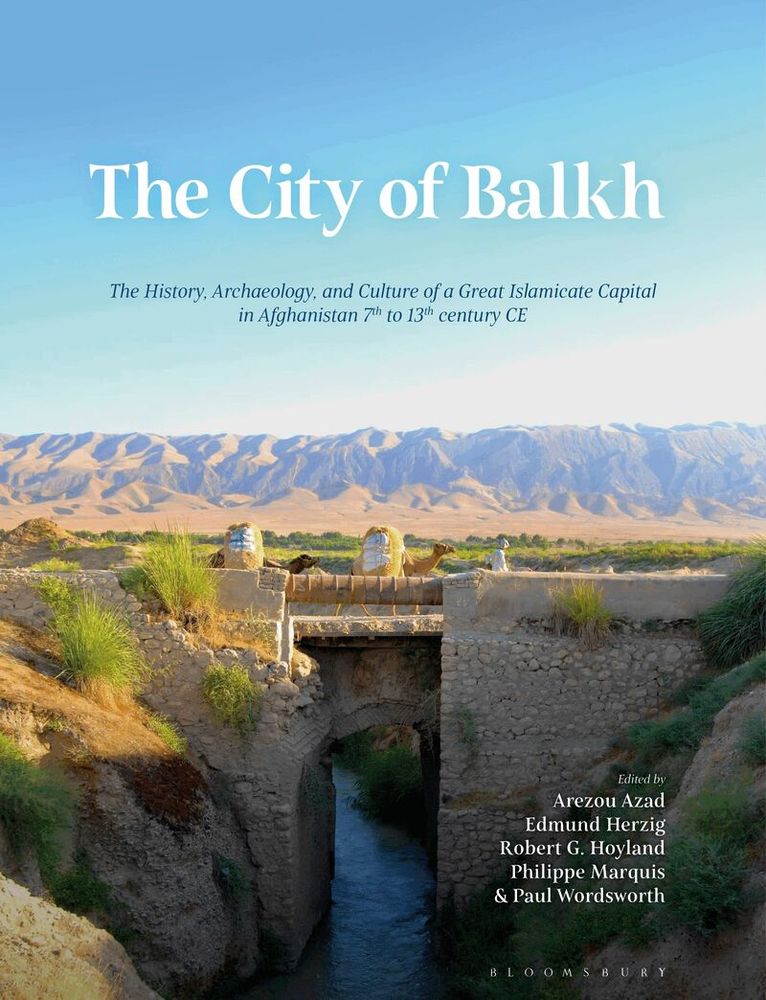
City of Balkh
The History, Archaeology, and Culture of a Great Islamicate Capital in Afghanistan 7th to 13th century CE
Av HERZIG EDMUND AZAD A, Arezou Azad m. fl.
Inbunden, 2026
1271 kr
Lägg i varukorg
In the early Islamic age, the city of Balkh was one of the largest and most influential cities in the world. Situated on the northern plains of modern Afghanistan, Balkh flourished from the 7th to the 13th centuries, home to a wide variety of scholars, artists and religious leaders.This book …
City of Balkh
The History, Archaeology, and Culture of a Great Islamicate Capital in Afghanistan 7th to 13th Century Ce
Av Arezou Azad, Edmund Herzig m. fl.
E-bok, 2026
1373 kr
Lägg i varukorg
In the early Islamic age, the city of Balkh was one of the largest and most influential cities in the world. Situated on the northern plains of modern Afghanistan, Balkh flourished from the 7th to the 13th centuries, home to a wide variety of scholars, artists and religious leaders. This book …
City of Balkh
The History, Archaeology, and Culture of a Great Islamicate Capital in Afghanistan 7th to 13th Century Ce
Av Arezou Azad, Edmund Herzig m. fl.
E-bok, 2026
1403 kr
Lägg i varukorg
In the early Islamic age, the city of Balkh was one of the largest and most influential cities in the world. Situated on the northern plains of modern Afghanistan, Balkh flourished from the 7th to the 13th centuries, home to a wide variety of scholars, artists and religious leaders. This book …
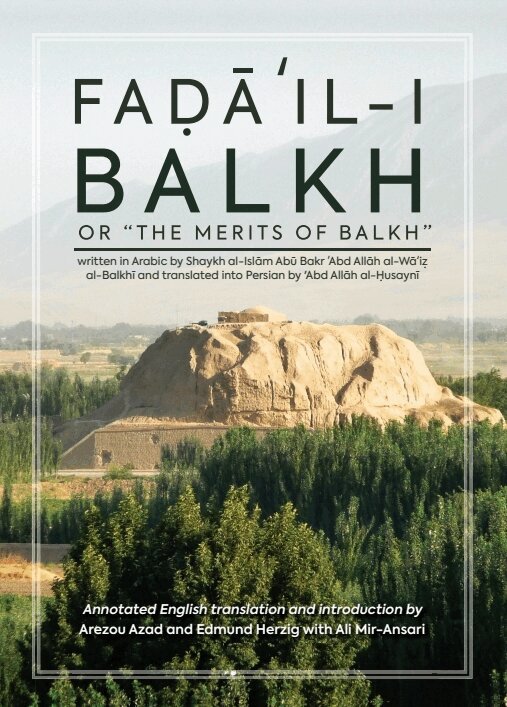
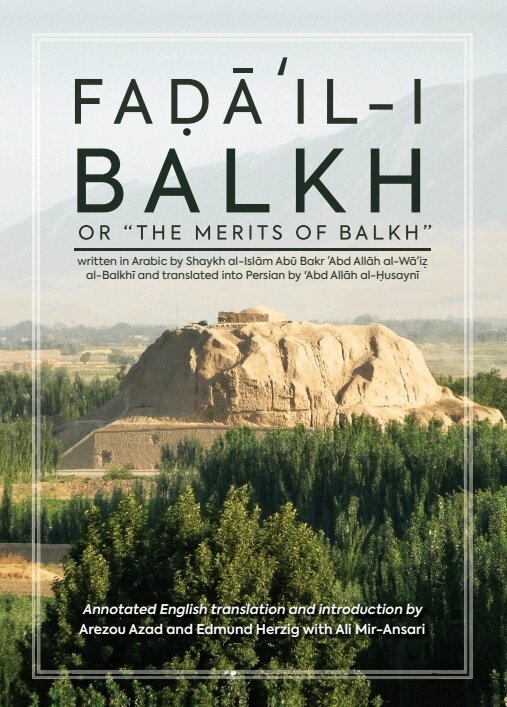
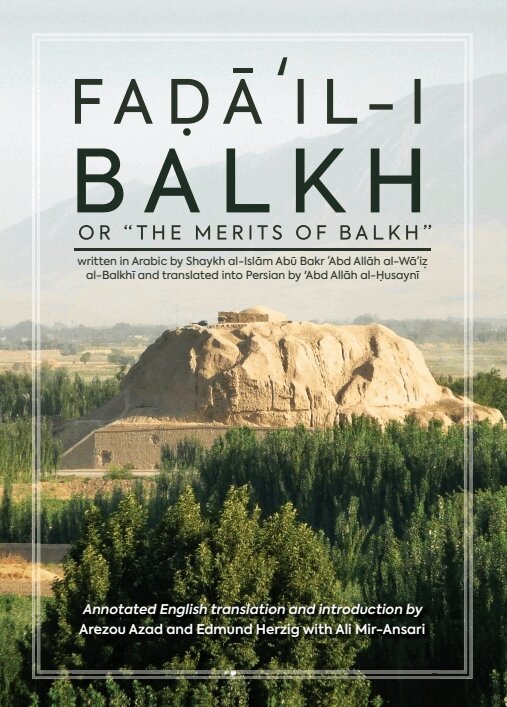
Faḍāʾil-i Balkh (The Merits of Balkh)
Annotated translation with commentary and introduction of the oldest surviving history of Balkh in Afghanistan
Av Arezou Azad, Edmund Herzig m. fl.
Inbunden, 2021
2558 kr
Lägg i varukorg
This is a critical edition and translation of the medieval local history of Balkh, known as Faḍāʾil-i Balkh (“The Merits of Balkh”), which was completed in 610 Hijrī (1214 CE) in Arabic by Shaykh al-Islām Abū Bakr ʿAbd Allāh al-Wāʿiẓ and translated into Persian by ʿAbd Allāh al-Ḥusaynī in 676 Hijri …
Faḍāʾil-i Balkh (The Merits of Balkh)
E-bok, 2021
2098 kr
Lägg i varukorg
This is a critical edition and translation of the medieval local history of Balkh, known as Faḍāʾil-i Balkh (“The Merits of Balkh”), which was completed in 610 Hijrī (1214 CE) in Arabic by Shaykh al-Islām Abū Bakr ʿAbd Allāh al-Wāʿiẓ and translated into Persian by ʿAbd Allāh al-Ḥusaynī in 676 Hijri …
Faḍāʾil-i Balkh (The Merits of Balkh)
E-bok, 2021
2098 kr
Lägg i varukorg
This is a critical edition and translation of the medieval local history of Balkh, known as Faḍāʾil-i Balkh (“The Merits of Balkh”), which was completed in 610 Hijrī (1214 CE) in Arabic by Shaykh al-Islām Abū Bakr ʿAbd Allāh al-Wāʿiẓ and translated into Persian by ʿAbd Allāh al-Ḥusaynī in 676 Hijri …