Edmund Herzig – författare
Visar alla böcker från författaren Edmund Herzig. Handla med fri frakt och snabb leverans.
22 produkter
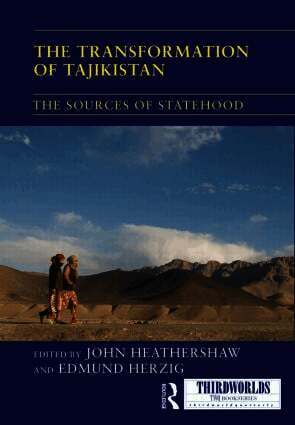
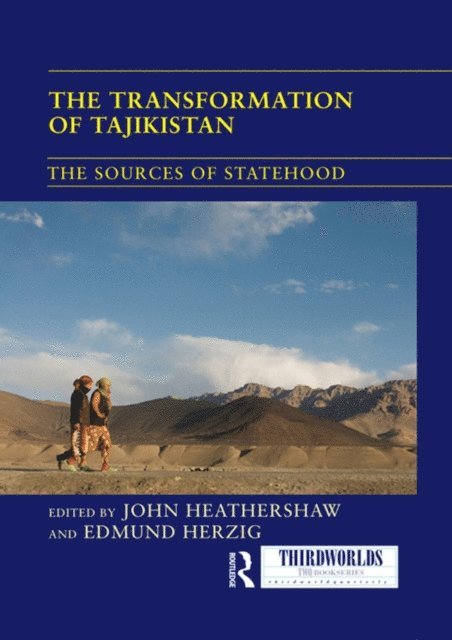
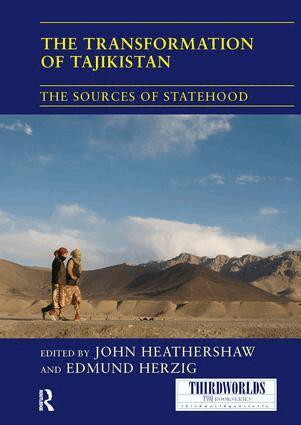
Transformation of Tajikistan
The Sources of Statehood
Av John Heathershaw, Edmund Herzig
Inbunden, 2012
2591 kr
Lägg i varukorg
Tajikistan is one of the lesser-known and least-researched former Soviet Central Asian republics. The birth of the new state in 1991 was followed closely by a civil war which killed more than 50,000 people and displaced many tens of thousands more. While a peace agreement was signed in 1997, …
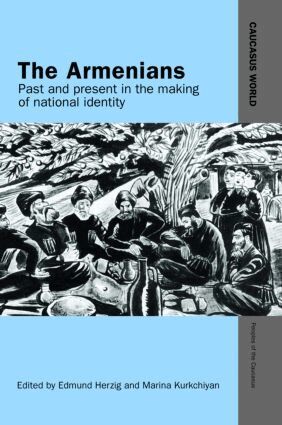
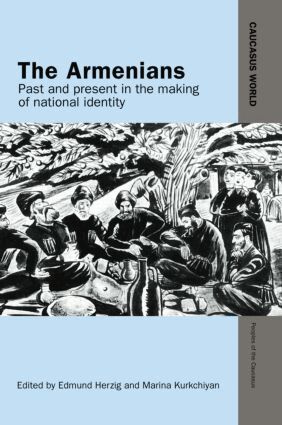
Armenians
Past and Present in the Making of National Identity
Av Edmund Herzig, Marina Kurkchiyan
Inbunden, 2005
2516 kr
Lägg i varukorg
A comprehensive introduction to the historical forces and recent social and political developments that have shaped today's Armenian people. With contributions from leading Armenian, American and European specialists, the book focuses on identity formation, exploring how the Armenians' perceptions …
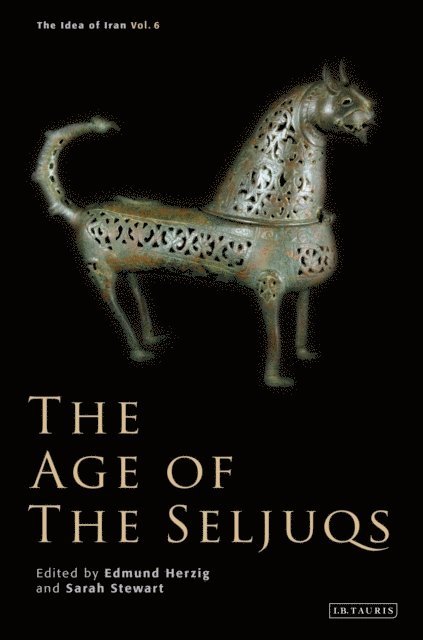
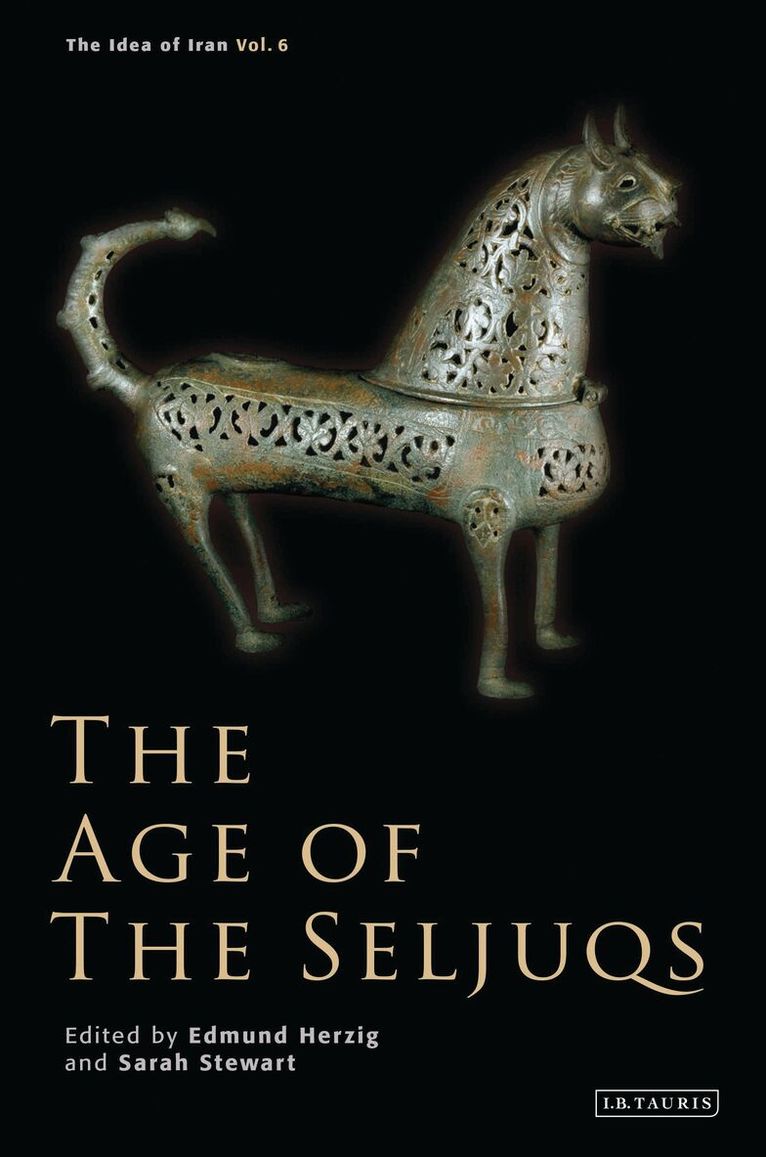
Age of the Seljuqs
Av Edmund Herzig, Sarah Stewart
E-bok, 2014
1044 kr
Lägg i varukorg
From their ancestral heartland by the shores of the Aral Sea, the medieval Oghuz Turks marched westwards in search of dominion. Their conquests led to control of a Muslim empire that united the territories of the Eastern Islamic world, melded Turkic and Persian influences and transported Persian …
Age of the Seljuqs
Av Edmund Herzig, Sarah Stewart
E-bok, 2014
991 kr
Lägg i varukorg
From their ancestral heartland by the shores of the Aral Sea, the medieval Oghuz Turks marched westwards in search of dominion. Their conquests led to control of a Muslim empire that united the territories of the Eastern Islamic world, melded Turkic and Persian influences and transported Persian …
Transformation of Tajikistan
The Sources of Statehood
Av Edmund Herzig, John Heathershaw
E-bok, 2013
935 kr
Lägg i varukorg
Tajikistan is one of the lesser-known and least-researched former Soviet Central Asian republics. The birth of the new state in 1991 was followed closely by a civil war which killed more than 50,000 people and displaced many tens of thousands more. While a peace agreement was signed in 1997, …
Transformation of Tajikistan
The Sources of Statehood
Av Edmund Herzig, John Heathershaw
E-bok, 2013
963 kr
Lägg i varukorg
Tajikistan is one of the lesser-known and least-researched former Soviet Central Asian republics. The birth of the new state in 1991 was followed closely by a civil war which killed more than 50,000 people and displaced many tens of thousands more. While a peace agreement was signed in 1997, …
Armenians
Past and Present in the Making of National Identity
Av Marina Kurkchiyan, Edmund Herzig
E-bok, 2004
910 kr
Lägg i varukorg
A comprehensive introduction to the historical forces and recent social and political developments that have shaped today''s Armenian people. With contributions from leading Armenian, American and European specialists, the book focuses on identity formation, exploring how the Armenians'' …
Armenians
Past and Present in the Making of National Identity
Av Marina Kurkchiyan, Edmund Herzig
E-bok, 2004
883 kr
Lägg i varukorg
A comprehensive introduction to the historical forces and recent social and political developments that have shaped today''s Armenian people. With contributions from leading Armenian, American and European specialists, the book focuses on identity formation, exploring how the Armenians'' …
Transformation of Tajikistan
The Sources of Statehood
Av John Heathershaw, Edmund Herzig
Häftad, 2016
818 kr
Lägg i varukorg
Tajikistan is one of the lesser-known and least-researched former Soviet Central Asian republics. The birth of the new state in 1991 was followed closely by a civil war which killed more than 50,000 people and displaced many tens of thousands more. While a peace agreement was signed in 1997, …
Armenians
Past and Present in the Making of National Identity
Av Edmund Herzig, Marina Kurkchiyan
Häftad, 2015
752 kr
Lägg i varukorg
A comprehensive introduction to the historical forces and recent social and political developments that have shaped today's Armenian people. With contributions from leading Armenian, American and European specialists, the book focuses on identity formation, exploring how the Armenians' perceptions …
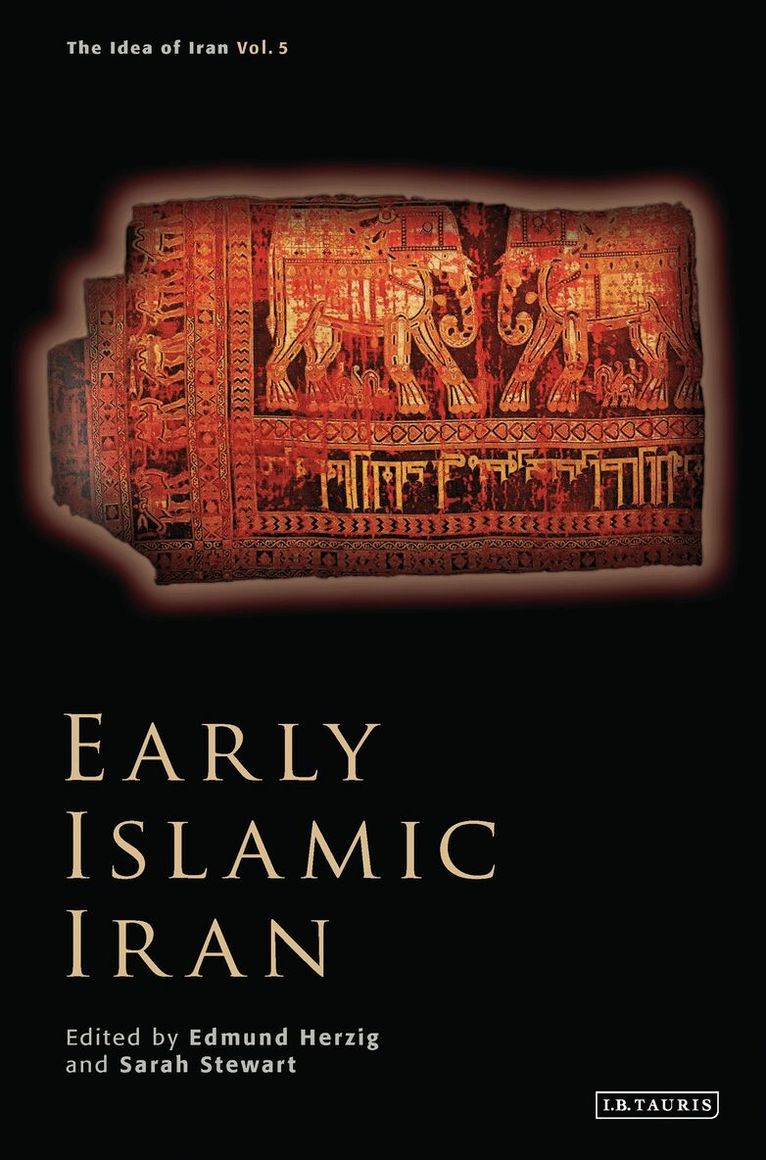
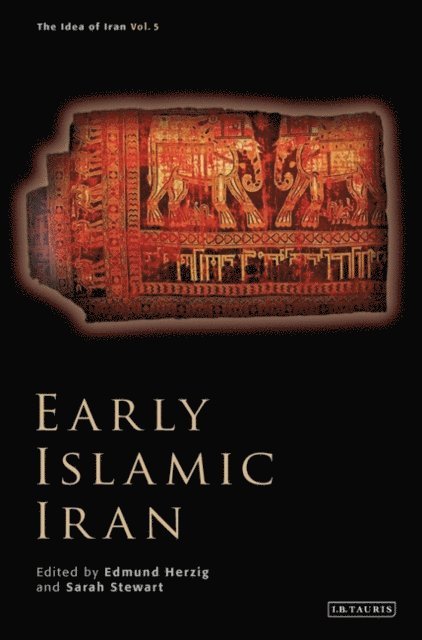
Early Islamic Iran
Av Edmund Herzig, Sarah Stewart
Inbunden, 2011
1000 kr
Lägg i varukorg
How did Iran remain distinctively Iranian in the centuries which followed the Arab Conquest? How did it retain its cultural distinctiveness after the displacement of Zoroastrianism - state religion of the Persian empire - by Islam? This latest volume in "The Idea of Iran" series traces that …
Age of the Seljuqs
Av Edmund Herzig, Sarah Stewart
Inbunden, 2014
929 kr
Lägg i varukorg
From their ancestral heartland by the shores of the Aral Sea, the medieval Oghuz Turks marched westwards in search of dominion. Their conquests led to control of a Muslim empire that united the territories of the Eastern Islamic world, melded Turkic and Persian influences and transported Persian …
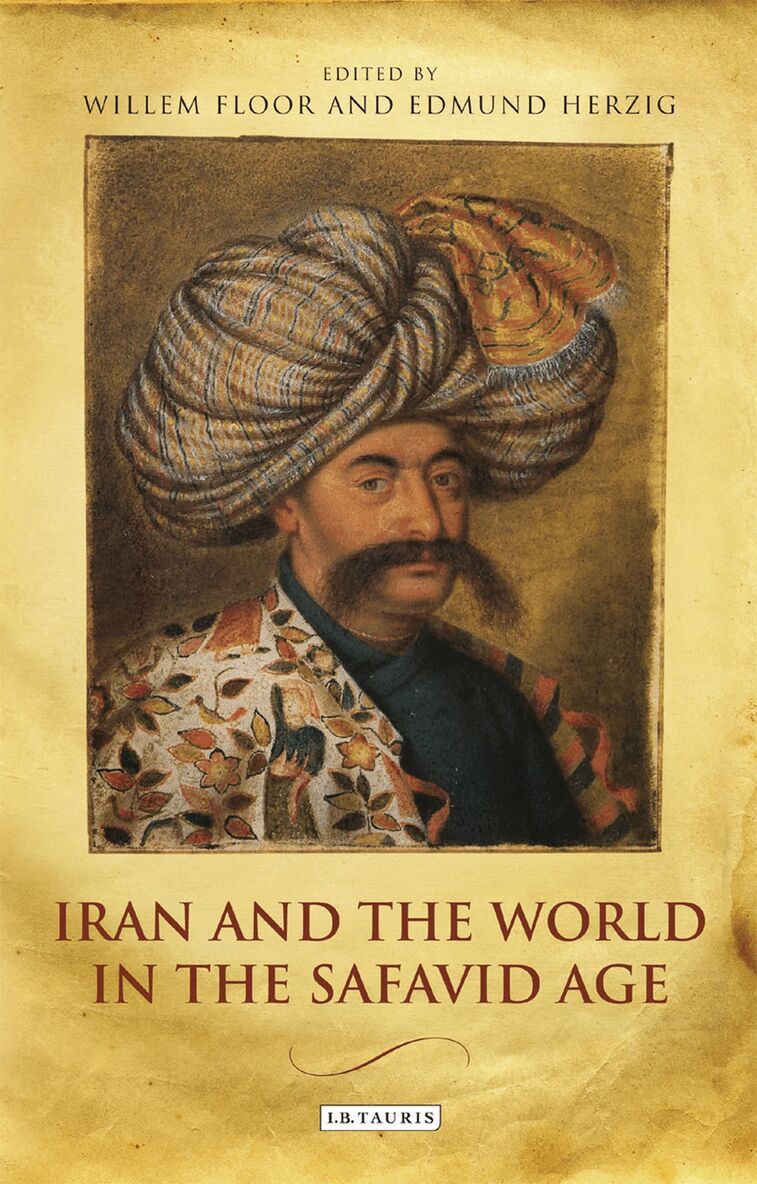
Iran and the World in the Safavid Age
Av Edmund Herzig, Willem Floor
Häftad, 2015
387 kr
Lägg i varukorg
I.B.Tauris in association with the Iran Heritage FoundationThe Safavid era is of special significance in the history of Iran. Under the Safavids - between the sixteenth and the mideighteenth century - Iran was transformed and a state emerged which was the forerunner of the Iran of today in several …
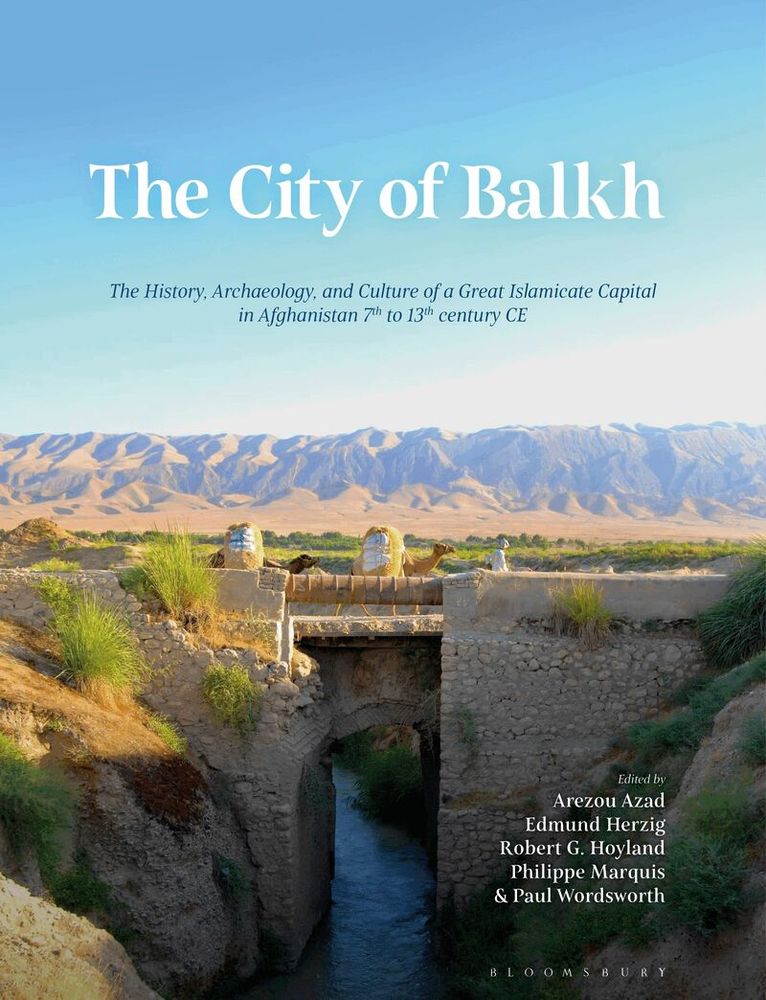
City of Balkh
The History, Archaeology, and Culture of a Great Islamicate Capital in Afghanistan 7th to 13th century CE
Av HERZIG EDMUND AZAD A, Arezou Azad m. fl.
Inbunden, 2026
1271 kr
Lägg i varukorg
In the early Islamic age, the city of Balkh was one of the largest and most influential cities in the world. Situated on the northern plains of modern Afghanistan, Balkh flourished from the 7th to the 13th centuries, home to a wide variety of scholars, artists and religious leaders.This book …
Early Islamic Iran
Av Edmund Herzig, Sarah Stewart
E-bok, 2011
1091 kr
Lägg i varukorg
How did Iran remain distinctively Iranian in the centuries which followed the Arab Conquest? How did it retain its cultural distinctiveness after the displacement of Zoroastrianism - state religion of the Persian empire - by Islam? This latest volume in "The Idea of Iran" series traces that …
City of Balkh
The History, Archaeology, and Culture of a Great Islamicate Capital in Afghanistan 7th to 13th Century Ce
Av Arezou Azad, Edmund Herzig m. fl.
E-bok, 2026
1373 kr
Lägg i varukorg
In the early Islamic age, the city of Balkh was one of the largest and most influential cities in the world. Situated on the northern plains of modern Afghanistan, Balkh flourished from the 7th to the 13th centuries, home to a wide variety of scholars, artists and religious leaders. This book …
Early Islamic Iran
Av Edmund Herzig, Sarah Stewart
E-bok, 2011
1124 kr
Lägg i varukorg
How did Iran remain distinctively Iranian in the centuries which followed the Arab Conquest? How did it retain its cultural distinctiveness after the displacement of Zoroastrianism - state religion of the Persian empire - by Islam? This latest volume in "The Idea of Iran" series traces that …
City of Balkh
The History, Archaeology, and Culture of a Great Islamicate Capital in Afghanistan 7th to 13th Century Ce
Av Arezou Azad, Edmund Herzig m. fl.
E-bok, 2026
1403 kr
Lägg i varukorg
In the early Islamic age, the city of Balkh was one of the largest and most influential cities in the world. Situated on the northern plains of modern Afghanistan, Balkh flourished from the 7th to the 13th centuries, home to a wide variety of scholars, artists and religious leaders. This book …
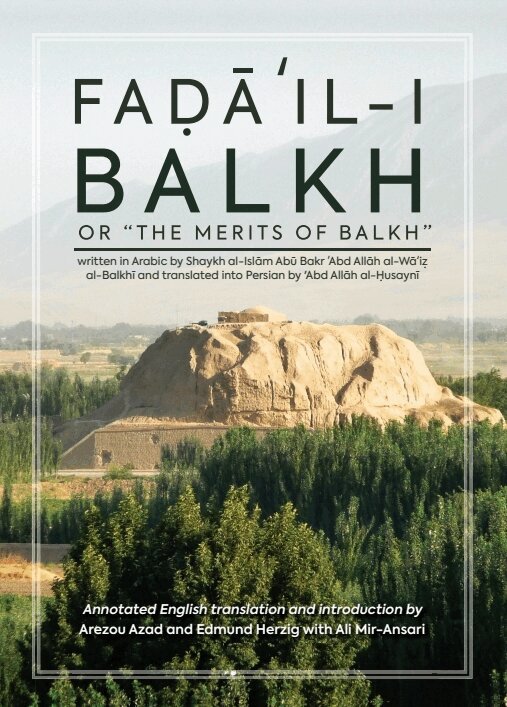
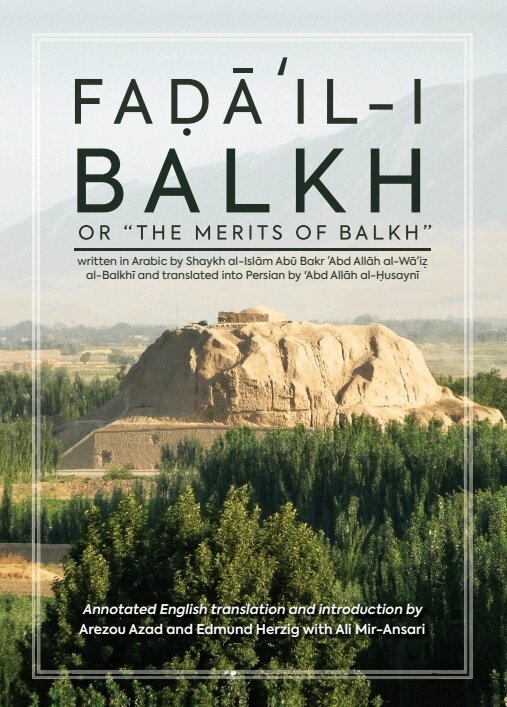
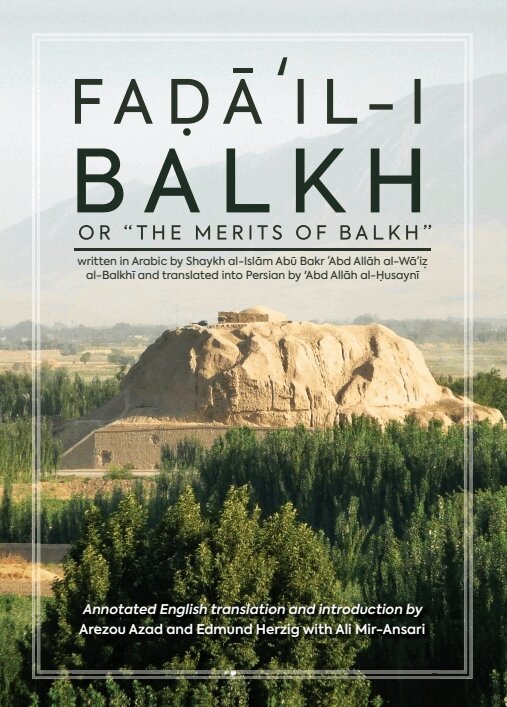
Faḍāʾil-i Balkh (The Merits of Balkh)
Annotated translation with commentary and introduction of the oldest surviving history of Balkh in Afghanistan
Av Arezou Azad, Edmund Herzig m. fl.
Inbunden, 2021
2558 kr
Lägg i varukorg
This is a critical edition and translation of the medieval local history of Balkh, known as Faḍāʾil-i Balkh (“The Merits of Balkh”), which was completed in 610 Hijrī (1214 CE) in Arabic by Shaykh al-Islām Abū Bakr ʿAbd Allāh al-Wāʿiẓ and translated into Persian by ʿAbd Allāh al-Ḥusaynī in 676 Hijri …
Faḍāʾil-i Balkh (The Merits of Balkh)
E-bok, 2021
2098 kr
Lägg i varukorg
This is a critical edition and translation of the medieval local history of Balkh, known as Faḍāʾil-i Balkh (“The Merits of Balkh”), which was completed in 610 Hijrī (1214 CE) in Arabic by Shaykh al-Islām Abū Bakr ʿAbd Allāh al-Wāʿiẓ and translated into Persian by ʿAbd Allāh al-Ḥusaynī in 676 Hijri …
Faḍāʾil-i Balkh (The Merits of Balkh)
E-bok, 2021
2098 kr
Lägg i varukorg
This is a critical edition and translation of the medieval local history of Balkh, known as Faḍāʾil-i Balkh (“The Merits of Balkh”), which was completed in 610 Hijrī (1214 CE) in Arabic by Shaykh al-Islām Abū Bakr ʿAbd Allāh al-Wāʿiẓ and translated into Persian by ʿAbd Allāh al-Ḥusaynī in 676 Hijri …
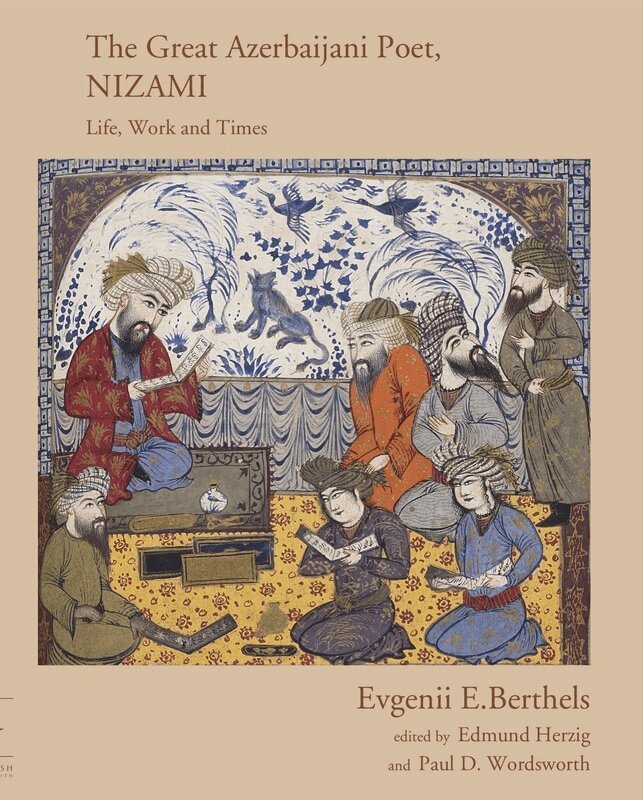
Nizami
The Great Azerbaijani Poet
Av Evgenii E Berthels, Edmund Herzig
Inbunden, 2017
256 kr
Tillfälligt slut