Willem Floor – författare
Visar alla böcker från författaren Willem Floor. Handla med fri frakt och snabb leverans.
42 produkter
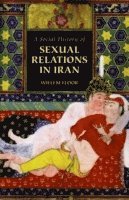
Social History of Sexual Relations in Iran
Av Willem Floor
Häftad, 2008
430 kr
Lägg i varukorg
This study illuminates the 2,500 year social history of sexual relations in Iran. Marriage, temporary marriage, prostitution, and homosexuality are all discussed, as well as the often unintended result of these relations -- sexually transmitted diseases. The book uses travellers' accounts, Iranian …
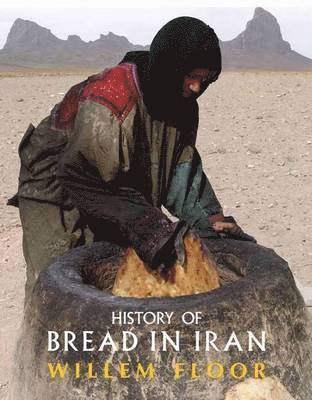
History of Bread in Iran
Av Willem Floor
Häftad, 2015
529 kr
Lägg i varukorg
Given the importance of bread in the Iranian diet, it is surprising that its role in Iranian society has so far been ignored as a subject of study. Since ancient times, bread has been the staple diet of the peoples living in the Iranian plateau. Willem Floor, one of the foremost scholars of Iranian …
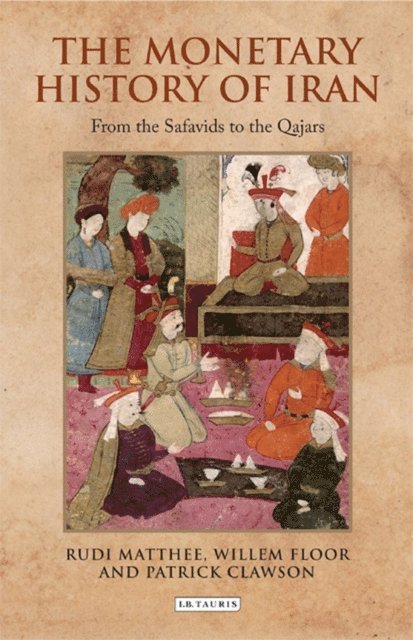
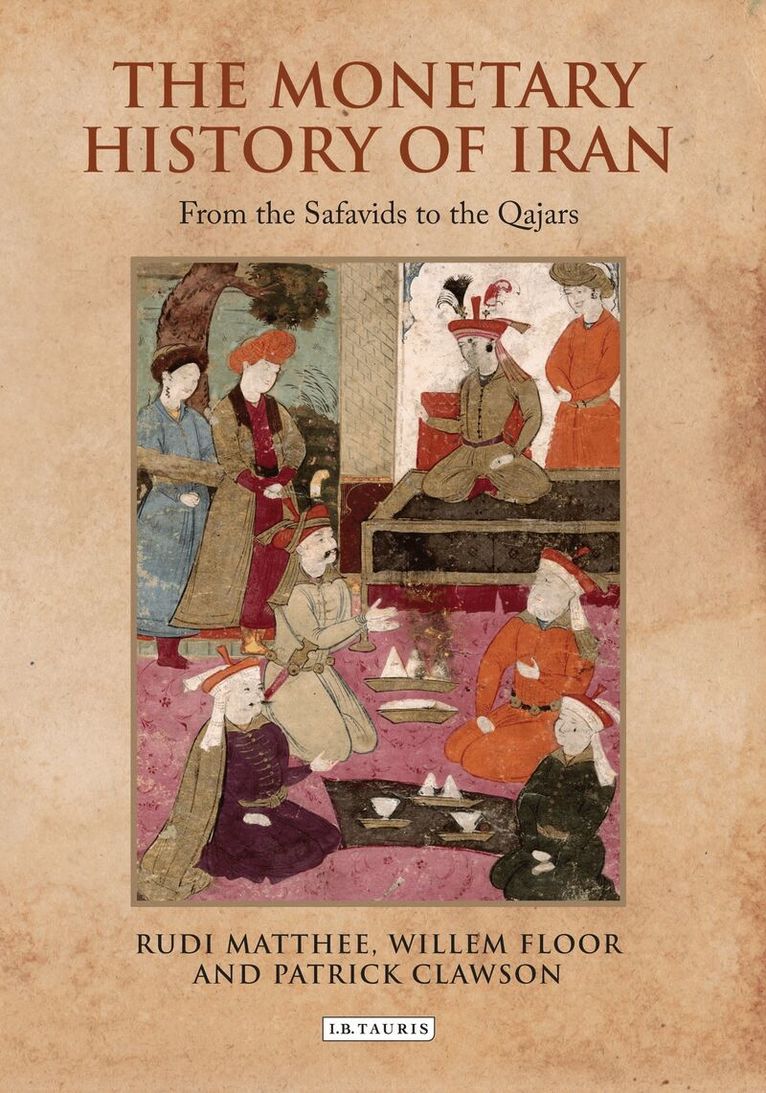
Monetary History of Iran
From the Safavids to the Qajars
Av Rudi Matthee, Willem Floor m. fl.
E-bok, 2013
1204 kr
Lägg i varukorg
The monetary history of a country provides important insights into its economic development, as well as its political and social history. This book is the first detailed study of Iran's monetary history from the advent of the Safavid dynasty in 1501 to the end of Qajar rule in 1925. Using an array …
Monetary History of Iran
From the Safavids to the Qajars
Av Rudi Matthee, Willem Floor m. fl.
E-bok, 2013
1204 kr
Lägg i varukorg
The monetary history of a country provides important insights into its economic development, as well as its political and social history. This book is the first detailed study of Iran's monetary history from the advent of the Safavid dynasty in 1501 to the end of Qajar rule in 1925. Using an array …
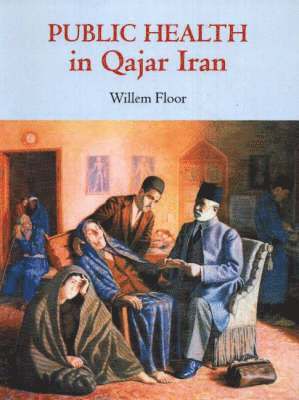
Public Health in Qajar Iran
Av Willem Floor
Häftad, 2004
456 kr
Lägg i varukorg
This book offer a broad and comprehensive survey of the state of public health, medical practice and its practitioners in 1800-1925. Based on first-hand accounts of European travellers and doctors who practised and observed medical treatment, the study provides an overview of the major diseases the …
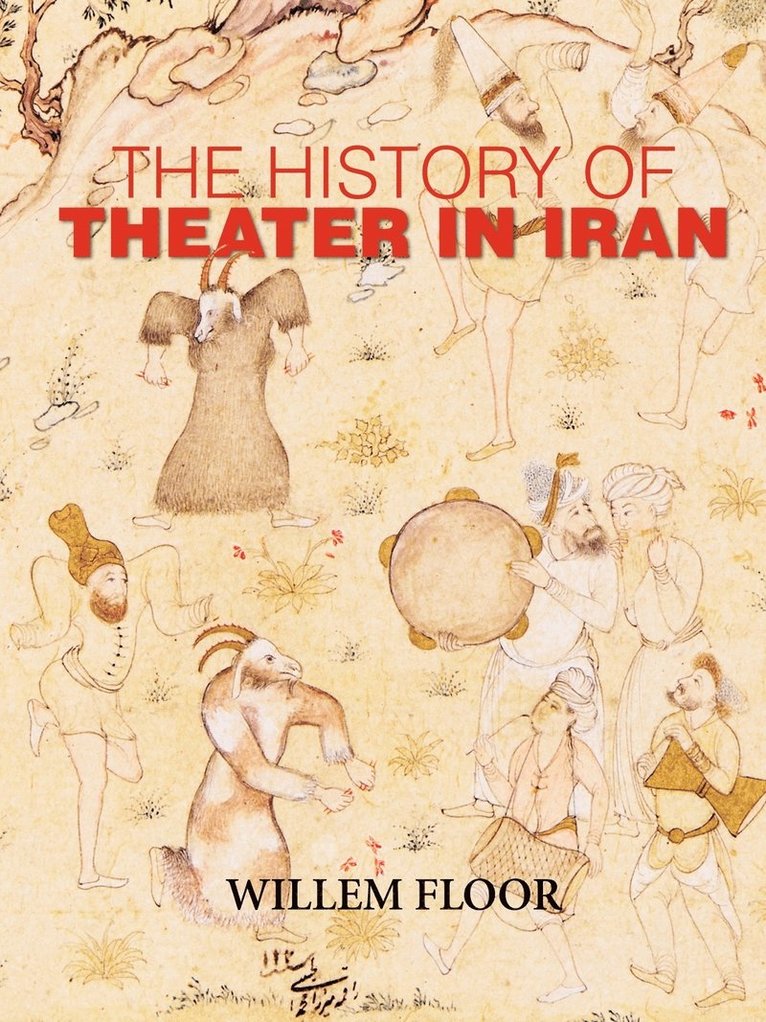
History of Theater in Iran
Av Willem Floor
Häftad, 2005
412 kr
Lägg i varukorg
Although most people do not speak of theatre and Iran in the same breath, dramatic expression has always been a fixture of Iranian culture. In traditional Iranian theatre, there was no real difference between high and low culture, although artists attached to the royal court and sponsored by the …
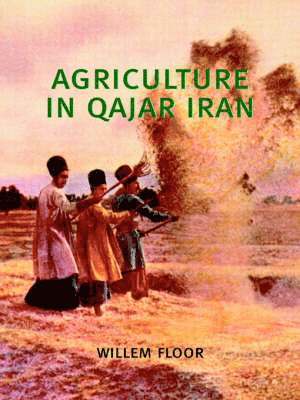
Agriculture in Qajar Iran
Av Willem Floor
Häftad, 2003
1013 kr
Lägg i varukorg
Agriculture was the mainstay of Iran's economy in the nineteenth century, yet little is known about it. Historians have rarely taken that important reality into account when writing on the economic or social history of that period, and until now there have been no comprehensive studies of Iranian …
Monetary History of Iran
From the Safavids to the Qajars
Av Rudi Matthee, Willem Floor m. fl.
Inbunden, 2013
1102 kr
Lägg i varukorg
The monetary history of a country provides important insights into its economic development, as well as its political and social history. This book is the first detailed study of Iran's monetary history from the advent of the Safavid dynasty in 1501 to the end of Qajar rule in 1925. Using an array …
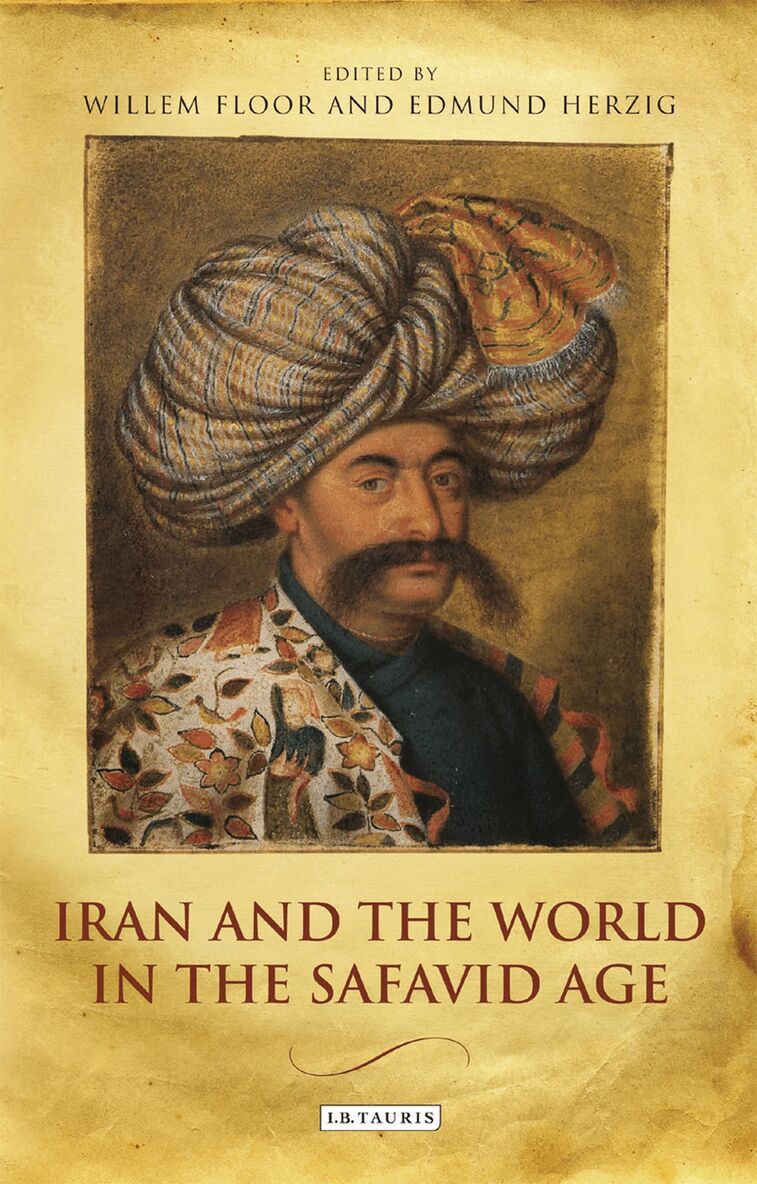
Iran and the World in the Safavid Age
Av Edmund Herzig, Willem Floor
Häftad, 2015
387 kr
Lägg i varukorg
I.B.Tauris in association with the Iran Heritage FoundationThe Safavid era is of special significance in the history of Iran. Under the Safavids - between the sixteenth and the mideighteenth century - Iran was transformed and a state emerged which was the forerunner of the Iran of today in several …
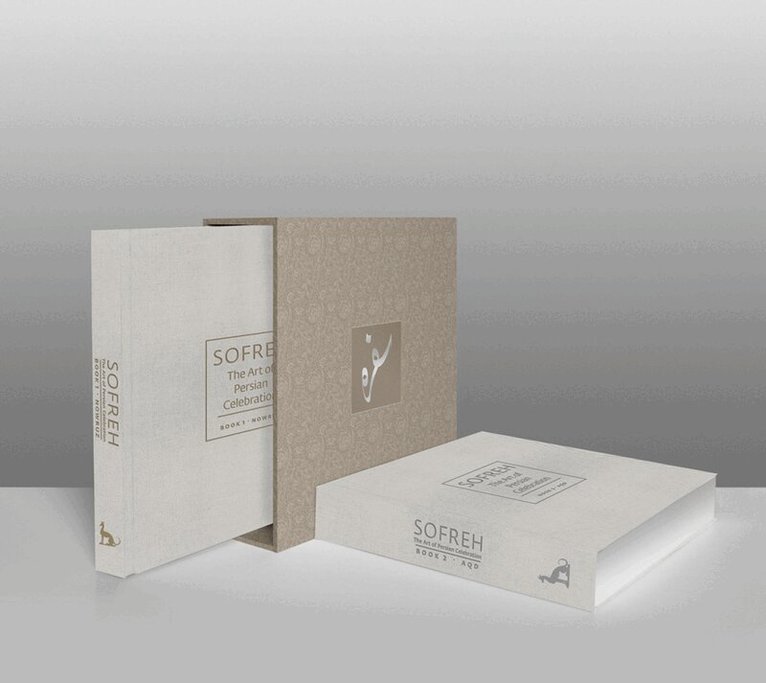
Sofreh
The Art of Persian Celebration
Av Maryam Khosrowshahi, Willem Floor m. fl.
Inbunden, 2017
924 kr
Lägg i varukorg
'Sofreh' is Persian for 'spread' - referring to the colorful arrangements of flowers, condiments and objects of spiritual or cultural importance that are displayed at Persian ceremonies. As the title promises, this book is a visual feast. Flush with lavish historical illustrations and contemporary …
Persian Gulf
A Political & Economic History of Five Port Cities 1500-1730
Av Willem Floor
Häftad, 2006
603 kr
Lägg i varukorg
Persian Gulf -- The Rise of the Gulf Arabs
The Politics of Trade on the Persian Littoral, 1747-1792
Av Willem Floor
Häftad, 2007
429 kr
Lägg i varukorg
The history of the Persian Gulf during the 18th century is still little known. This gap is now being filled by the historian and renowned scholar Willem Floor. This study tells the fascinating story of the shift in trade from the lower to the upper Gulf, while there was also a partial shift of …
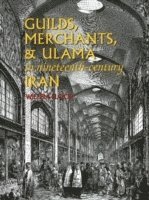
Guilds, Merchants & Ulama in Nineteenth-Century Iran
Av Willem Floor
Häftad, 2009
529 kr
Lägg i varukorg
Merchants and bankers managed much of nineteenth-century Iran's economy and finances. The ulama-clerical leaders-who considered themselves responsible for the spiritual welfare of their flock also played an important economic role, in particular, through management of religious endowments. …
Rise & Fall of Nader Shah
Dutch East India Company Reports, 1730-1747
Av Willem Floor
Häftad, 2009
529 kr
Lägg i varukorg
By any measure, Nader Shah-founder of the Afsharid Dynasty-ranks as a towering figure in Iranian history. Rising from the humblest of origins, he became a military commander of genius, restored an embattled Persia to imperial greatness, and proceeded to wield the power of the throne with a …
Persian Gulf
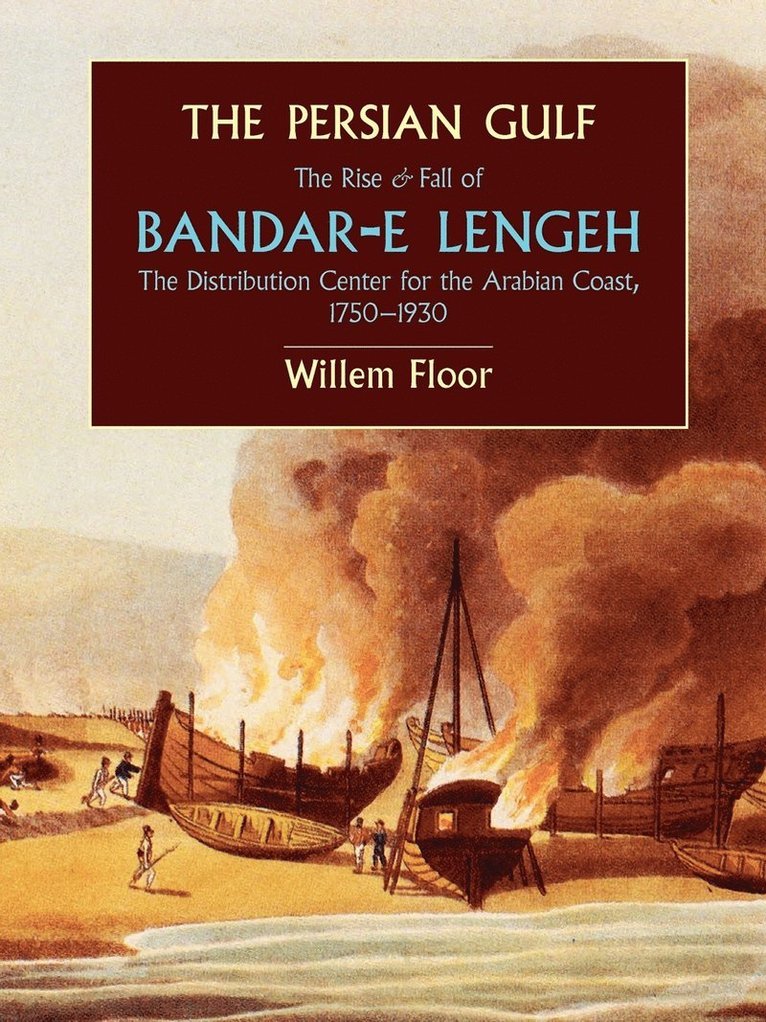
The Rise & Fall of Bandar-e Lengeh -- The Distribution Center for the Arabian Coast, 1750-1930
Av Willem Floor
Häftad, 2010
415 kr
Lägg i varukorg
A small, sleepy port in the Persian Gulf, Bandar-e Lengeh has had a varied and chequered history since its launch onto the historical scene around 1750. In those days the tribal people of the region felt at home on both sides of the Gulf and often went to wherever they thought would offer them a …
Persian Gulf
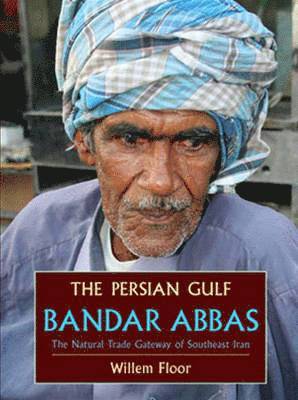
Bandar Abbas, the Natural Trade Gateway of Southeast Iran
Av Willem Floor
Häftad, 2011
590 kr
Lägg i varukorg
Bandar Abbas, once a small fishing village, became the gateway port for Iran after Shah Abbas defeated the Portuguese in 1622. However, with the fall of the Safavids and the withdrawal of the British East India Company in 1759 the port went into decline; by 1793 Bandar Abbas was under the direct …
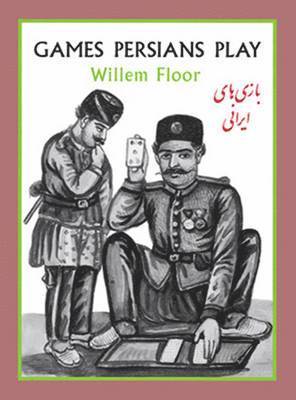
Games Persians Play
Av Willem Floor
Häftad, 2011
714 kr
Lägg i varukorg
This is a study of the history, development, and change in the games played in Iran. Iranians, young and old, rich and poor, male and female, played a large variety of games during their 2500-year history. Some games were played just to while away the time, to entertain, to keep children occupied, …
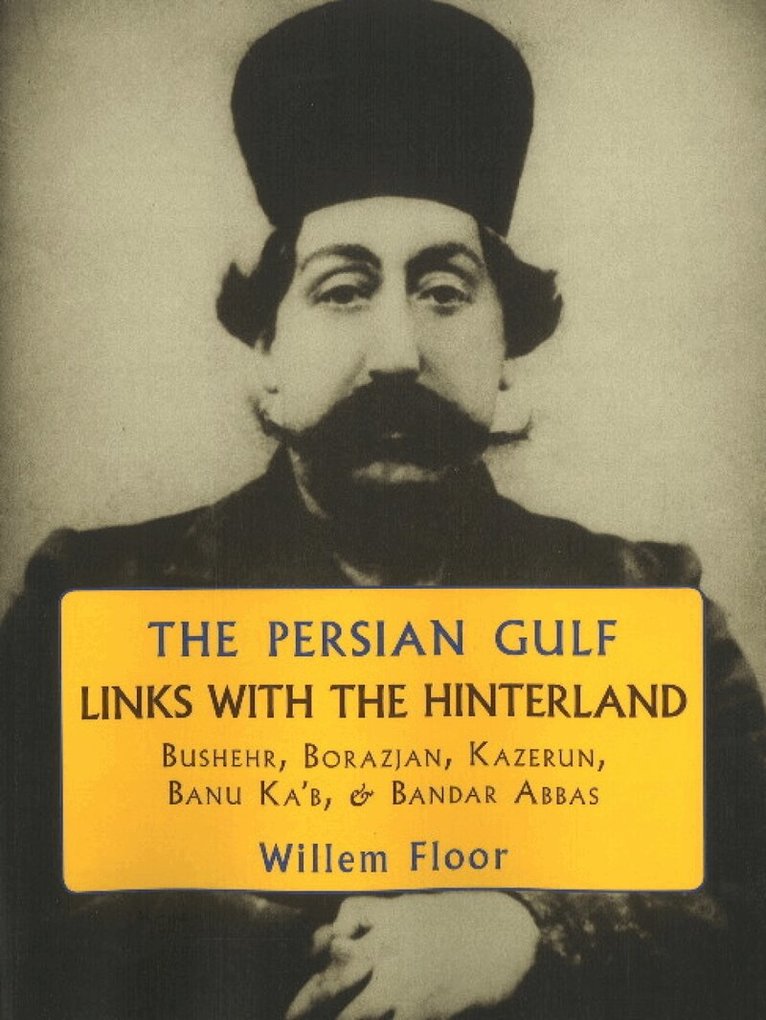
Persian Gulf -- Links with the Hinterland
Bushehr, Borazjan, Kazerun, Banu Ka'b, & Bandar Abbas
Av Willem Floor
Häftad, 2011
580 kr
Lägg i varukorg
This book focuses on two related themes: the importance of what goes on in a port city's hinterland, and, the importance of a safe and secure road that connects a port city to its markets. What happened in the port of Bushehr was influenced by events in nearby towns such as Borazjan and Kazerun, …
Man of Two Worlds
Pedros Bedik in Iran, 1670-1675
Av Pedros Bedik, Colette Ouahes m. fl.
Häftad, 2014
726 kr
Lägg i varukorg
Throughout history, many an ambitious diplomatic initiative has slipped into obscurity, but few have been so thoroughly forgotten as the efforts of a young man named Pedros Bedik to foster an alliance between two great seventeenth century powers, Persia and the Holy Roman Empire, against the mighty …
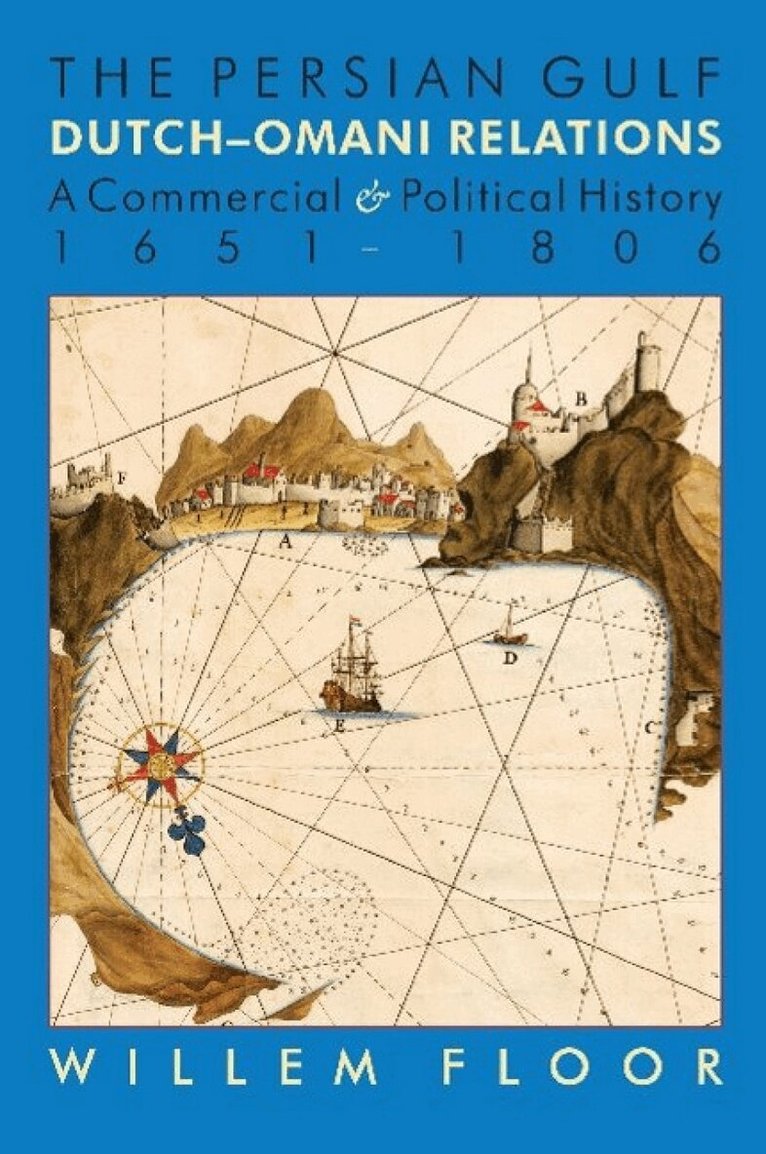
Persian Gulf -- Dutch-Omani Relations
A Commercial & Political History 1651-1806
Av Willem Floor
Inbunden, 2014
896 kr
Lägg i varukorg
Dutch relations with Oman from 1651 to 1806 were substantial and the written accounts provide the most detailed picture of the political and socio-economic situation in that country during this period. The information on Muscat in the 1670s and 1750s is unique and revealing, while the trek of the …
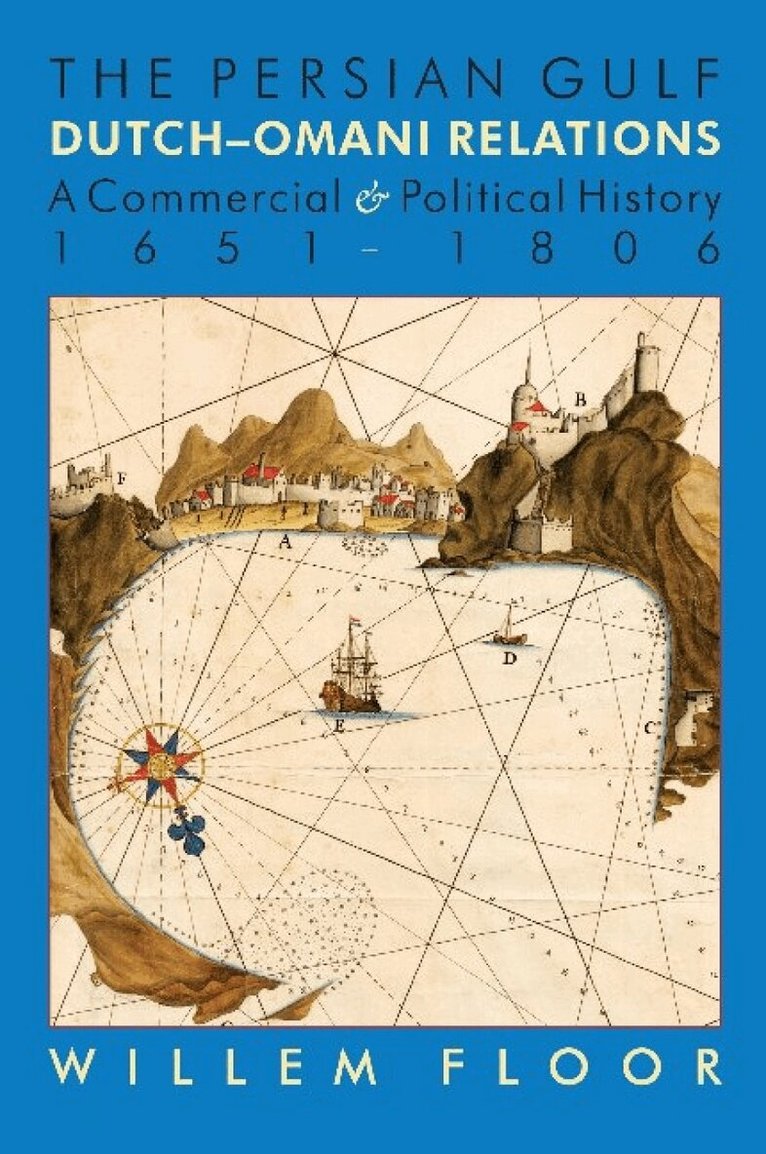
Persian Gulf -- Dutch-Omani Relations
A Commercial & Political History 1651-1806
Av Willem Floor
Häftad, 2014
586 kr
Lägg i varukorg
Dutch relations with Oman from 1651 to 1806 were substantial and the written accounts provide the most detailed picture of the political and socio-economic situation in that country during this period. The information on Muscat in the 1670s and 1750s is unique and revealing, while the trek of the …
Persian Gulf
Muscat City, Society & Trade
Av Willem Floor
Häftad, 2014
513 kr
Lägg i varukorg
Muscat, the capital city of present day Oman, has had a long, and colorful history as a typical Indian Ocean port at the mouth of the Persian Gulf. International trade brought about a rich mix of various ethnic and religious groups including, besides Arabs, Africans, Baluchis, Mekranis, Sindis, …
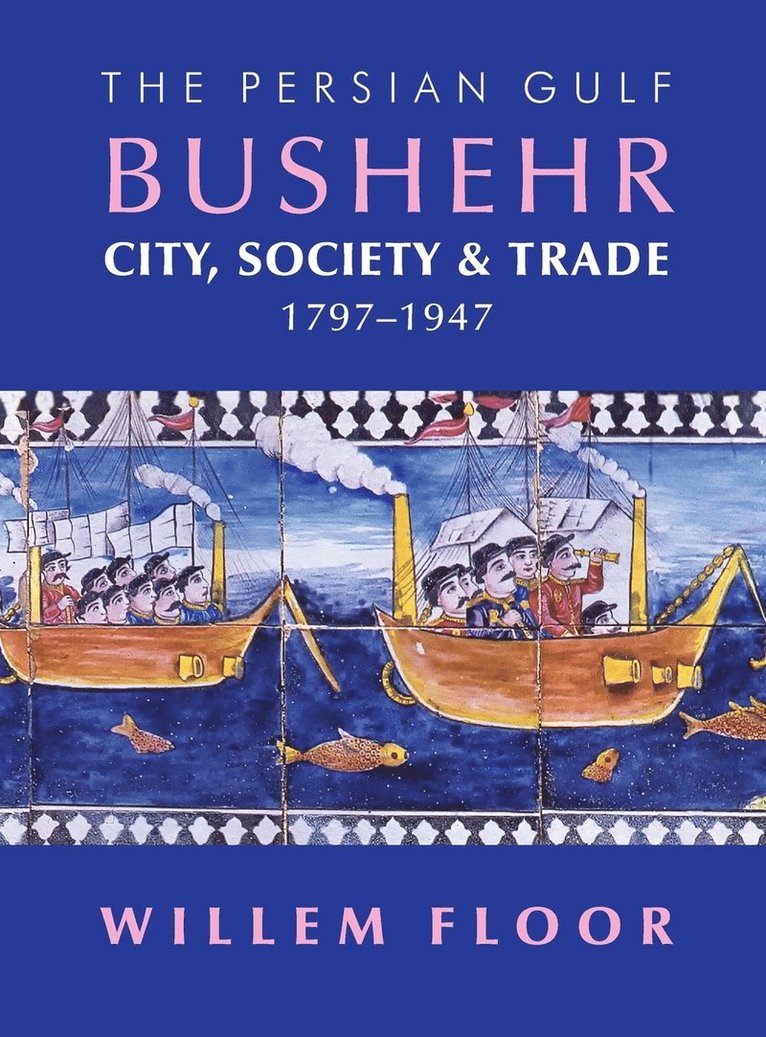
Persian Gulf -- Bushehr
City, Society, & Trade, 1797-1947
Av Willem Floor
Inbunden, 2016
1484 kr
Lägg i varukorg
This book discusses the political and economic history of the port of Bushehr, which by the end of the eighteenth century had become the gateway to southern Persia (Iran). It offers a detailed analysis of Bushehrs demography, industry, health care, education, and standard of living; as well as its …
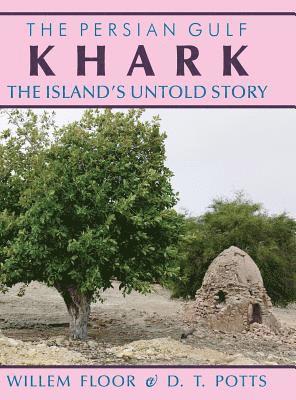
Persian Gulf
Karkh -- The Islands Untold Story
Häftad, 2017
1030 kr
Lägg i varukorg
The island of Khark was an important link in Persian Gulf navigation, supplying passing ships with water, victuals, and pilots for ships sailing to and from Basra. This was why the Arabs called Khark the Mother of Skippers (Umm al-Rubbaniyan). Through the ages, Khark has also been a place of …
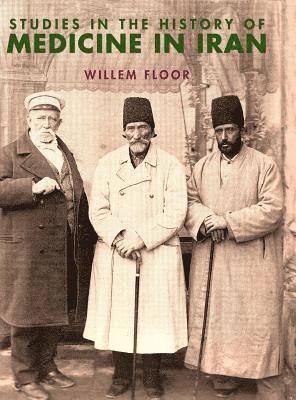
Studies in the History of Medicine in Iran
Av Willem Floor
Inbunden, 2018
939 kr
Lägg i varukorg
During the second half of the nineteenth century, in an effort to combat diseases such as the plague and cholera that spread with impunity across international borders, Iran was at the center of international politics and cooperation. The studies in this book begin with the role Iran played in the …
Salar al-Dowleh
A Delusional Prince and Wannabe Shah
Av Willem Floor
Häftad, 2018
621 kr
Lägg i varukorg
Salar al-Dowleh, the madcap prince and serial rebel, was a reflection of the unsettled political times during the early 1900s when Iranian society was trying to find its way toward a more democratic society. This is also clear from Salar al-Dowleh’s “career.” He was first courted by the democrats, …
Karmanshah
City and Province, 1800-1945
Av Willem Floor
Inbunden, 2018
1579 kr
Lägg i varukorg
Kermanshah was one of the most important commercial gateways to Iran and a crucial transit station on the trade route between Iraq and Iran. It was also a gathering point for pilgrims going to and coming back from the holy shrines of Kerbela and Najaf. Whats more, from 1920 to 1925, it was the …
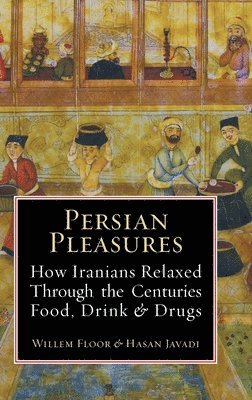
Persian Pleasures
How Iranian Relaxed Through the Centuries with Food, Drink and Drugs
Inbunden, 2019
896 kr
Lägg i varukorg
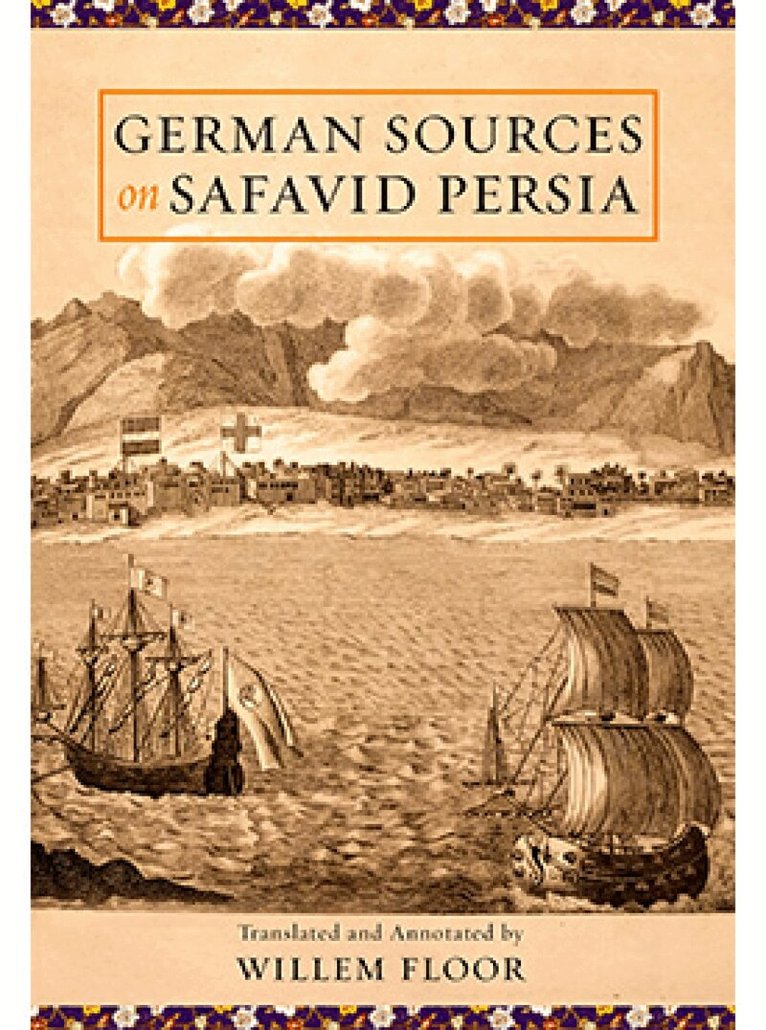
German Sources on Safavid Persia
Av Willem Floor
Inbunden, 2020
1557 kr
Lägg i varukorg
For this book, Willem Floor has selected and translated into English thirteen German sources reporting on events in Iran from 1580 to 1722. One of these sources has never been published before; four of them are complete books, while the others only have sections dealing with Iran. Most of these …
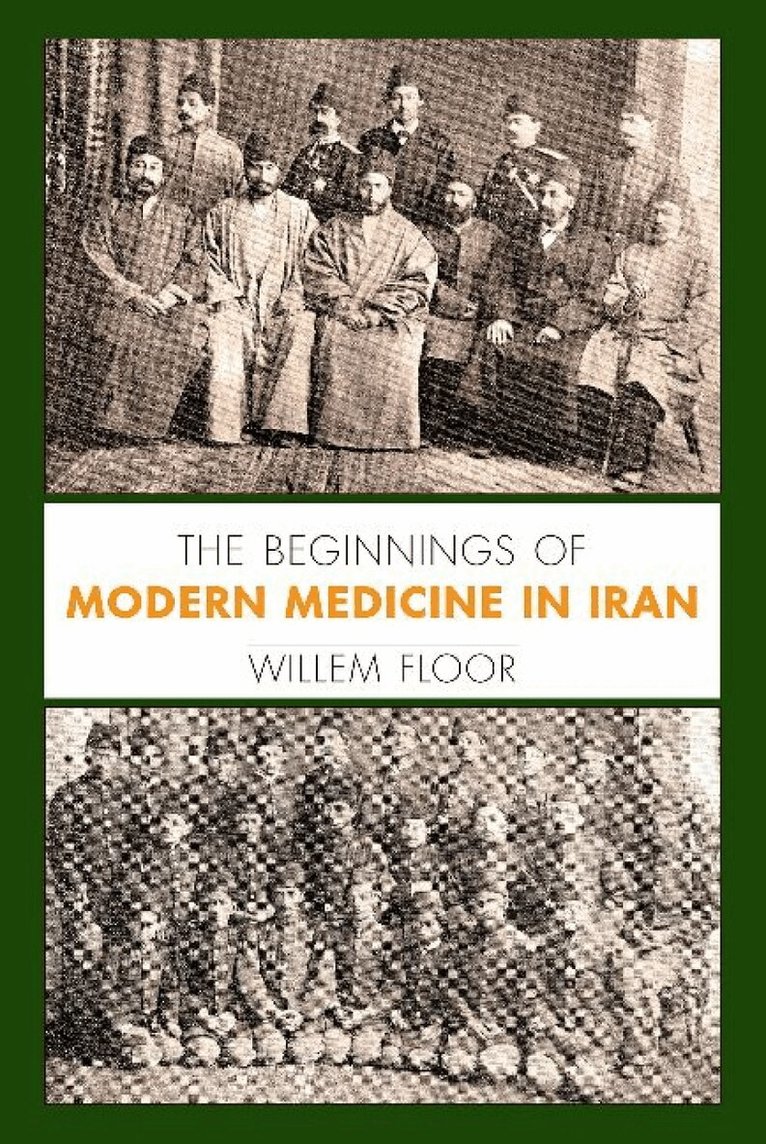
Beginnings of Modern Medicine in Iran
Av Willem Floor
Inbunden, 2020
823 kr
Lägg i varukorg
Not much has been written about the early beginnings of modern medicine in Iran. With this book, renowned scholar Willem Floor, who has written more than fifty books on Irans history and culture, corrects this lacuna. He details the development of the education of modern physicians starting in the …