Ari Larissa Heinrich – författare
Visar alla böcker från författaren Ari Larissa Heinrich. Handla med fri frakt och snabb leverans.
9 produkter
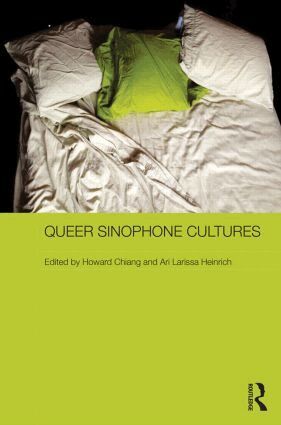
Queer Sinophone Cultures
Av Howard Chiang, Ari Larissa Heinrich
Inbunden, 2013
2510 kr
Lägg i varukorg
The Sinophone framework emphasises the diversity of Chinese-speaking communities and cultures, and seeks to move beyond a binary model of China and the West. Indeed, this strikingly resembles attempts within the queer studies movement to challenge the dimorphisms of sex and gender. Bringing …
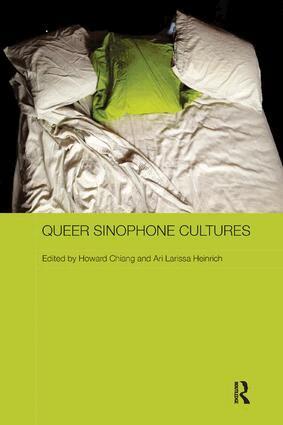
Queer Sinophone Cultures
Av Howard Chiang, Ari Larissa Heinrich
Häftad, 2017
793 kr
Lägg i varukorg
The Sinophone framework emphasises the diversity of Chinese-speaking communities and cultures, and seeks to move beyond a binary model of China and the West. Indeed, this strikingly resembles attempts within the queer studies movement to challenge the dimorphisms of sex and gender. Bringing …
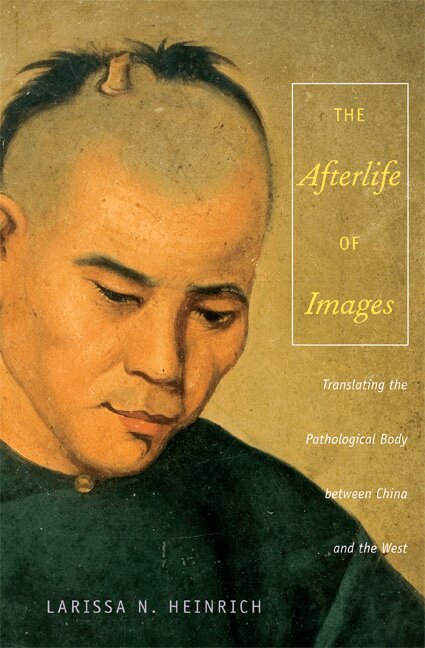
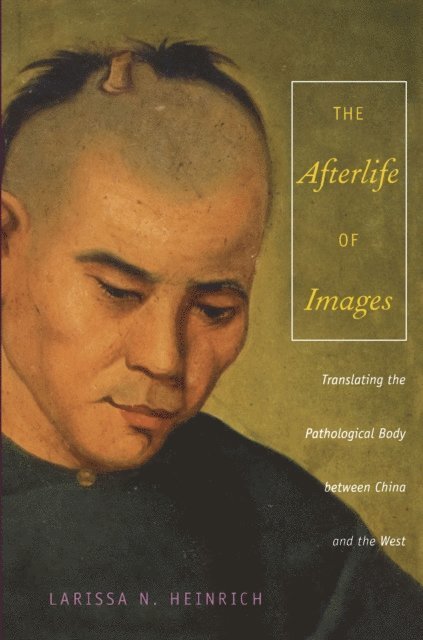
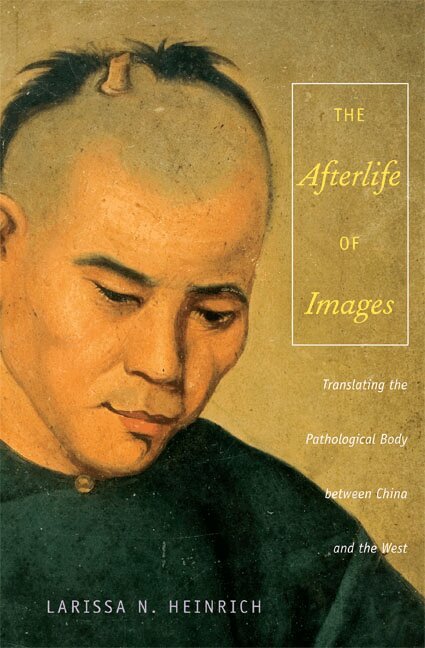
Afterlife of Images
Translating the Pathological Body Between China and the West
Häftad, 2008
353 kr
Lägg i varukorg
In 1739 China’s emperor authorized the publication of a medical text that included images of children with smallpox to aid in the diagnosis and treatment of the disease. Those images made their way to Europe, where they were interpreted as indicative of the ill health and medical backwardness of …
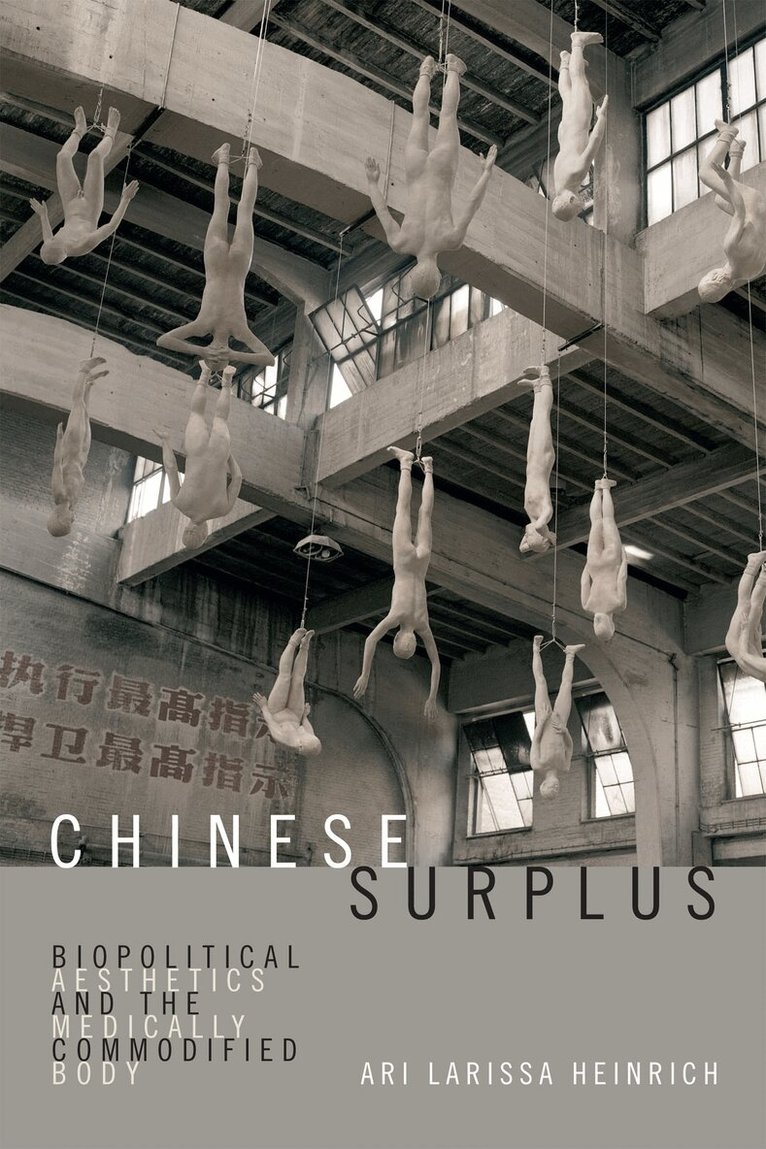
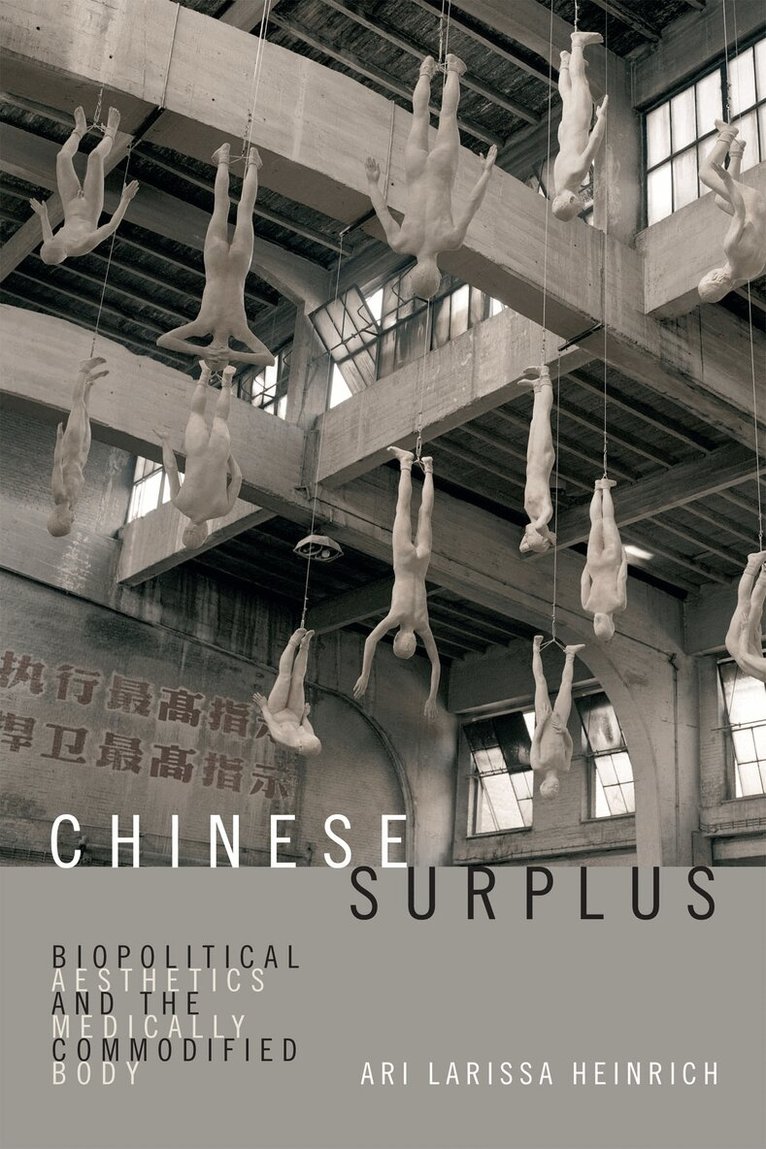
Chinese Surplus
Biopolitical Aesthetics and the Medically Commodified Body
Inbunden, 2018
1620 kr
Lägg i varukorg
What happens when the body becomes art in the age of biotechnological reproduction? In Chinese Surplus Ari Larissa Heinrich examines transnational Chinese aesthetic production to demonstrate how representations of the medically commodified body can illuminate the effects of biopolitical violence …
Chinese Surplus
Biopolitical Aesthetics and the Medically Commodified Body
Häftad, 2018
396 kr
Lägg i varukorg
What happens when the body becomes art in the age of biotechnological reproduction? In Chinese Surplus Ari Larissa Heinrich examines transnational Chinese aesthetic production to demonstrate how representations of the medically commodified body can illuminate the effects of biopolitical violence …
Afterlife of Images
Translating the Pathological Body between China and the West
E-bok, 2008
537 kr
Lägg i varukorg
In 1739 China’s emperor authorized the publication of a medical text that included images of children with smallpox to aid in the diagnosis and treatment of the disease. Those images made their way to Europe, where they were interpreted as indicative of the ill health and medical backwardness of …
Queer Sinophone Cultures
Av Ari Larissa Heinrich, Howard Chiang
E-bok, 2013
1075 kr
Lägg i varukorg
The Sinophone framework emphasises the diversity of Chinese-speaking communities and cultures, and seeks to move beyond a binary model of China and the West. Indeed, this strikingly resembles attempts within the queer studies movement to challenge the dimorphisms of sex and gender. Bringing …
Queer Sinophone Cultures
Av Ari Larissa Heinrich, Howard Chiang
E-bok, 2013
1052 kr
Lägg i varukorg
The Sinophone framework emphasises the diversity of Chinese-speaking communities and cultures, and seeks to move beyond a binary model of China and the West. Indeed, this strikingly resembles attempts within the queer studies movement to challenge the dimorphisms of sex and gender. Bringing …
Afterlife of Images
Translating the Pathological Body Between China and the West
Inbunden, 2008
1303 kr
Tillfälligt slut
In 1739 China’s emperor authorized the publication of a medical text that included images of children with smallpox to aid in the diagnosis and treatment of the disease. Those images made their way to Europe, where they were interpreted as indicative of the ill health and medical backwardness of …