Arianne Hartsell-Gundy - Böcker
Visar alla böcker från författaren Arianne Hartsell-Gundy. Handla med fri frakt och snabb leverans.
4 produkter
4 produkter
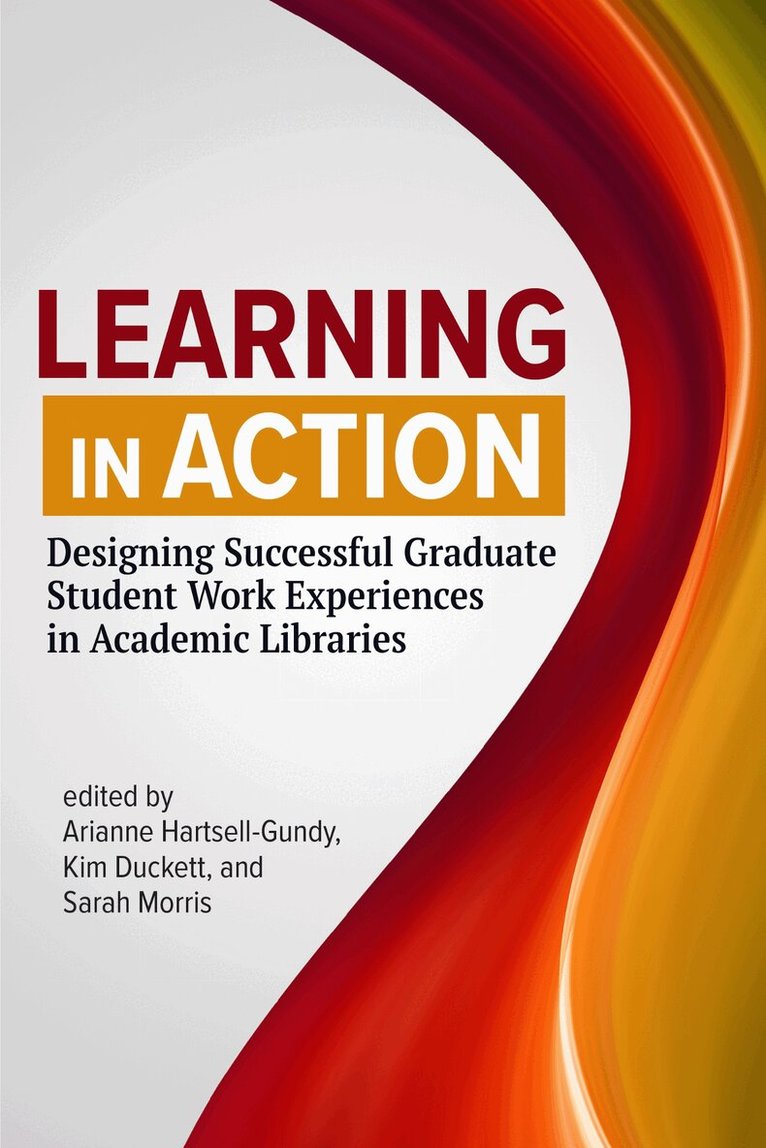
Learning in Action
Designing Successful Graduate Student Work Experiences in Academic Libraries
Häftad, Engelska, 2022
900 kr
Skickas inom 7-10 vardagar
How do you supervise a graduate student working in a library—and not just adequately, but well? What is a valuable and meaningful work experience? How can libraries design more equitable and ethical positions for students?Learning in Action: Designing Successful Graduate Student Work Experiences in Academic Libraries provides practical, how-to guidance on creating and managing impactful programs as well as meaningful personal experiences for students and library staff in academic libraries. Fourteen chapters are divided into four thorough sections:Creating Access PathwaysDeveloping, Running, and Evolving Programs for LIS StudentsWorking with Graduate Students without an LIS Background: Mutual Opportunities for GrowthCentering the Person Chapters cover topics including developing experiential learning opportunities for online students; cocreated cocurricular graduate learning experiences; an empathy-driven approach to crafting an internship; self-advocacy and mentorship in LIS graduate student employment; and sharing perspectives on work and identity between a graduate student and an academic library manager. Throughout the book you’ll find “Voices from the Field,” profiles that showcase the voices and reflections of the graduate students themselves, recent graduates, and managers. Learning in Action brings together a range of topics and perspectives from authors of diverse backgrounds and institutions to offer practical inspiration and a framework for creating meaningful graduate student work experiences at your institutions.
1 391 kr
Skickas inom 10-15 vardagar
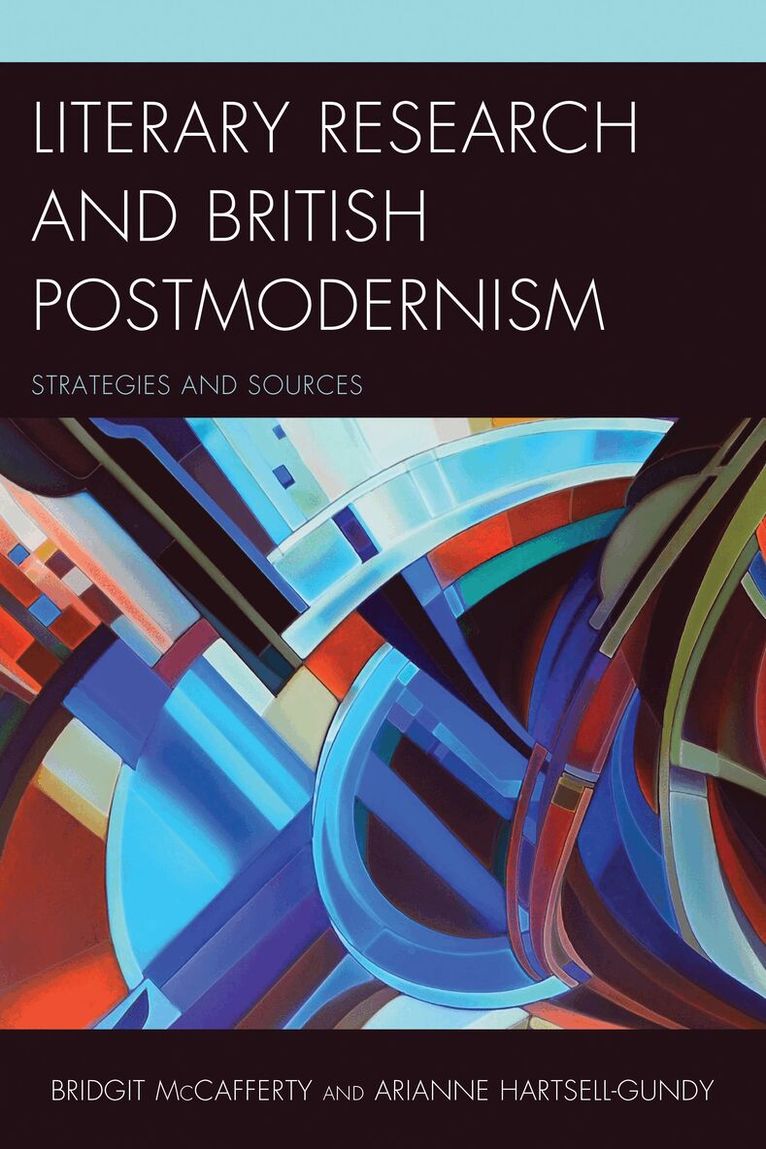
Literary Research and British Postmodernism is a guide for scholars that aims to connect the complex relationships between print and multimedia, technological advancements, and the influence of critical theory that converge in postwar British literature. This era is unique in that strict boundaries between fiction, nonfiction, multimedia and print are not useful. Postmodern literature is defined by the breaking down of boundaries as a reaction to modernism and requires an innovative, multifaceted approach to research. In this guide the authors explore these complex relationships and offer strategies for researching this new period of literature.This book takes a holistic approach to postmodern literature that recognizes the way in which digital media, film, critical theory, popular music and more traditional print sources are inextricably linked. Through this approach, the authors present a broad view of “postmodernism” that includes a wide variety of British authors writing in the last half of the twentieth century. The book’s definition of “postmodern” includes any British literature following World War II that engages issues central to postmodern theory, including the social construction of gender, sexuality, and power; the subjectivity of truth; technology as a social force; intertextuality; metafiction; post-colonial narrative; and fantasy. This guide aims to aid researchers of postwar British literature by defining best practices for scholars conducting research in a period so broadly varied in the way it defines literature.
776 kr
Skickas inom 10-15 vardagar
Literary Research and British Postmodernism is a guide for scholars that aims to connect the complex relationships between print and multimedia, technological advancements, and the influence of critical theory that converge in postwar British literature. This era is unique in that strict boundaries between fiction, nonfiction, multimedia and print are not useful. Postmodern literature is defined by the breaking down of boundaries as a reaction to modernism and requires an innovative, multifaceted approach to research. In this guide the authors explore these complex relationships and offer strategies for researching this new period of literature.This book takes a holistic approach to postmodern literature that recognizes the way in which digital media, film, critical theory, popular music and more traditional print sources are inextricably linked. Through this approach, the authors present a broad view of “postmodernism” that includes a wide variety of British authors writing in the last half of the twentieth century. The book’s definition of “postmodern” includes any British literature following World War II that engages issues central to postmodern theory, including the social construction of gender, sexuality, and power; the subjectivity of truth; technology as a social force; intertextuality; metafiction; post-colonial narrative; and fantasy. This guide aims to aid researchers of postwar British literature by defining best practices for scholars conducting research in a period so broadly varied in the way it defines literature.
770 kr
Skickas inom 7-10 vardagar
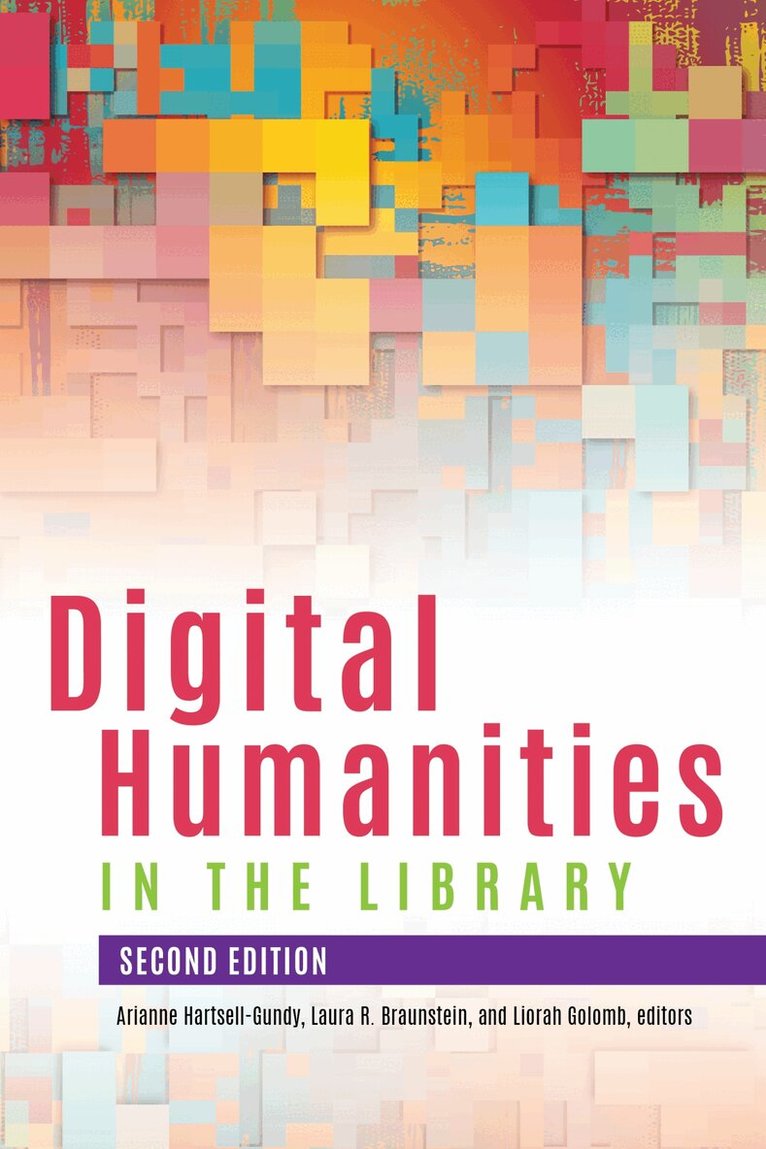
The field of digital humanities—and the way in which libraries and library workers support and engage with it—continues to expand and evolve with technological innovations and global and national events that have had a large-scale impact on the world. There are productive new ways to interrogate and expand the meaning of digital humanities and the contributions of subject specialists, digital scholarship center directors, user experience experts, special collections librarians, and technical specialists. This revised and expanded edition of 2015’s Digital Humanities in the Library includes key reprints from the first edition and new chapters that explore digital humanities and diversity, inclusion, and equity; issues of labor, precarity, and infrastructure; scholarly communication and taxonomies of credit; long-term sustainability; and library digital humanities in the age of institutional austerity. Divided into sections on theory and practice, chapter authors work in a variety of institution types in many different roles and offer ideas and strategies for cross-institutional collaborations and new approaches to the digital humanities work being done. As Paige Morgan says in the foreword, “Any digital humanist who can enthuse about data can also tell you that computers alone cannot do the work—you need the thoughtfulness of a human expert to find the way forward. This collection can help us do that.”