Inbunden, Engelska, 2027
328 kr
Kommande
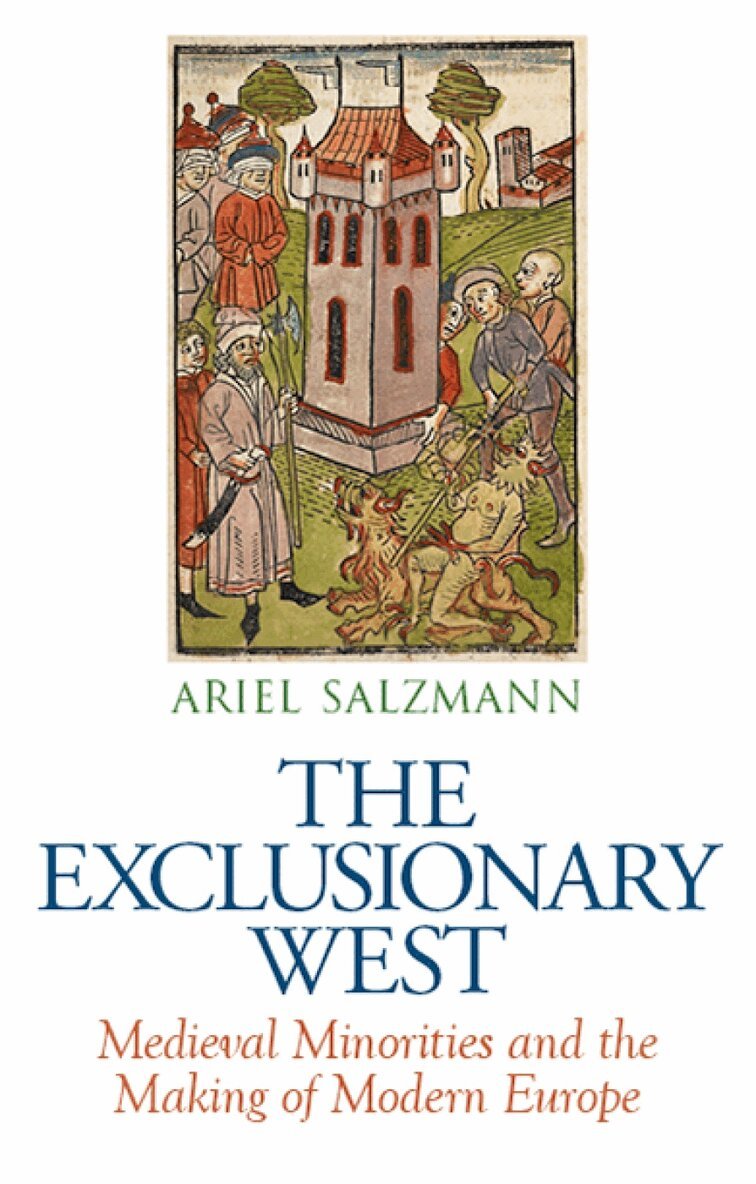
Anti-Semitism and Islamophobia are on the rise in twenty-first-century Europe, but these notions of the malevolent, conspiring Jew or Muslim are far more than a medieval trope. Over the last millennium, deep currents of exclusion have shaped not only modern relationships between majorities and minorities, but the distinctive Western relationship between state and society. This volume asks an important question: why is it that, in a period when Europe's Islamic south and Catholic and Orthodox east remained home to religiously diverse communities, the Western fringes of Latin Christendom instead rid themselves of Jews and Muslims, through exploitation, mass murder, deportations and enslavement? Ariel Salzmann identifies the intersecting structural and sociological roots of this peculiarly Western approach, from rapid consolidation of secular polities and commercial markets in the Crusades era; to the ideology and practice of ritualised, politicised violence against minorities; to distinctive forms of economic protectionism arising from the use of minorities and their resources as bargaining chips. 'The Exclusionary West' shows that the medieval exclusion of minorities is bound up with the very foundation of Western European nation-states, informing the basic rights of civil citizenship and shaping Western ideas of identity and belonging. These legacies retain their insidious but potent power today.