Aristides Baltas – författare
Visar alla böcker från författaren Aristides Baltas. Handla med fri frakt och snabb leverans.
6 produkter
Scientific Controversies
Philosophical and Historical Perspectives
Av Peter Machamer, Marcello Pera m. fl.
Inbunden, 2000
3040 kr
Lägg i varukorg
Traditionally it has been thought that scientific controversies can always be resolved on the basis of empirical data. Recently, however, social constructionists have claimed that the outcome of scientific debates is strongly influenced by non-evidential factors such as the rhetorical prowess and …
Reframing the Conceptual Change Approach in Learning and Instruction
Av Stella Vosniadou, Aristides Baltas m. fl.
Inbunden, 2007
1213 kr
Lägg i varukorg
Drawing from philosophical, historical, and psychological research, this book redefines conceptual change as it applies to learning and instruction. Divided into three sections, this book addresses: foundations of conceptual change research, examines the influence that personal beliefs have on …
Scientific Controversies
Philosophical and Historical Perspectives
Av Aristides Baltas, Marcello Pera m. fl.
E-bok, 2000
1375 kr
Lägg i varukorg
Traditionally it has been thought that scientific controversies can always be resolved on the basis of empirical data. Recently, however, social constructionists have claimed that the outcome of scientific debates is strongly influenced by non-evidential factors such as the rhetorical prowess and …
Scientific Controversies
Philosophical and Historical Perspectives
Av Aristides Baltas, Marcello Pera m. fl.
E-bok, 2000
1375 kr
Lägg i varukorg
Traditionally it has been thought that scientific controversies can always be resolved on the basis of empirical data. Recently, however, social constructionists have claimed that the outcome of scientific debates is strongly influenced by non-evidential factors such as the rhetorical prowess and …
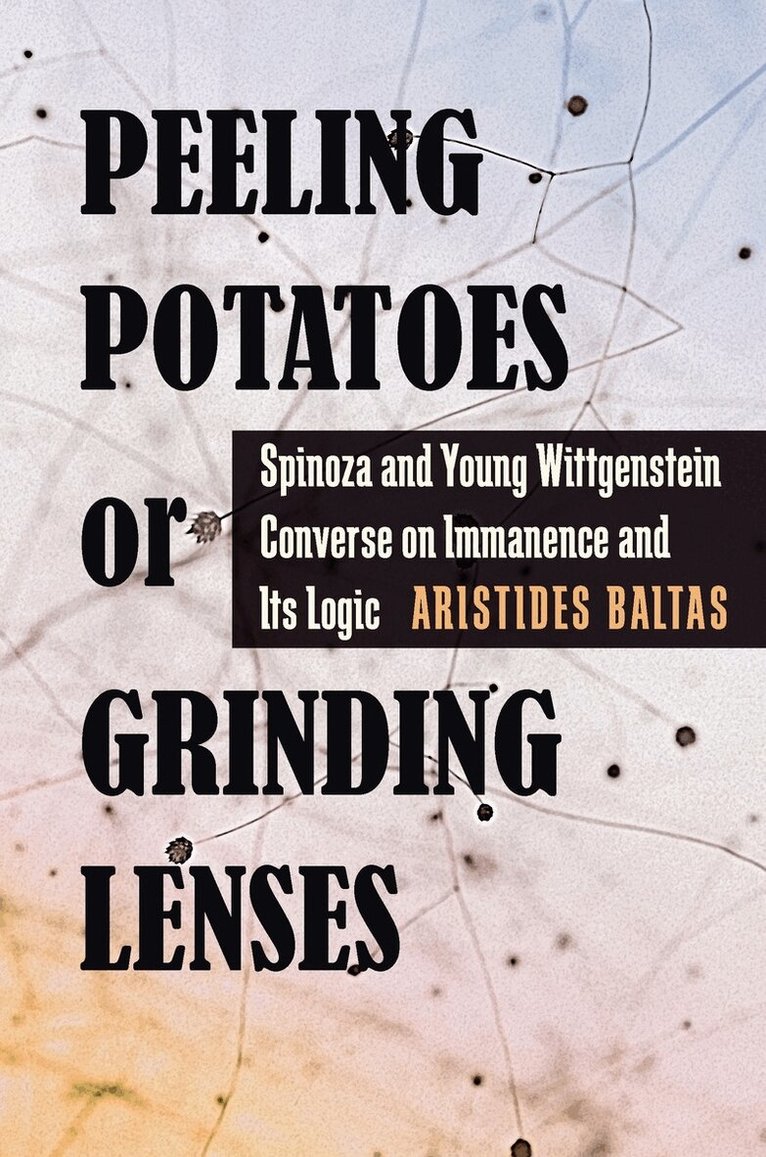
Peeling Potatoes or Grinding Lenses
Spinoza and Young Wittgenstein Converse on Immanence and Its Logic
Häftad, 2025
502 kr
Lägg i varukorg
"I can work best now while peeling potatoes. . . . It is for me what lens-grinding was for Spinoza."—L. WittgensteinMore than 250 years separate the publication of Baruch Spinoza's Ethics and Ludwig Wittgenstein's Tractatus Logico-Philosophicus. Both are considered monumental philosophical …
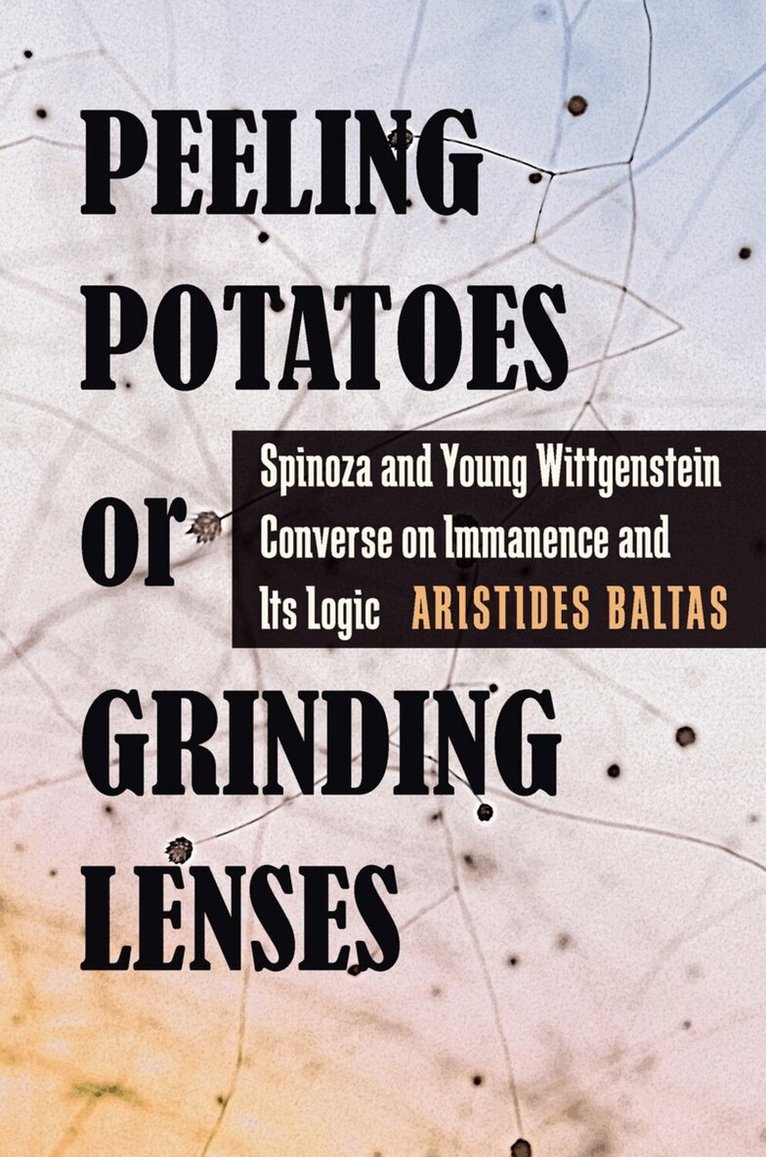
Peeling Potatoes or Grinding Lenses
Spinoza and Young Wittgenstein Converse on Immanence and Its Logic
Inbunden, 2012
848 kr
Tillfälligt slut
"I can work best now while peeling potatoes. . . . It is for me what lens-grinding was for Spinoza."—L. WittgensteinMore than 250 years separate the publication of Baruch Spinoza's Ethics and Ludwig Wittgenstein's Tractatus Logico-Philosophicus. Both are considered monumental philosophical …