Arjun Subrahmanyan - Böcker
Visar alla böcker från författaren Arjun Subrahmanyan. Handla med fri frakt och snabb leverans.
4 produkter
4 produkter
581 kr
Skickas inom 10-15 vardagar
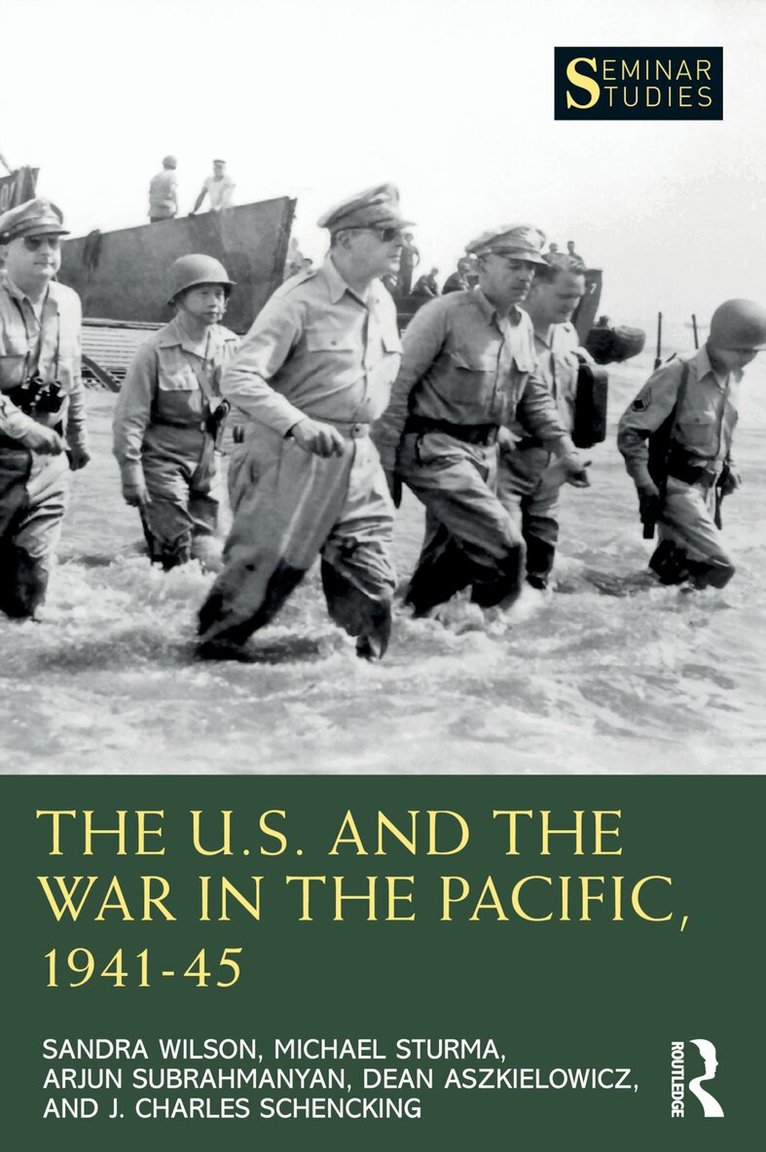
The U.S. and the War in the Pacific, 1941-45 analyzes the Pacific War with a focus on America’s participation in the conflict.Fought over a great ocean and vast battlefields using the most sophisticated weapons available, the Pacific War transformed the modern world. Not only did it introduce the atomic bomb to the world, it also reshaped relations among nations and the ways in which governments dealt with their own peoples, changed the balance of power in the Pacific in fundamental ways, and helped to spark nationalist movements throughout Asia. This book examines the strategies, technologies, intelligence capabilities, home-front mobilization, industrial production, and resources that ultimately enabled the United States and its allies to emerge victorious. Major themes include the impact of war, conceptions of race, Japanese perspectives on the conflict, and America’s relations with its allies. Using primary documents, maps, and concise writing, this book provides students with an accessible introduction to an important period in history.Incorporating recent scholarship and conflicting interpretations, the book provides an insightful overview of the topic for students of modern American history, World War II, and the Asia Pacific.
1 966 kr
Skickas inom 10-15 vardagar
The U.S. and the War in the Pacific, 1941-45 analyzes the Pacific War with a focus on America’s participation in the conflict.Fought over a great ocean and vast battlefields using the most sophisticated weapons available, the Pacific War transformed the modern world. Not only did it introduce the atomic bomb to the world, it also reshaped relations among nations and the ways in which governments dealt with their own peoples, changed the balance of power in the Pacific in fundamental ways, and helped to spark nationalist movements throughout Asia. This book examines the strategies, technologies, intelligence capabilities, home-front mobilization, industrial production, and resources that ultimately enabled the United States and its allies to emerge victorious. Major themes include the impact of war, conceptions of race, Japanese perspectives on the conflict, and America’s relations with its allies. Using primary documents, maps, and concise writing, this book provides students with an accessible introduction to an important period in history.Incorporating recent scholarship and conflicting interpretations, the book provides an insightful overview of the topic for students of modern American history, World War II, and the Asia Pacific.
611 kr
Skickas inom 3-6 vardagar
Describes the profound social impact of the overthrow of the Thai absolute monarchy in 1932, and explains the importance of democracy in a country long known for authoritarian politics.Thailand's monarchy and military have dominated the narrative of the country's modern history, and their leadership is often accepted as evidence of a cultural preference for authoritarianism. Despite a long history of military coups that have upended the course of the country's democracy, however, Thailand's democratic history is a vital though largely ignored aspect of modern Thai society. Based on extensive archival research, Amnesia delves into the social and political beginnings of Thai democracy and explains how a bloodless revolution against the monarchy in 1932 introduced a constitutional democracy and ignited enduring hopes for a fairer society and a more representative government. The "People's Party," a small group of commoners who staged the revolution in the name of democracy, found an enthusiastic audience for their bold populist rhetoric among wide swathes of society. In Amnesia, Arjun Subrahmanyan illustrates how the idealism of the first decade of Thai democracy, now largely forgotten, still shapes Thai society.
1 499 kr
Skickas inom 3-6 vardagar
Describes the profound social impact of the overthrow of the Thai absolute monarchy in 1932, and explains the importance of democracy in a country long known for authoritarian politics.Thailand's monarchy and military have dominated the narrative of the country's modern history, and their leadership is often accepted as evidence of a cultural preference for authoritarianism. Despite a long history of military coups that have upended the course of the country's democracy, however, Thailand's democratic history is a vital though largely ignored aspect of modern Thai society. Based on extensive archival research, Amnesia delves into the social and political beginnings of Thai democracy and explains how a bloodless revolution against the monarchy in 1932 introduced a constitutional democracy and ignited enduring hopes for a fairer society and a more representative government. The "People's Party," a small group of commoners who staged the revolution in the name of democracy, found an enthusiastic audience for their bold populist rhetoric among wide swathes of society. In Amnesia, Arjun Subrahmanyan illustrates how the idealism of the first decade of Thai democracy, now largely forgotten, still shapes Thai society.