Arthur A. Demarest - Böcker
Visar alla böcker från författaren Arthur A. Demarest. Handla med fri frakt och snabb leverans.
6 produkter
6 produkter
590 kr
Skickas inom 7-10 vardagar
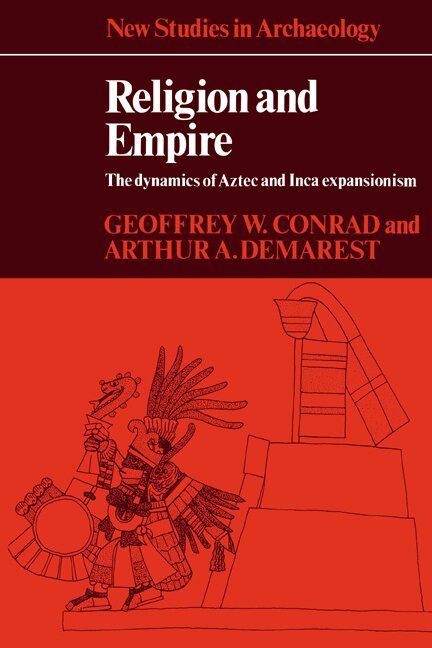
Religion and Empire is an innovative and provocative study of the two largest states of the Precolumbian Americas, the Aztec and Inca Empires. By examining the causes of the formation and expansion of these two empires, the authors identify similar patterns and processes underlying their rise and decline. They demonstrate that in both examples among the critical elements in the transition from marginal people to imperial power to disintegrating society were changes in traditional religion, including the elaboration of Aztec human sacrifice and Inca worship of the corpses of their kings. The authors show that the complex interaction between such ideological shifts and political and economic factors generated the spectacular historical trajectories of these Pre-Colombian empires.
Real Business of Ancient Maya Economies
From Farmers' Fields to Rulers' Realms
Inbunden, Engelska, 2020
1 391 kr
Skickas inom 10-15 vardagar
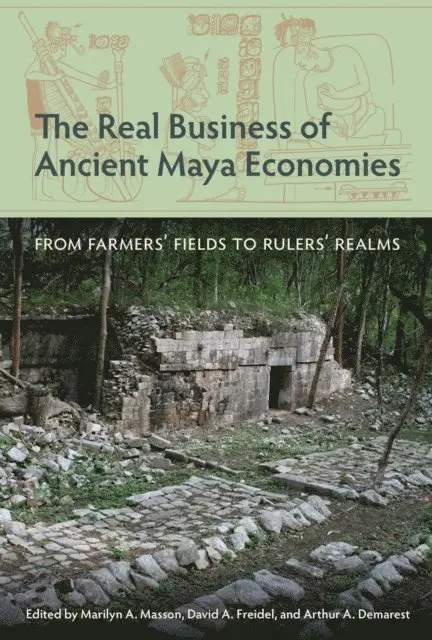
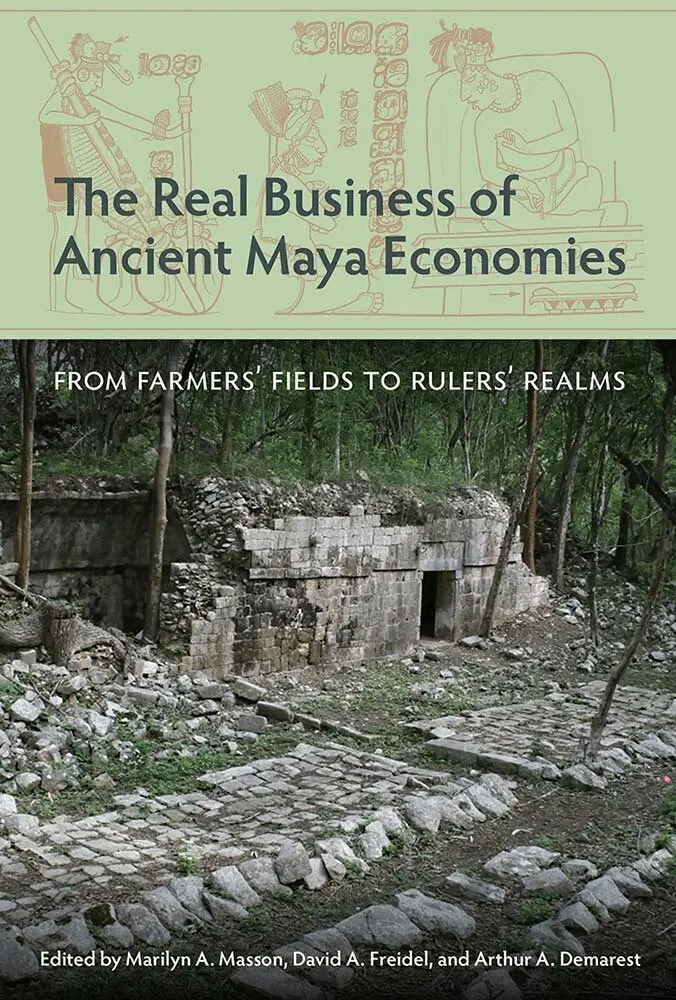
A timely synthesis of the latest research and perspectives on ancient Maya economics, this volume illuminates the sophistication and intricacy of economic systems in the Preclassic, Classic, and Postclassic periods. Contributors from a wide range of disciplines move beyond paradigms of elite control and centralized exchange to focus on individual agency, highlighting production and exchange that took place at all levels of society. Case studies draw on new archaeological evidence from rural households and urban marketplaces to reconstruct the trade networks for tools, ceramics, obsidian, salt, and agricultural goods throughout the empire. They also describe the ways household production integrated with community, regional, and interregional markets. Redirecting the field of ancient Maya economic studies away from simplistic characterizations of the past by fully representing the range of current views on the subject, this volume delves deeply into multiple facets of a complex, interdependent material world. A volume in the series Maya Studies, edited by Diane Z. Chase and Arlen F. Chase
Petexbatun Regional Archaeological Project
A Multidisciplinary Study of the Maya Collapse
Inbunden, Engelska, 2006
1 164 kr
Skickas inom 5-8 vardagar
This overview and introduction to the multi-volume ""Petexbatun"" project series describes the objectives, structure, personnel, and major findings of the seven-year multidisciplinary investigation. The previous research, issues, and problem-orientation of the project are reviewed, and an unusually frank history of the 1989-1996 field investigations is presented. Final results of the dozen ""Petexbatun"" subprojects are previewed, including summaries of site-specific studies of centers and subordinate kingdoms and the regional disciplinary subprojects exploring osteology, ecology, faunal studies, ceramics, epigraphic history, settlement patterns, defensive systems, caves, and other aspects of Classic period civilization and culture change. Then, based on the project's findings, Demarest presents interpretive reconstructions of the linked historics of the Pasion River kingdoms and correlates these interpretations with the variable evidence and culture-histories of other regions of the Classic Maya lowlands. He points out that only through linking such accurate regional culture-histories can we begin to understand the eighth- through tenth-century changes in Classic Maya civilization. The volume describes how the ""Petexbatun"" project addressed this challenge in its research design, structure, and large, multicentered zone of study. Building on the previous 20 years of Harvard research in adjacent zones, the Vanderbilt projects succeeded in reconstructing events and processes throughout the Pasion River Valley, the largest single inland trade route of the ancient Maya world. In its conclusions, this first of the ""Petexbatun"" volumes of multidisciplinary studies, evidence, analyses, and interpretations, provides answers to some long-standing questions about the ""Classic Maya collapse,"" as well as a new, preliminary culture-history of the abandonment, decline, or transformation of the Classic Maya kingdoms of the western Peten. It is an exciting preview and summary of a decade of evidence on the debate over the fate of the Classic Maya civilization, one of the great controversies in the history of Pre-Columbian archaeology.
477 kr
Skickas inom 5-8 vardagar
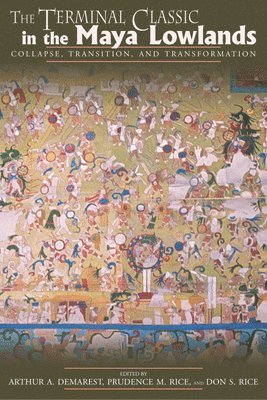
The Terminal Classic in the Maya Lowlands revisits one of the great problems in Mayan archaeology - the apparent collapse of Classic Maya civilization from roughly A.D. 830 to 950. During this period the Maya abandoned their power centers in the southern lowlands and rather abruptly ceased the distinctive cultural practices that marked their apogee in the Classic period. Archaeological fieldwork during the past three decades, however, has uncovered enormous regional variability in the ways the Maya experienced the shift from Classic to Postclassic society, revealing a period of cultural change more complex than acknowledged by traditional models.Featuring an impressive roster of scholars, The Terminal Classic presents the most recent data and interpretations pertaining to this perplexing period of cultural transformation in the Maya lowlands. Although the research reveals clear interregional patterns, the contributors resist a single overarching explanation. Rather, this volume's diverse and nuanced interpretations provide a new, more properly grounded beginning for continued debate on the nature of lowland Terminal Classic Maya civilization.
Del 80 - Papers of the Peabody Museum
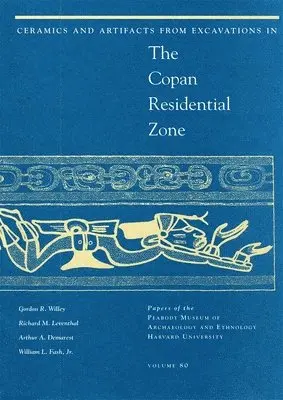
Ceramics and Artifacts from Excavations in the Copan Residential Zone
Häftad, Engelska, 1995
584 kr
Skickas inom 7-10 vardagar
266 kr
Skickas inom 7-10 vardagar
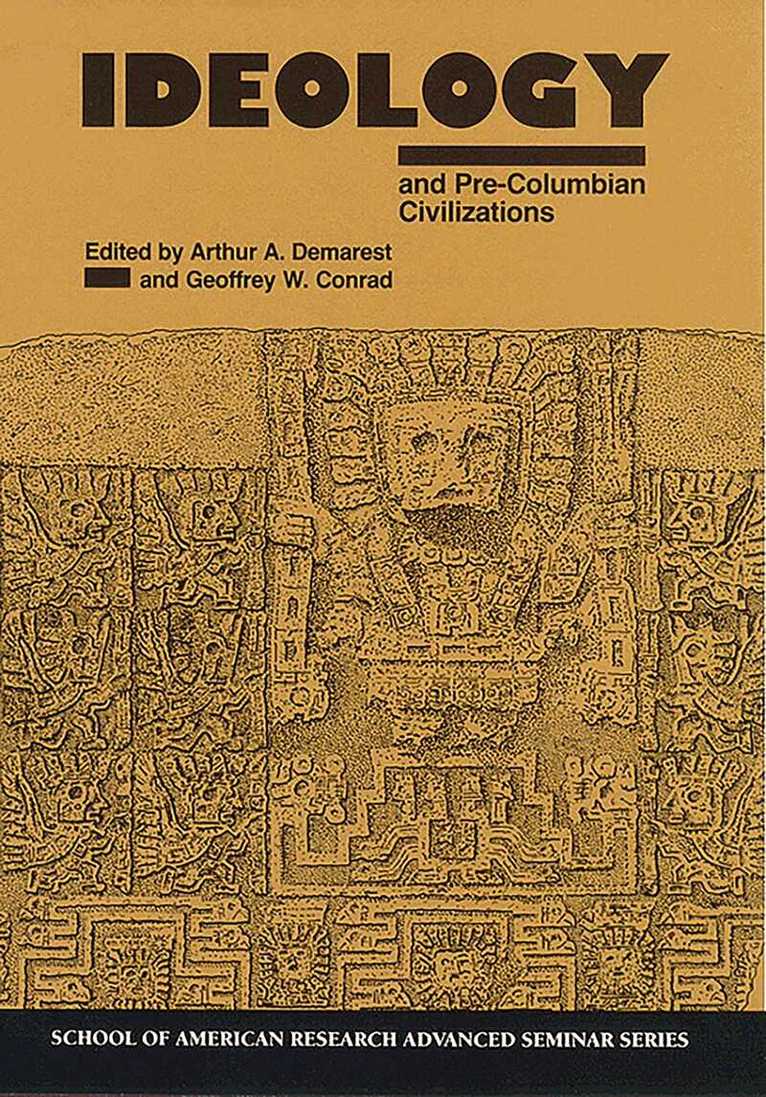
Employing data from central Mexico, the Maya area, coastal Peru, and highland Peru and Bolivia, directors of several major archaeological field projects interpret evidence of prehistoric ideology and address the question, has ideology any relevance in the reconstruction of prehistory?