David A. Freidel – författare
Visar alla böcker från författaren David A. Freidel. Handla med fri frakt och snabb leverans.
11 produkter
Maya E Groups
Calendars, Astronomy, and Urbanism in the Early Lowlands
Av Jerry Murdock, Anne S. Dowd m. fl.
E-bok, 2017
2181 kr
Lägg i varukorg
As complex societies emerged in the Maya lowlands during the first millennium BCE, so did stable communities focused around public squares and the worship of a divine ruler tied to a Maize God cult. “E Groups,” central to many of these settlements, are architectural complexes: typically, a long …
Maya E Groups
Calendars, Astronomy, and Urbanism in the Early Lowlands
Av David A. Freidel, Arlen F. Chase m. fl.
Inbunden, 2017
1462 kr
Lägg i varukorg
In ancient Maya cities, “E Groups” are sets of buildings aligned with the movements of the sun. This volume presents new archaeological data to reveal that E Groups were constructed earlier than previously thought—in fact, they are the earliest identifiable architectural plan at many Maya …
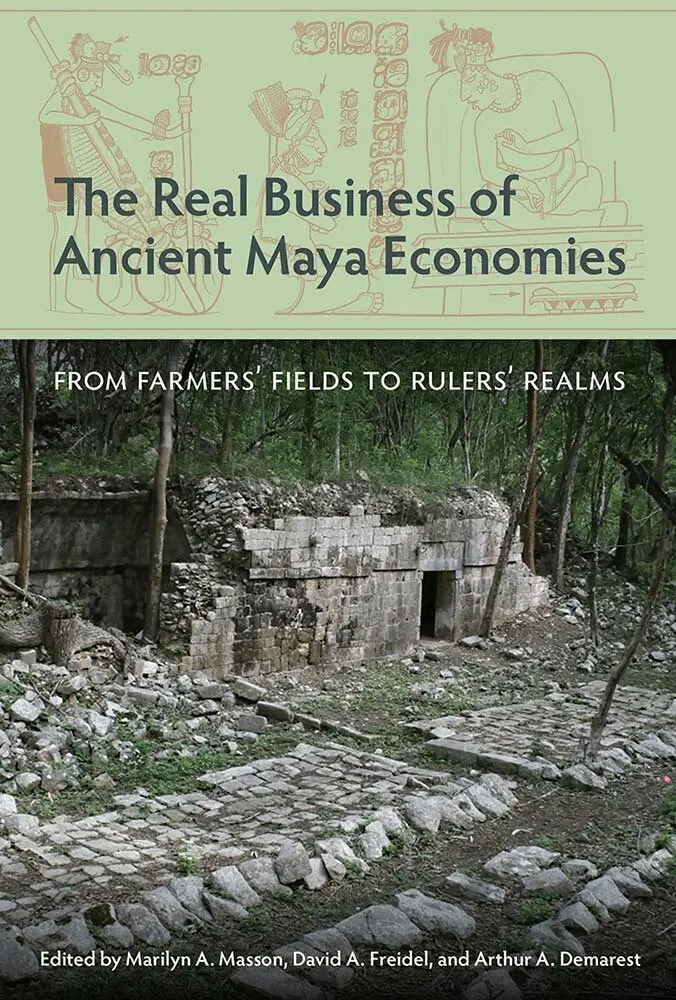
Real Business of Ancient Maya Economies
From Farmers’ Fields to Rulers’ Realms
Av Arthur A. Demarest, David A. Freidel m. fl.
E-bok, 2020
2229 kr
Lägg i varukorg
A timely synthesis of the latest research and perspectives on ancient Maya economics, this volume illuminates the sophistication and intricacy of economic systems in the Preclassic, Classic, and Postclassic periods. Contributors from a wide range of disciplines move beyond paradigms of elite …
Maya E Groups
Calendars, Astronomy, and Urbanism in the Early Lowlands
Av David A. Freidel, Arlen F. Chase m. fl.
Häftad, 2020
516 kr
Lägg i varukorg
As complex societies emerged in the Maya lowlands during the first millen¬nium BCE, so did stable communities focused around public squares and the worship of a divine ruler tied to a Maize God cult. "E Groups," central to many of these settle¬ments, are architectural complexes: typically, a long …
Real Business of Ancient Maya Economies
From Farmers' Fields to Rulers' Realms
Av Marilyn A. Masson, David A. Freidel m. fl.
Inbunden, 2020
1462 kr
Lägg i varukorg
A timely synthesis of the latest research and perspectives on ancient Maya economics, this volume illuminates the sophistication and intricacy of economic systems in the Preclassic, Classic, and Postclassic periods. Contributors from a wide range of disciplines move beyond paradigms of elite …
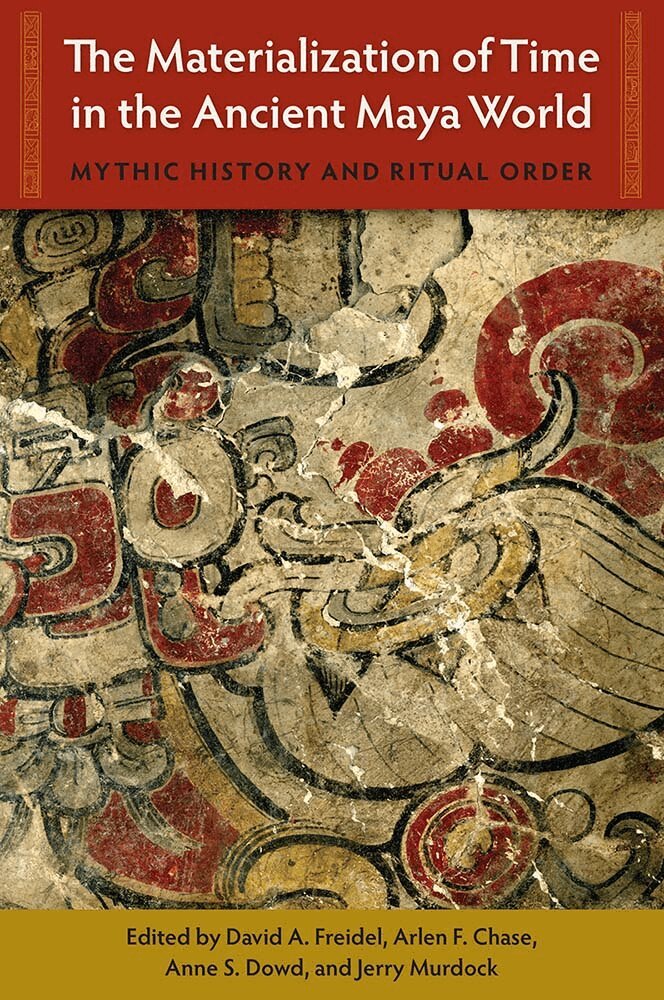
Materialization of Time in the Ancient Maya World
Mythic History and Ritual Order
Av David A. Freidel, Arlen F. Chase m. fl.
Inbunden, 2024
1462 kr
Lägg i varukorg
New understandings of how Maya people expressed timekeeping in daily lifeThis book discusses the range of ways the ancient Maya people made time tangible through their architecture, arts, writing, beliefs, and practices. These chapters show how the Maya incorporated cyclicality and expanded …
Materialization of Time in the Ancient Maya World
Mythic History and Ritual Order
Av Jerry Murdock, Anne S. Dowd m. fl.
E-bok, 2024
4316 kr
Lägg i varukorg
Newunderstandings of how Maya people expressed timekeeping in daily life This book discussesthe range of ways the ancient Maya people made time tangible through their architecture,arts, writing, beliefs, and practices. These chapters show how the Maya incorporatedcyclicality and expanded …
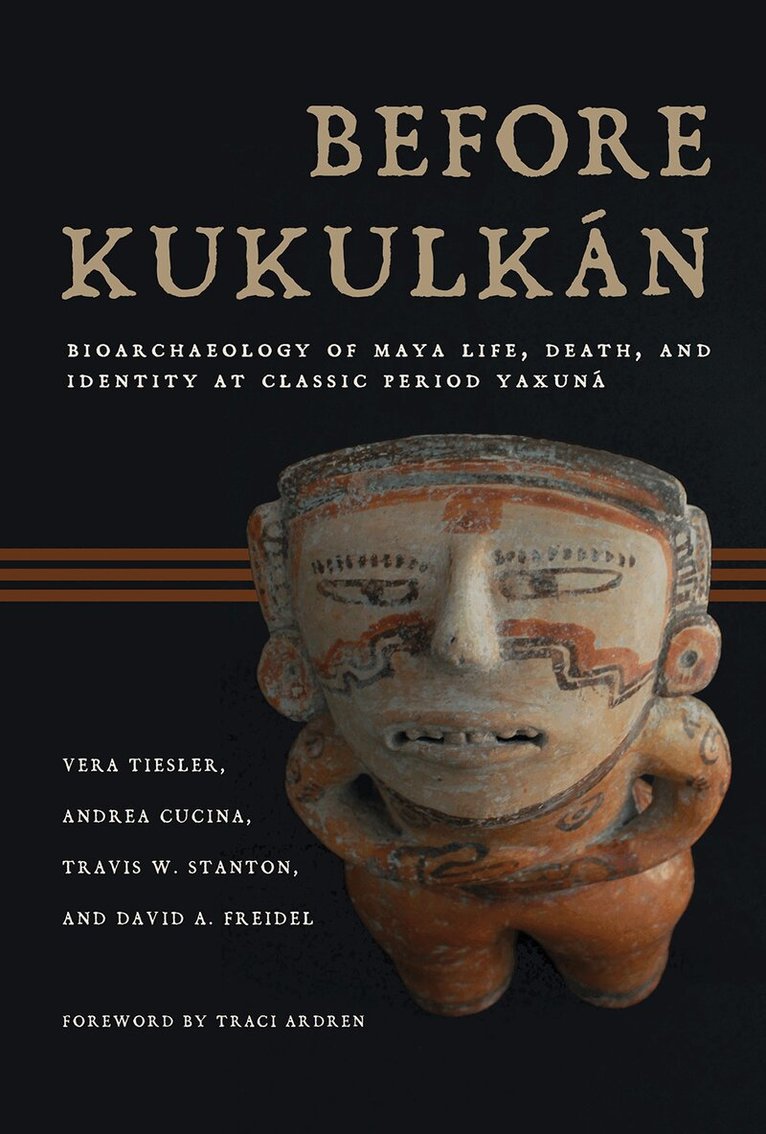
Before Kukulkán
Bioarchaeology of Maya Life, Death, and Identity at Classic Period Yaxuná
Av Vera Tiesler, Andrea Cucina m. fl.
Häftad, 2025
526 kr
Lägg i varukorg
This volume illuminates human lifeways in the northern Maya lowlands prior to the rise of ChichÉn ItzÁ. This period and area have been poorly understood on their own terms, obscured by scholarly focus on the central lowland Maya kingdoms. Before KukulkÁn is anchored in three decades of …
Archaeological Investigations at Yaxuná 1986-1996
Results of the Selz Foundation Yaxuna Project
Av James N Ambrosino, Traci Ardren m. fl.
2010
1542 kr
Lägg i varukorg
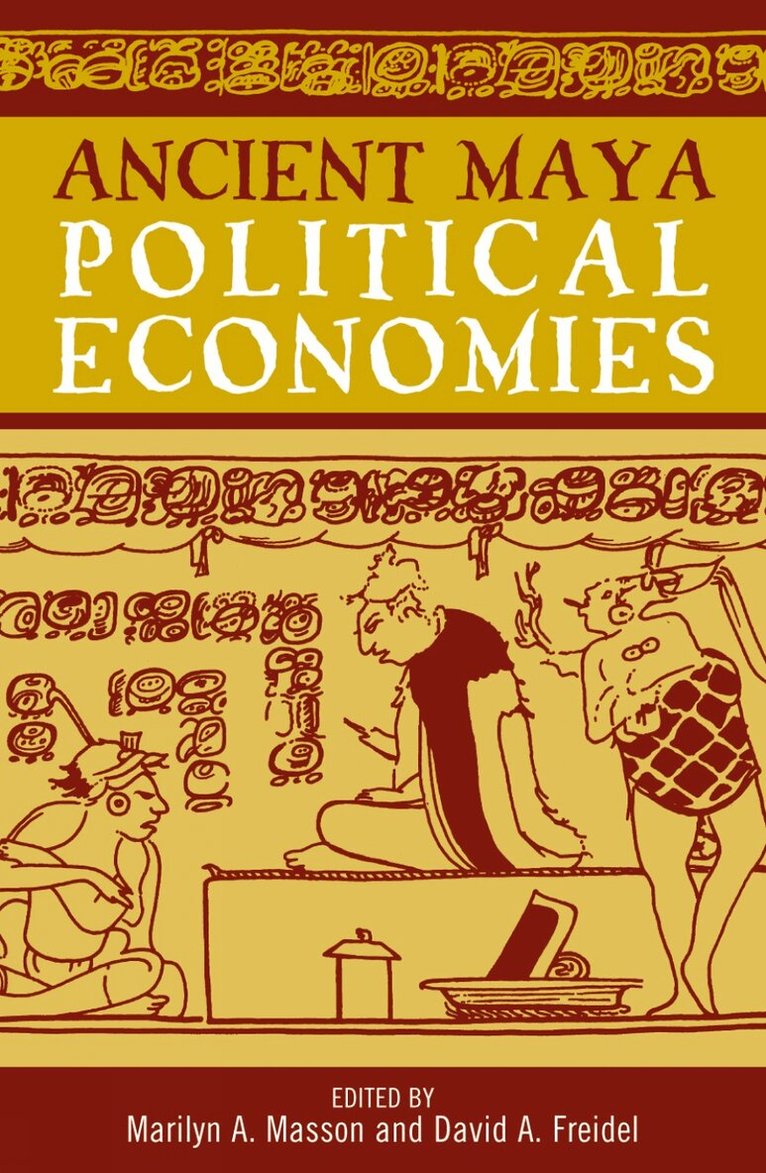
Ancient Maya Political Economies
Av Marilyn A. Masson, David A. Freidel
Inbunden, 2002
1613 kr
Tillfälligt slut
Ancient Maya Political Economies examines variation in systems of economic production and exchange and how these systems supported the power networks that integrated Maya society. Chapters in this book take a hard look at existing models of elite exchange and tribute and address the difficult …
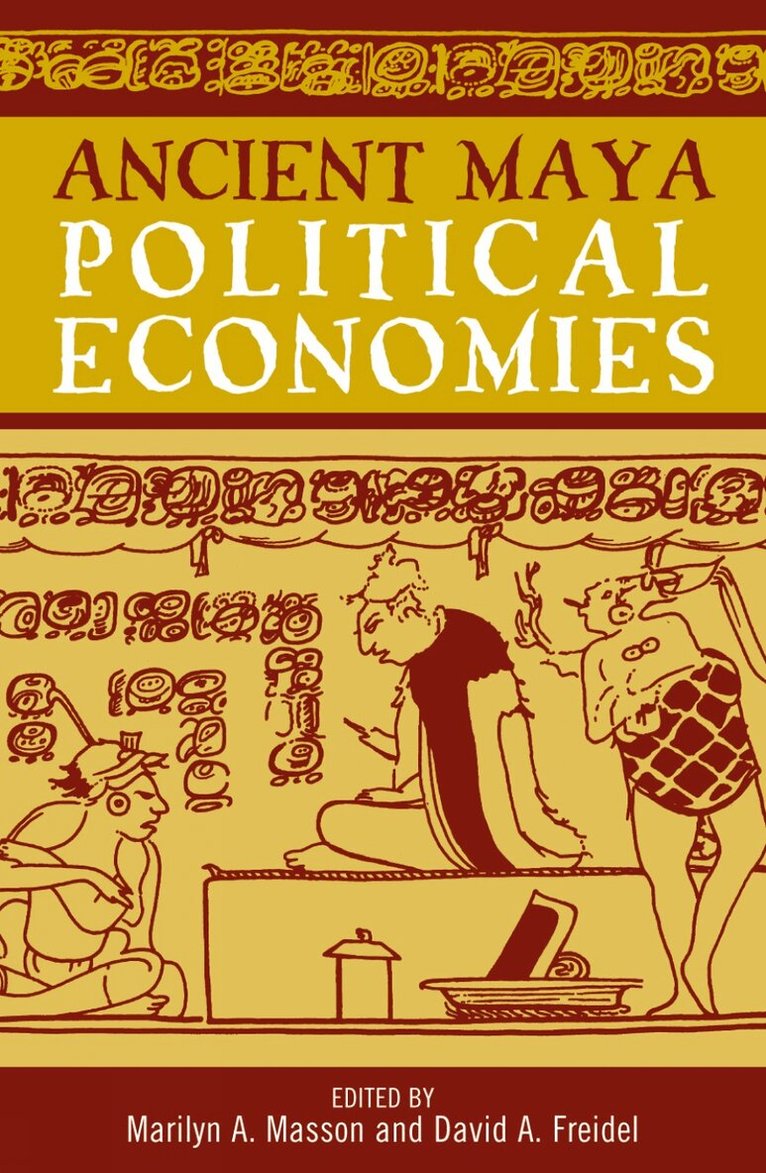
Ancient Maya Political Economies
Av Marilyn A. Masson, David A. Freidel
Häftad, 2002
725 kr
Tillfälligt slut
Ancient Maya Political Economies examines variation in systems of economic production and exchange and how these systems supported the power networks that integrated Maya society. Chapters in this book take a hard look at existing models of elite exchange and tribute and address the difficult …