Arthur Redding – författare
Visar alla böcker från författaren Arthur Redding. Handla med fri frakt och snabb leverans.
5 produkter
5 produkter
668 kr
Skickas inom 10-15 vardagar
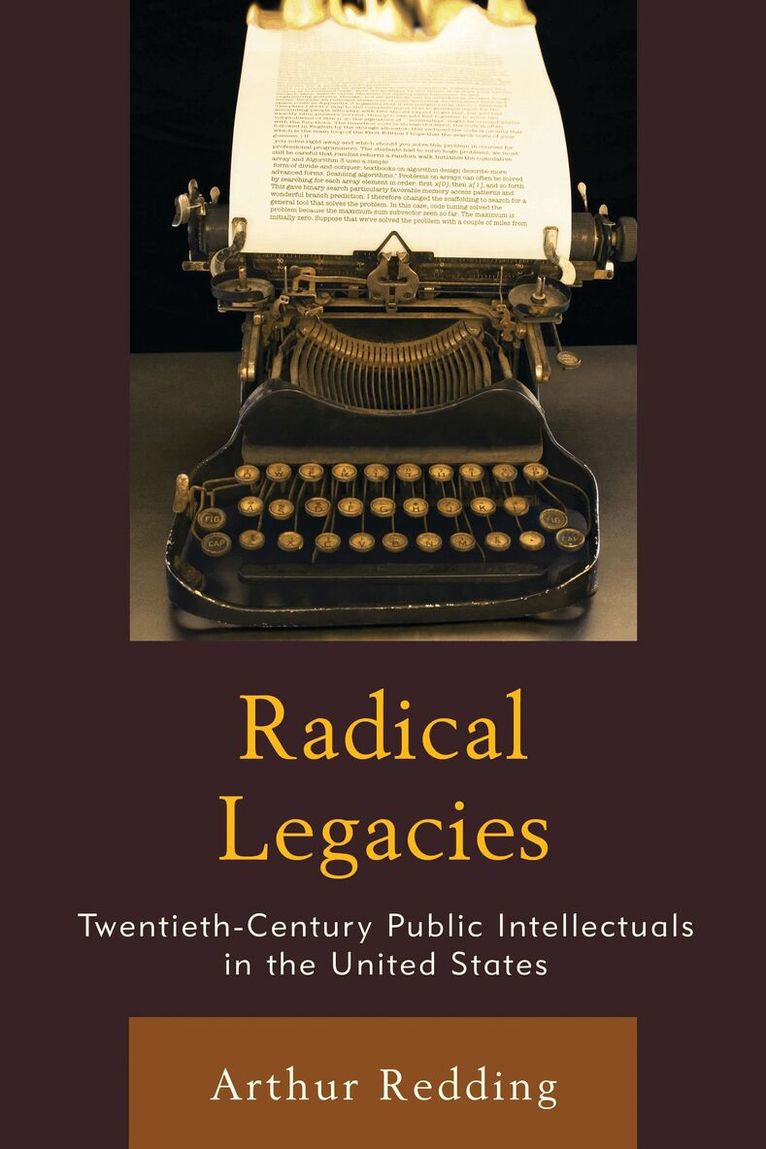
What use is thinking? This study addresses the ways in which modern American thinkers have intervened in the public sphere and attempted to mediate relations between social and political institutions and cultural and intellectual production. Chapters on both well-known (Henry Adams, Langston Hughes, C. Wright Mills, Angela Davis) and neglected (Randolph Bourne, Mary McCarthy, Paul Goodman) public intellectuals considers how these figures have address a range of problems, including the dangers and difficulty of critical dissent thought during wartime, the contemporary crisis of the humanities under neoliberalism, the legacy of American anti-intellectualism, academic professionalism, and the perils of consumer culture and popular tastes. This book reviews in as critically sympathetic a manner as possible a select few of the minor and major currents of twentieth-century American radical thinking in order to see where they might take us, and how they inflect our current social and intellectual predicaments. Arguing that any "use-value" theory of intellectual production is limiting, Radical Legacies endeavors to maintain and expand a space and reassert an argument for the importance of sustained critical reflection on our collective dilemmas today. It assesses a practice of thought that is engaged, committed, involved, and timely, without being necessarily “practical” or even useful.
254 kr
Skickas inom 10-15 vardagar
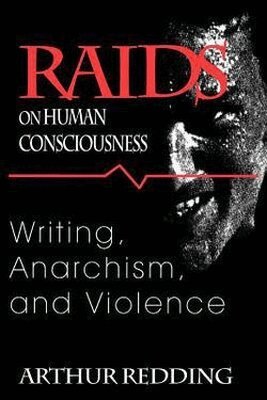
Confronts the representation of violence and the violence of representation.However one looks at violence - as an instrument of bureaucracy or ideology; as a product of racial, gender, or class antagonisms; or as the inevitable result of power politics - it is an integral part of every social system and is one of the most pressing problems of our tortured century.In Raids on Human Consciousness Arthur Redding examines the contention that violence, be it the mass product of revolutionary uprising or a private sadomasochistic indulgence, may be taken to instill in those who commit it the capacity for radical change.Conscious that mainstream theory considers violence deviant, a departure from the normal equilibrium of social and aesthetic structures, while other critiques take it to be integral to any dynamic system, Redding begins with the anarchist inquiry into the relationship of violence to the imaginary representation of modern communities. He explores the “public images” of anarchism in literature and popular culture and emphasizes the diverse strategies by which modern writers encounter, derive, deflect, and manipulate fantasies of political violence. The resurgent interest in anarchist thought among the New Left and its implications for contemporary writers become the basis for an extended meditation on the revolutionary or transgressive potential of transformative violence, particularly in the masochistic writings of Kathy Acker.Redding recognizes that language fails when confronted with the extreme suffering of human bodies. Acknowledging that flesh is subject to war, torture, and everyday brutality - violations to which language can never do justice - he nonetheless finds it urgent to reclaim language on the far side of suffering.
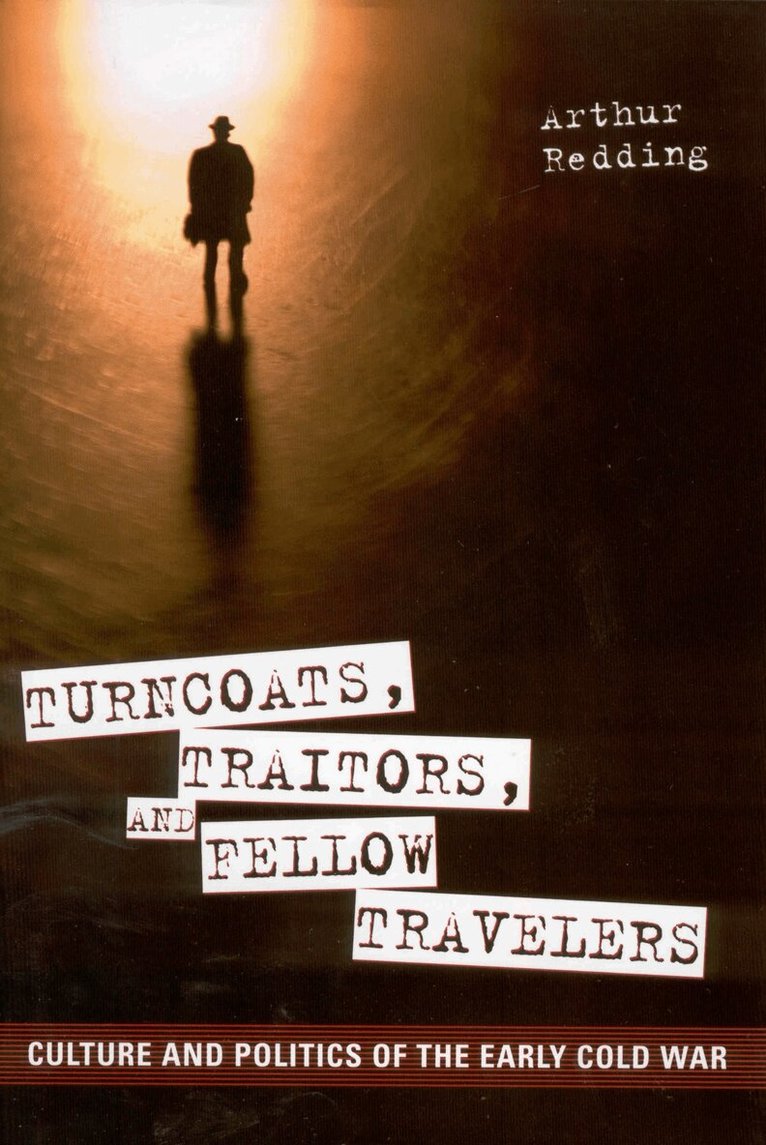
Turncoats, Traitors, and Fellow Travelers
Culture and Politics of the Early Cold War
Häftad, Engelska, 2012
417 kr
Skickas inom 7-10 vardagar
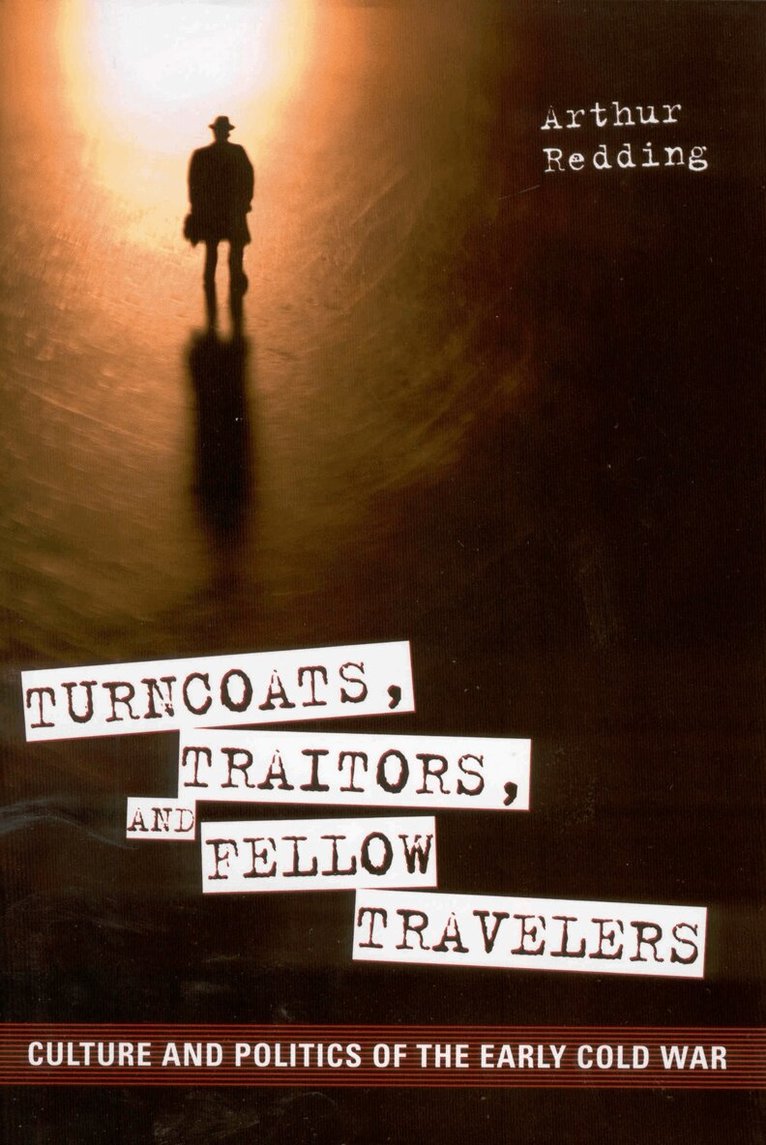
The Cold War was unique in the way films, books, television shows, colleges and universities, and practices of everyday life were enlisted to create American political consensus. This coercion fostered a seemingly hegemonic, nationally unified perspective devoted to spreading a capitalist, socially conservative notion of freedom throughout the world to fight Communism.In Turncoats, Traitors, and Fellow Travelers: Culture and Politics of the Early Cold War, Arthur Redding traces the historical contours of this manufactured consent by considering the ways in which authors, playwrights, and directors participated in, responded to, and resisted the construction of Cold War discourses. The book argues that a fugitive resistance to the status quo emerged as writers and activists variously fled into exile, went underground, or grudgingly accommodated themselves to the new spirit of the times.To this end, Redding examines work by a wide swath of creators, including essayists (W. E. B. Du Bois and F. O. Matthiessen), novelists (Ralph Ellison, Patricia Highsmith, Jane Bowles, and Paul Bowles), playwrights (Arthur Miller), poets (Sylvia Plath), and filmmakers (Elia Kazan and John Ford). The book explores how writers and artists created works that went against mainstream notions of liberty and offered alternatives to the false dichotomy between capitalist freedom and totalitarian tyranny. These complex responses and the era they reflect had and continue to have profound effects on American and international cultural and intellectual life, as can be seen in the connections Redding makes between past and present.
1 163 kr
Skickas inom 10-15 vardagar
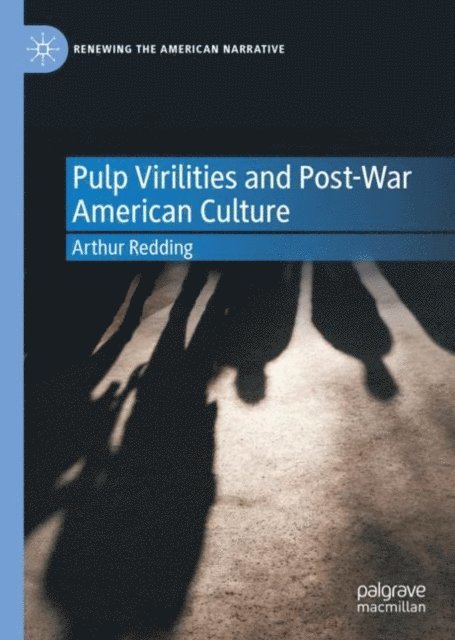
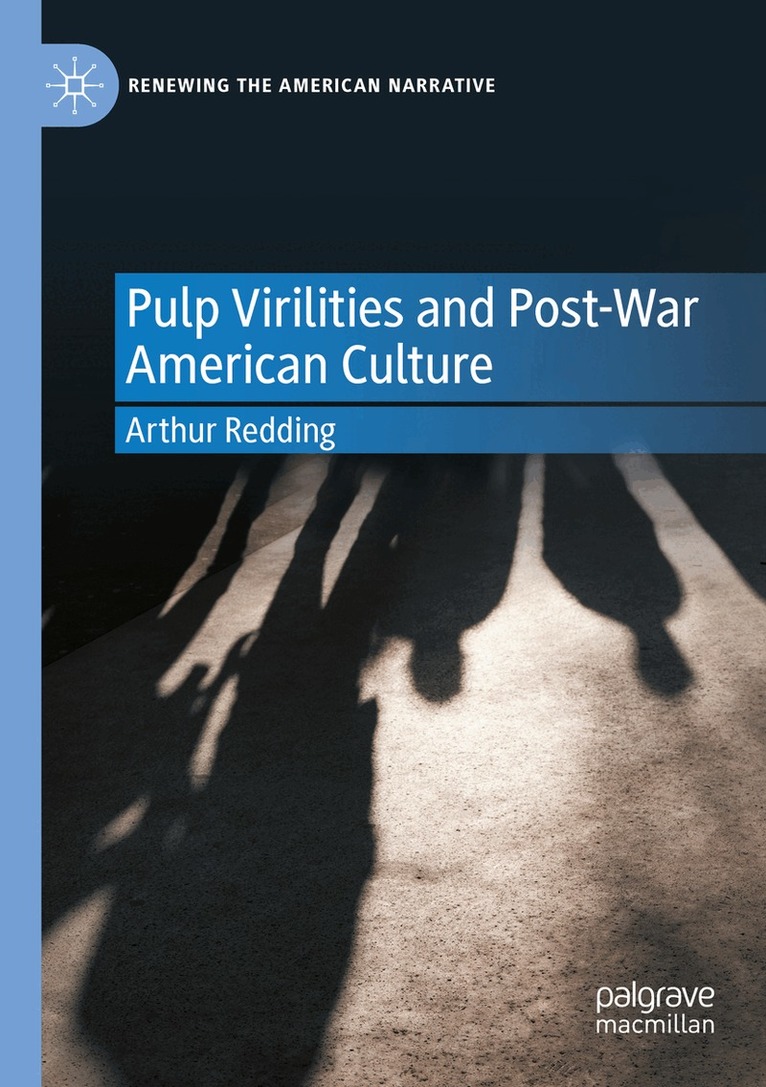
This book interrogates the repertoire of masculine performance in popular crime fiction and cinema from the 1940s, 50s, and 60s. Demonstrating how anxieties and possibilities of American masculinity are hammered out in works of popular culture, Pulp Virilities provides a rich cultural genealogy of contemporary American social life.
1 163 kr
Skickas inom 10-15 vardagar
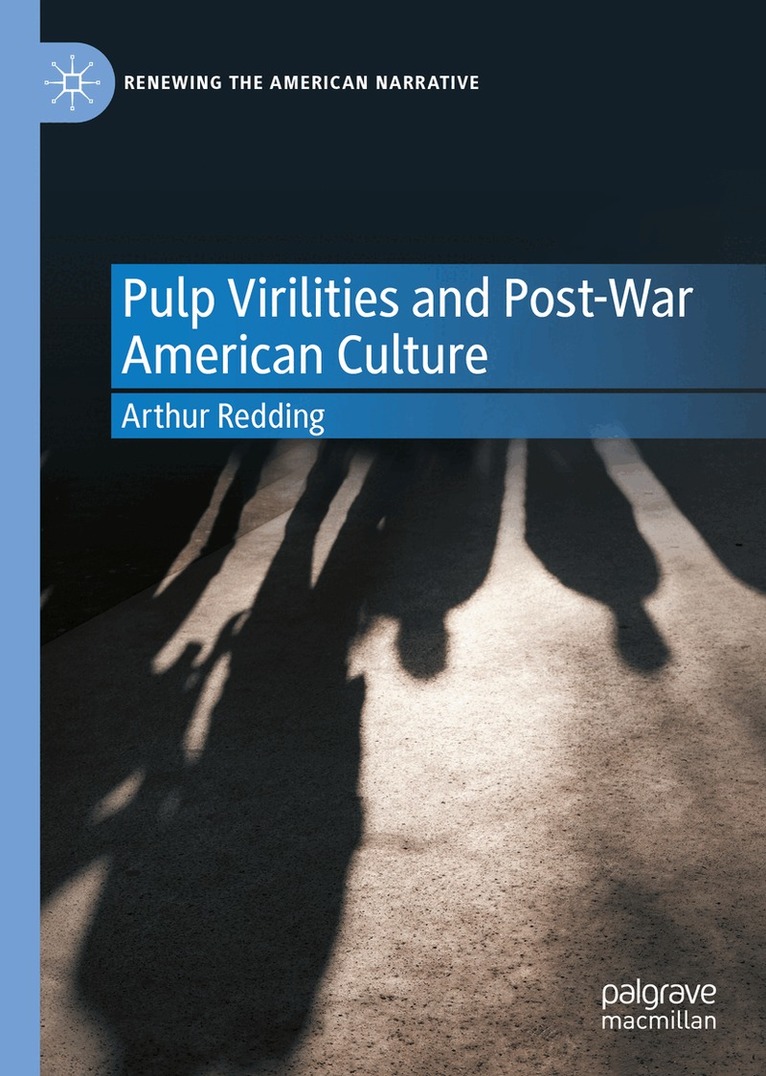
This book interrogates the repertoire of masculine performance in popular crime fiction and cinema from the 1940s, 50s, and 60s. This critical survey of the back alleys of pulp culture reveals American masculinities to be unsettled, contentious, crisis-ridden, racially fraught, and sexually anxious. Libertarian in their sensibilities, self-aggrandizing in their sentiments, resistant to the lures of upper mobility, scornful of white collar and corporate culture, the protagonists of these popular and populist works viewed themselves as working-class heroes cast adrift. Pulp Virilities explores the enduring traditions of hard-boiled and noir literature, casting a critical eye on its depictions of urban life and representations of gender, crime, labor, and race. Demonstrating how anxieties and possibilities of American masculinity are hammered out in works of popular culture, Pulp Virilities provides a rich cultural genealogy of contemporary American social life.