Arthur Stockwin - Böcker
Visar alla böcker från författaren Arthur Stockwin. Handla med fri frakt och snabb leverans.
8 produkter
8 produkter
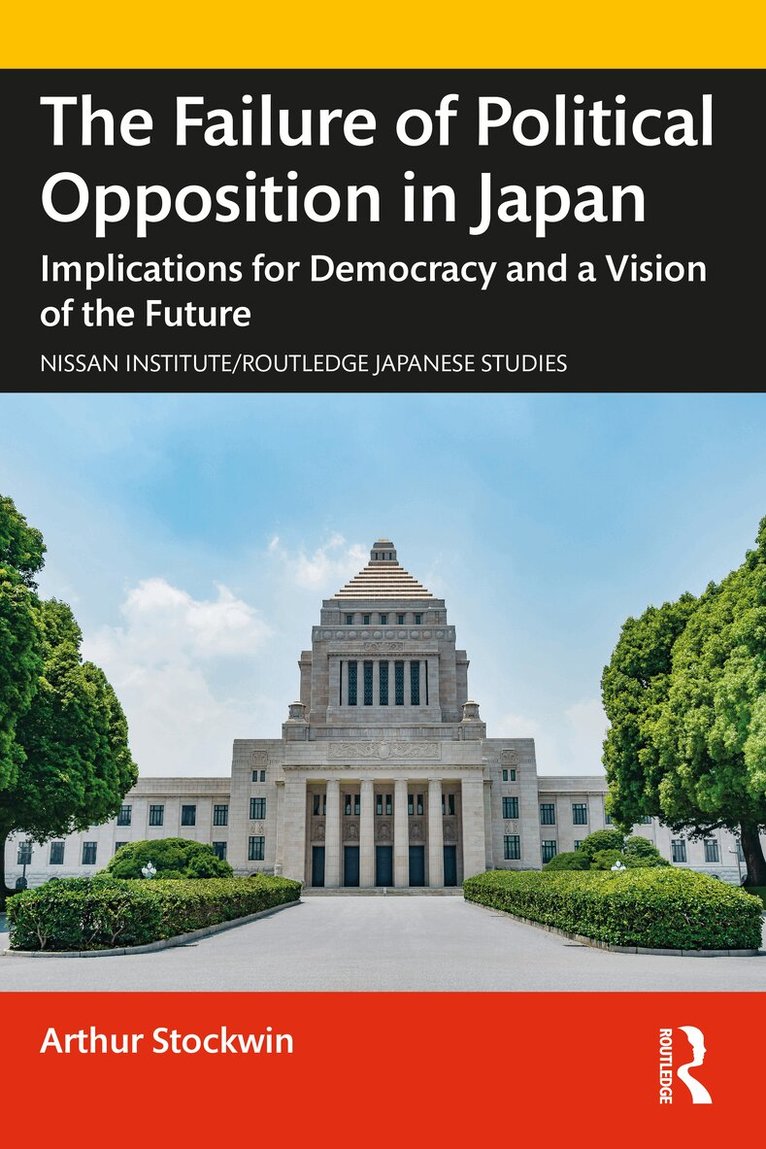
Failure of Political Opposition in Japan
Implications for Democracy and a Vision of the Future
Häftad, Engelska, 2022
552 kr
Skickas inom 10-15 vardagar
This book explores the party politics and political system of Japan, which since 1955 has been dominated by the Liberal Democratic Party (LDP), with a particular focus on the evolution of LDP governments between the 1990s and 2010s.Through its evaluation of the legacy of post-war opposition parties, the politics of electoral reform and the crucial importance of foreign policy (especially in relation to China), this volume argues that Japan has ‘lost its way’, and that for recovery it needs to move away from single-party dominance. Despite the failures of the Democratic Party (DPJ) government 2009-2012, the reasons for which are explored, the need to combat economic, social and political stagnation requires a more pluralist political environment, in which LDP monopoly of policy and personnel can be realistically challenged by vigorous opposition parties. Comparisons are made with other parliamentary democracies, in particular the United Kingdom, Australia and Sweden, to indicate that single-party dominance is an inadequate substitute for competition between genuine political alternatives.As an analysis of opposition party politics in post-war Japan, this book will be a valuable resource for students and scholars of Political Science, International Relations, Asian Studies and Japanese Studies.
Failure of Political Opposition in Japan
Implications for Democracy and a Vision of the Future
Inbunden, Engelska, 2022
1 895 kr
Skickas inom 10-15 vardagar
This book explores the party politics and political system of Japan, which since 1955 has been dominated by the Liberal Democratic Party (LDP), with a particular focus on the evolution of LDP governments between the 1990s and 2010s.Through its evaluation of the legacy of post-war opposition parties, the politics of electoral reform and the crucial importance of foreign policy (especially in relation to China), this volume argues that Japan has ‘lost its way’, and that for recovery it needs to move away from single-party dominance. Despite the failures of the Democratic Party (DPJ) government 2009-2012, the reasons for which are explored, the need to combat economic, social and political stagnation requires a more pluralist political environment, in which LDP monopoly of policy and personnel can be realistically challenged by vigorous opposition parties. Comparisons are made with other parliamentary democracies, in particular the United Kingdom, Australia and Sweden, to indicate that single-party dominance is an inadequate substitute for competition between genuine political alternatives.As an analysis of opposition party politics in post-war Japan, this book will be a valuable resource for students and scholars of Political Science, International Relations, Asian Studies and Japanese Studies.
652 kr
Skickas inom 10-15 vardagar
Distinguished author and former Professor of Modern Japanese Studies at Oxford, Arthur Stockwin here explores his personal journey from being the son of medical/dental parents in Birmingham, England, to becoming a specialist in the politics and modern history of Japan, while at the same time reflecting on his considerable personal experiences of Japan and assessing its current and possible future condition.*Former Professor of Modern Japanese Studies at Oxford, Arthur Stockwin explores his personal journey from being the son of medical/dental parents in Birmingham, England, to becoming a specialist in the politics and modern history of Japan, while reflecting on his personal experiences of Japan and assessing its current and possible future condition.
1 520 kr
Skickas inom 10-15 vardagar
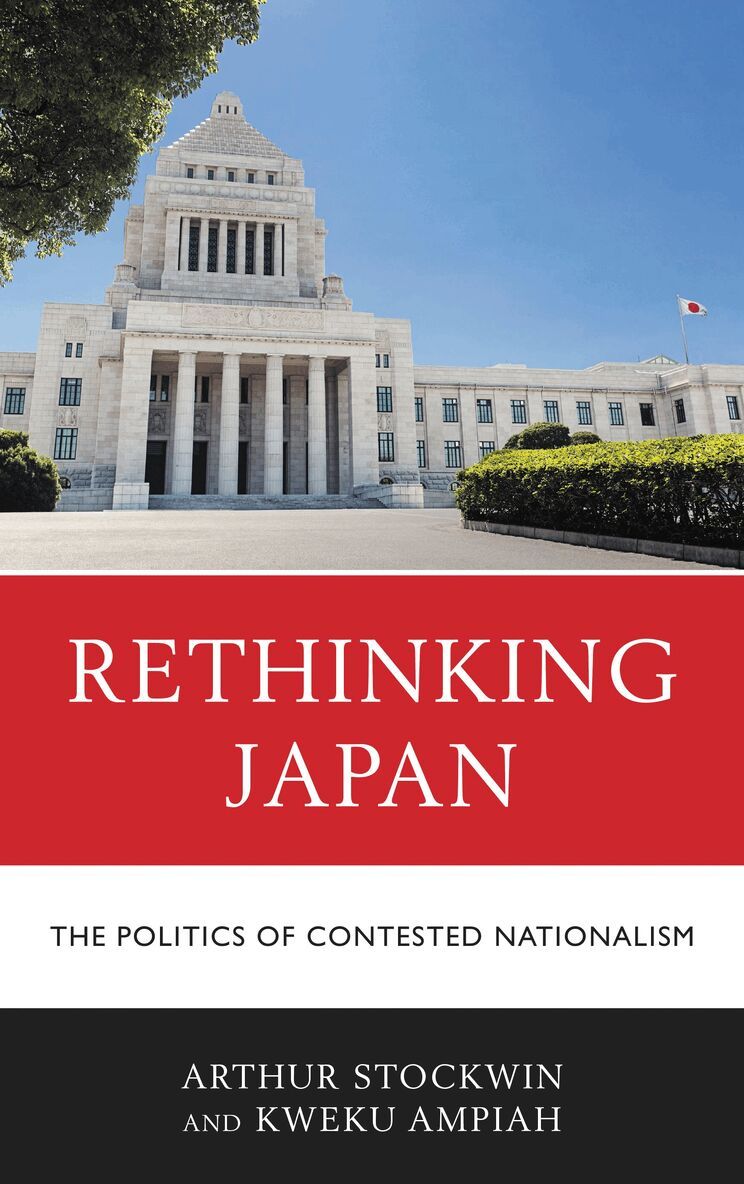
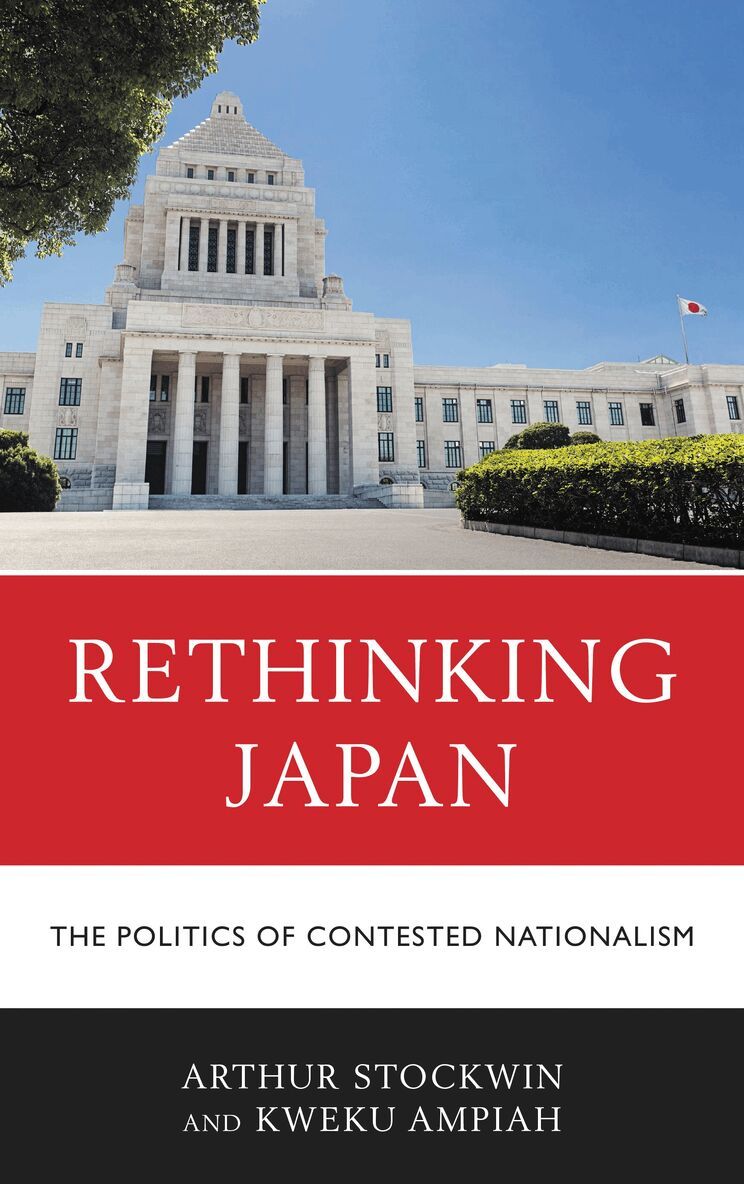
The authors argue that with the election of the Abe Government in December 2012, Japanese politics has entered a radically new phase they describe as the “2012 Political System.” The system began with the return to power of the Liberal Democratic Party (LDP), after three years in opposition, but in a much stronger electoral position than previous LDP-based administrations in earlier decades. Moreover, with the decline of previously endemic intra-party factionalism, the LDP has united around an essentially nationalist agenda never absent from the party’s ranks, but in the past was generally blocked, or modified, by factions of more liberal persuasion. Opposition weakness following the severe defeat of the Democratic Party of Japan (DPJ) administration in 2012 has also enabled the Abe Government to establish a political stability largely lacking since the 1990s.The first four chapters deal with Japanese political development since 1945 and factors leading to the emergence of Abe Shinzo as Prime Minister in 2012. Chapter 5 examines the Abe Government’s flagship economic policy, dubbed “Abenomics.” The authors then analyse four highly controversial objectives promoted by the Abe Government: revision of the 1947 ‘Peace Constitution’; the introduction of a Secrecy Law; historical revision, national identity and issues of war apology; and revised constitutional interpretation permitting collective defence. In the final three chapters they turn to foreign policy, first examining relations with China, Russia and the two Koreas, second Japan and the wider world, including public diplomacy, economic relations and overseas development aid, and finally, the vexed question of how far Japanese policies are as reactive to foreign pressure. In the Conclusion, the authors ask how far right wing trends in Japan exhibit common causality with shifts to the right in the United States, Europe and elsewhere. They argue that although in Japan immigration has been a relatively minor factor, economic stagnation, demographic decline, a sense of regional insecurity in the face of challenges from China and North Korea, and widening gaps in life chances, bear comparison with trends elsewhere. Nevertheless, they maintain that “[a] more sane regional future may be possible in East Asia.”
599 kr
Skickas inom 10-15 vardagar
The authors argue that with the election of the Abe Government in December 2012, Japanese politics has entered a radically new phase they describe as the “2012 Political System.” The system began with the return to power of the Liberal Democratic Party (LDP), after three years in opposition, but in a much stronger electoral position than previous LDP-based administrations in earlier decades. Moreover, with the decline of previously endemic intra-party factionalism, the LDP has united around an essentially nationalist agenda never absent from the party’s ranks, but in the past was generally blocked, or modified, by factions of more liberal persuasion. Opposition weakness following the severe defeat of the Democratic Party of Japan (DPJ) administration in 2012 has also enabled the Abe Government to establish a political stability largely lacking since the 1990s.The first four chapters deal with Japanese political development since 1945 and factors leading to the emergence of Abe Shinzo as Prime Minister in 2012. Chapter 5 examines the Abe Government’s flagship economic policy, dubbed “Abenomics.” The authors then analyse four highly controversial objectives promoted by the Abe Government: revision of the 1947 ‘Peace Constitution’; the introduction of a Secrecy Law; historical revision, national identity and issues of war apology; and revised constitutional interpretation permitting collective defence. In the final three chapters they turn to foreign policy, first examining relations with China, Russia and the two Koreas, second Japan and the wider world, including public diplomacy, economic relations and overseas development aid, and finally, the vexed question of how far Japanese policies are as reactive to foreign pressure. In the Conclusion, the authors ask how far right wing trends in Japan exhibit common causality with shifts to the right in the United States, Europe and elsewhere. They argue that although in Japan immigration has been a relatively minor factor, economic stagnation, demographic decline, a sense of regional insecurity in the face of challenges from China and North Korea, and widening gaps in life chances, bear comparison with trends elsewhere. Nevertheless, they maintain that “[a] more sane regional future may be possible in East Asia.”
Del 8 - Asian Studies Series Monograph
Bridging Australia and Japan: Volume 1: The writings of David Sissons, historian and political scientist
Häftad, Engelska, 2016
626 kr
Skickas inom 5-8 vardagar
Del 15 - Asian Studies Series Monograph
Bridging Australia and Japan: Volume 2: The writings of David Sissons, historian and political scientist
Häftad, Engelska, 2020
450 kr
Skickas inom 5-8 vardagar
607 kr
Skickas inom 5-8 vardagar
Former Professor of Modern Japanese Studies at Oxford, Arthur Stockwin explores his personal journey from being the son of medical/dental parents in Birmingham, England, to becoming a specialist in the politics and modern history of Japan, while reflecting on his personal experiences of Japan and assessing its current and possible future condition.