• Fri frakt över 249 kr
  • •
  • Snabba leveranser
  • •
  • Billiga böcker
Kundservice

Du är på sajten för privatpersoner.

Företag, bibliotek eller offentlig verksamhet?

Du handlar på classic.bokus.com, där alla dina funktioner finns intakta.
Till classic.bokus.com
Bokus logotyp. Gå till startsidan.
  • Erbjudanden
  • Nyheter
  • Student
  • Topplistor
  • Barn & ungdom
  • Bokus Play
  • E-böcker
  • Pocketböcker
  • Spel & pussel

10% rabatt på allt med kod: NYSTART10 →

Sidfot

Mina sidor

    Hjälp

    • Kundservice
    • Vanliga frågor och svar
    • Frakt och leverans
    • Retur vid ångerrätt
    • Reklamera vara
    • Betalning
    • Köpvillkor
    • Allmänna villkor
    • Information om webbplatsens tillgänglighet

    Om Bokus

    • Om oss
    • Pressrum
    • För studenter
    • För företag
    • För bibliotek och offentlig verksamhet
    • För leverantörer
    • Hållbarhet

    Populärt

    • Aktuella erbjudanden
    • Presentkort
    • Studentlitteratur
    • Nya böcker
    • Topplistor
    • Signerade böcker
    • Engelska böcker

    Inspiration

    • Boktips
    • BookTok
    • Populära bokserier
    • Barnbokskaraktärer
    • Populära författare
    Logotyp för Bokus
    Följ oss på Facebook (extern länk)Följ oss på Instagram (extern länk)Följ oss på YouTube (extern länk)Följ oss på TikTok (extern länk)
    bokus @ CookiesAnpassa cookiesIntegritetspolicyKöpvillkor
    Till Citymail hemsida (extern länk)Till Budbee hemsida (extern länk)Till Postnord hemsida (extern länk)Till Schenker hemsida (extern länk)Till Early Bird hemsida (extern länk)Till Walleys hemsida (extern länk)
    1. Historia och arkeologi
    2. Historia
    3. Asiens historia

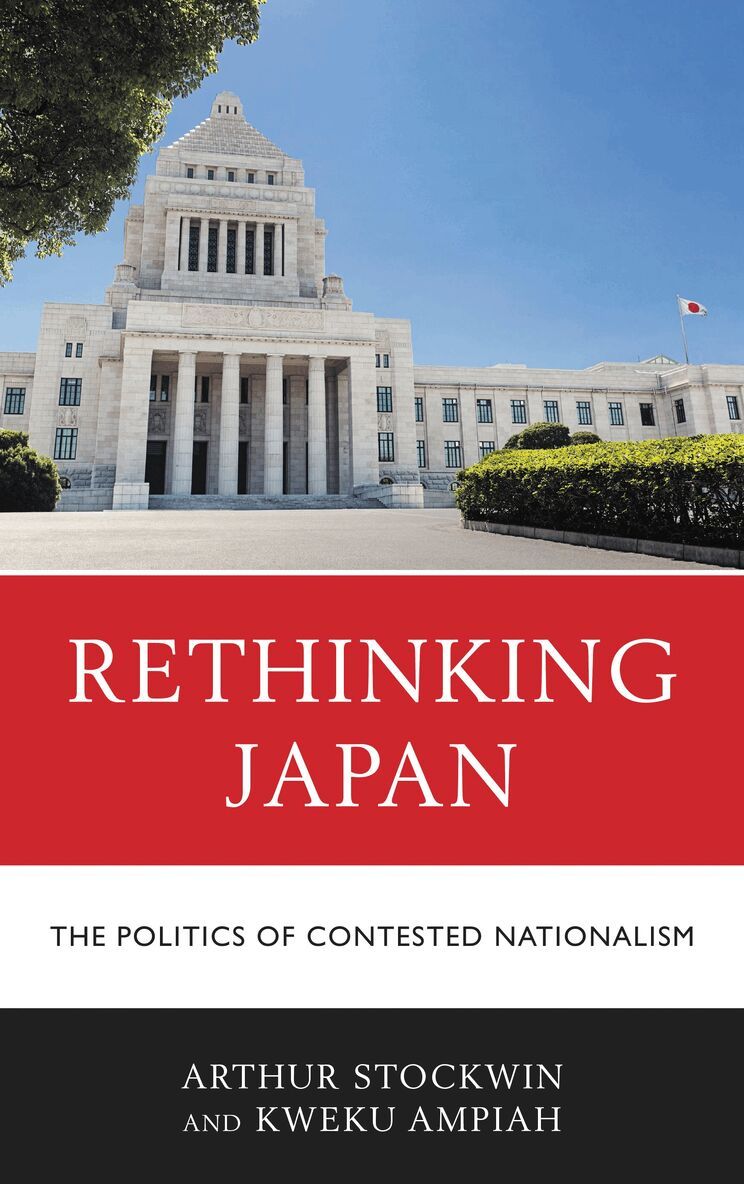
    Rethinking Japan

    The Politics of Contested Nationalism

    AvArthur Stockwin,Kweku Ampiah

    Häftad, Engelska, 2019

    Del i serien New Studies in Modern Japan

    622 kr

    Beställningsvara. Skickas inom 10-15 vardagar. Fri frakt över 249 kr.

    Fler format och utgåvor

    Inbunden

    1 579 kr

    Beskrivning

    The authors argue that with the election of the Abe Government in December 2012, Japanese politics has entered a radically new phase they describe as the “2012 Political System.” The system began with the return to power of the Liberal Democratic Party (LDP), after three years in opposition, but in a much stronger electoral position than previous LDP-based administrations in earlier decades. Moreover, with the decline of previously endemic intra-party factionalism, the LDP has united around an essentially nationalist agenda never absent from the party’s ranks, but in the past was generally blocked, or modified, by factions of more liberal persuasion. Opposition weakness following the severe defeat of the Democratic Party of Japan (DPJ) administration in 2012 has also enabled the Abe Government to establish a political stability largely lacking since the 1990s.The first four chapters deal with Japanese political development since 1945 and factors leading to the emergence of Abe Shinzo as Prime Minister in 2012. Chapter 5 examines the Abe Government’s flagship economic policy, dubbed “Abenomics.” The authors then analyse four highly controversial objectives promoted by the Abe Government: revision of the 1947 ‘Peace Constitution’; the introduction of a Secrecy Law; historical revision, national identity and issues of war apology; and revised constitutional interpretation permitting collective defence. In the final three chapters they turn to foreign policy, first examining relations with China, Russia and the two Koreas, second Japan and the wider world, including public diplomacy, economic relations and overseas development aid, and finally, the vexed question of how far Japanese policies are as reactive to foreign pressure. In the Conclusion, the authors ask how far right wing trends in Japan exhibit common causality with shifts to the right in the United States, Europe and elsewhere. They argue that although in Japan immigration has been a relatively minor factor, economic stagnation, demographic decline, a sense of regional insecurity in the face of challenges from China and North Korea, and widening gaps in life chances, bear comparison with trends elsewhere. Nevertheless, they maintain that “[a] more sane regional future may be possible in East Asia.”

    Produktinformation

    • Utgivningsdatum:2019-04-11
    • Mått:147 x 221 x 23 mm
    • Vikt:458 g
    • Format:Häftad
    • Språk:Engelska
    • Serie:New Studies in Modern Japan
    • Antal sidor:312
    • Förlag:Bloomsbury Publishing Plc
    • ISBN:9781498537940

    Utforska kategorier

    • Asiens historia inom Historia och arkeologi
    • Politik och statsskick inom Samhälle och politik

    Mer om författaren

    Arthur Stockwin is retired professor of modern Japanese studies at the University of Oxford.Kweku Ampiah is associate professor of Japanese studies at the University of Leeds.

    Recensioner i media

    Stockwin and Ampiah do an excellent job providing historical and political context to several of the debates currently animating Japanese politics. . . . this is a book that outlines and provides historical context to many of the most important issues facing Japan today. It would be useful as a textbook in courses on the politics of Japan, politics in East Asia, and/or the comparative politics of advanced industrialized states, and would also be useful to those wanting thoughtful background on the challenges currently facing Japanese democracy.

    Innehållsförteckning

    • Chapter 1: Peace, Democracy and Economic Growth: Political Economy under the Postwar DispensationChapter 2: The System Begins to Change: From the 1990s to 2009Chapter 3: The Opposition in Power: September 2009 to December 2012Chapter 4: Abe Takes Charge: From December 2012Chapter 5: AbenomicsChapter 6: Revising and Reinterpreting the 1947 ConstitutionChapter 7: The Designated Secrets Law and Freedom of SpeechChapter 8: Historical Revisionism, National Identity, and War ApologyChapter 9: Legislating for Collective Defense by Fiat: The Realist View of Japan as a Normal CountryChapter 10: Japan and Its Neighbors: China, Russia and the Two KoreasChapter 11: Japan and the Wider World: Public Diplomacy, Economic Relations and Overseas Development AidChapter 12: Japan: Reactionary State?