Arto Laitinen – författare
Visar alla böcker från författaren Arto Laitinen. Handla med fri frakt och snabb leverans.
9 produkter
Hegel on Action
Av Arto Laitinen, Constantine Sandis m. fl.
Inbunden, 2010
1095 kr
Lägg i varukorg
This unique collection focuses on Hegel's Philosophy of Action as it relates to current concerns. Including key papers by Taylor, MacIntyre, and McDowell as well as eleven especially commissioned contributions, it aims to readdress the dialogue between Hegel and contemporary philosophy of action.
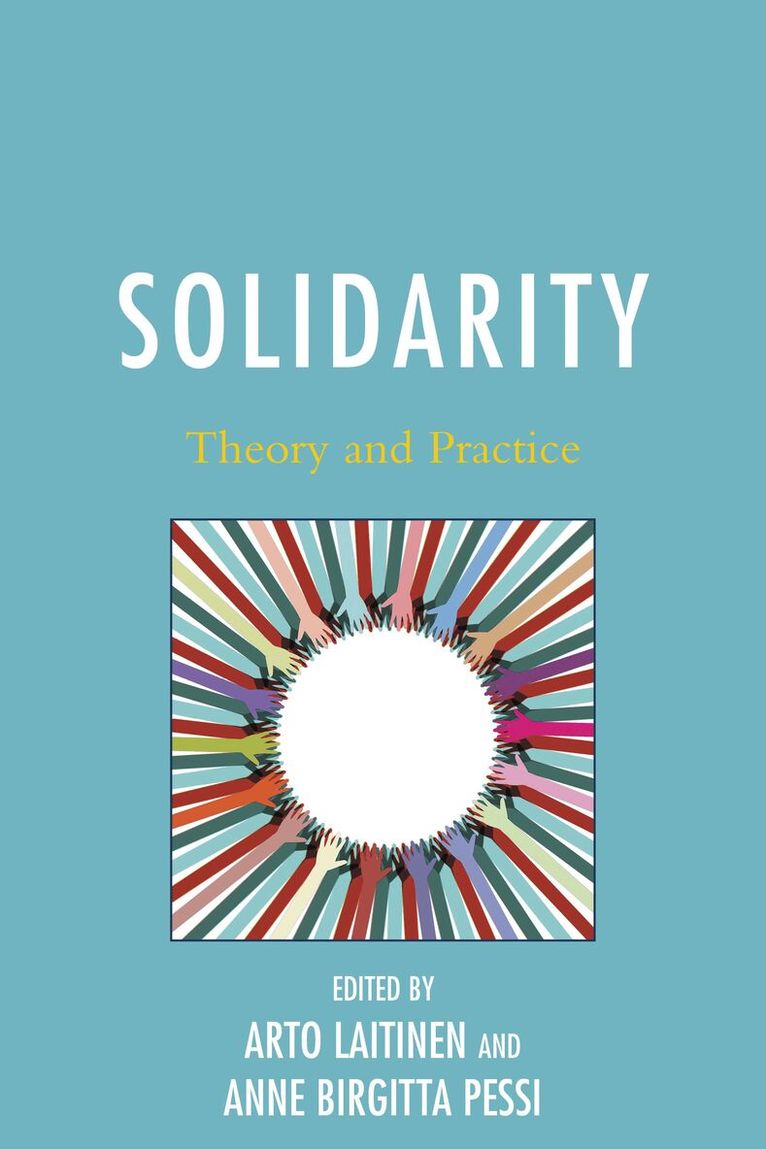
Solidarity
Theory and Practice
Av Arto Laitinen, Anne Birgitta Pessi
Inbunden, 2014
1697 kr
Lägg i varukorg
This book brings together philosophers, social psychologists and social scientists to approach contemporary social reality from the viewpoint of solidarity. It examines the nature of different kinds of solidarity and assesses the normative and explanatory potential of the concept. Various aspects …
Hegel on Action
Av Arto Laitinen, Constantine Sandis
Häftad, 2014
971 kr
Lägg i varukorg
This unique collection focuses on Hegel's Philosophy of Action as it relates to current concerns. Including key papers by Taylor, MacIntyre, and McDowell as well as eleven especially commissioned contributions, it aims to readdress the dialogue between Hegel and contemporary philosophy of action.
Dimensions of Personhood
Av Arto Laitonen, Heikki Ikaheimo m. fl.
Häftad, 2007
491 kr
Lägg i varukorg
This collection of original articles considers the perennial question 'What are persons?' It aims first of all to clarify the nature of the question and its relation to associated questions such as the nature of the human animal; how the concepts of human being, person, subject, and self are …
Social Wrongs and Social Pathologies
From Structural Injustice to Metabolic Rift
Av Arto Laitinen, Arvi Särkelä
Inbunden, 2026
1508 kr
Kommande
This book provides a thorough analysis of the notion of social wrong and the idea of social pathology. It addresses questions such as: What does it mean for something to be socially wrong? Why do social philosophers keep “diagnosing” wrongs as “social pathologies”? And is something a pathology …
Strong Evaluation without Moral Sources
On Charles Taylor's Philosophical Anthropology and Ethics
Inbunden, 2008
2869 kr
Lägg i varukorg
Charles Taylor (1931- ) is one of the leading living philosophers. This is the first extended study on the key notions of his views in philosophical anthropology and ethical theory. Firstly, Laitinen clarifies, qualifies and defends Taylor's thesis that transcendental arguments show that personal …
Strong Evaluation without Moral Sources
On Charles Taylor''s Philosophical Anthropology and Ethics
E-bok, 2008
2873 kr
Lägg i varukorg
Charles Taylor (1931- ) is one of the leading living philosophers. This is the first extended study on the key notions of his views in philosophical anthropology and ethical theory. Firstly, Laitinen clarifies, qualifies and defends Taylor''s thesis that transcendental arguments show that personal …
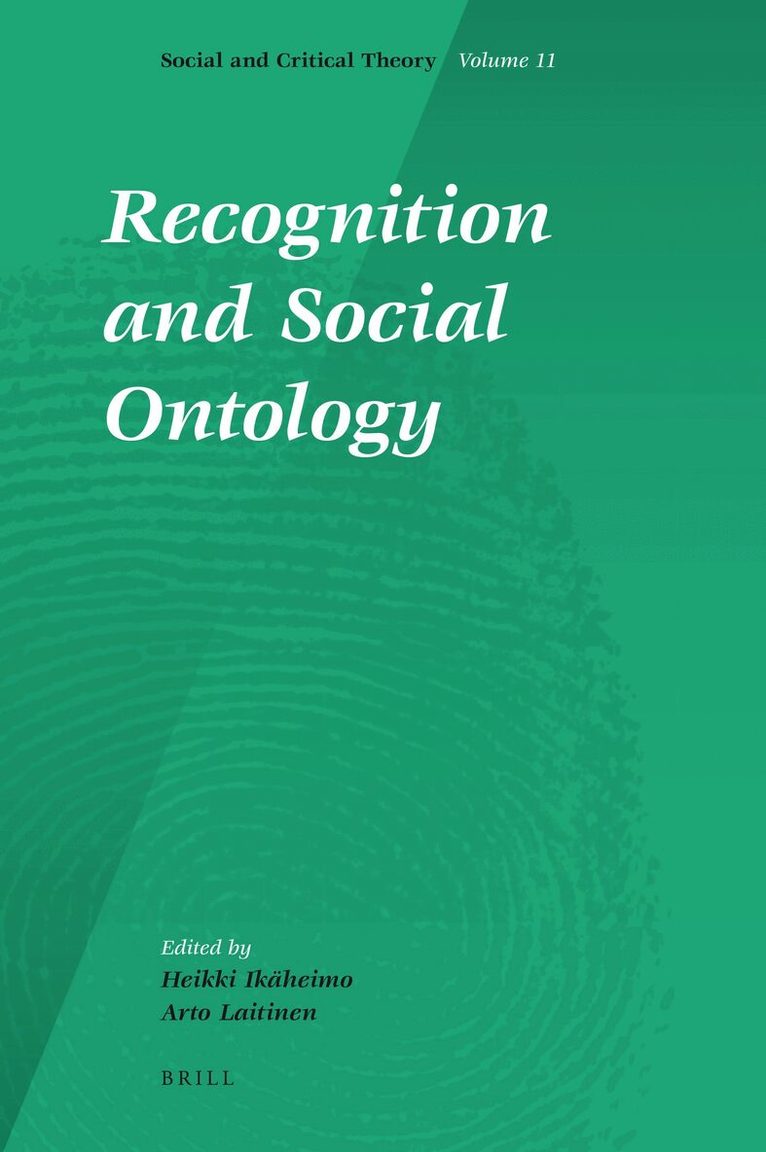
Recognition and Social Ontology
Av Heikki Ikaheimo, Arto Laitinen
Inbunden, 2011
3183 kr
Lägg i varukorg
This unique collection focuses on the unexamined connections between two contemporary, intensively debated lines of inquiry: Hegel-inspired theories of recognition (Anerkennung) and analytical social ontology. These lines address the roots of human sociality from different conceptual perspectives …
Solidaarisuus
Av Anne Birgitta Pessi, Arto Laitinen
E-bok, 2019
250 kr
Lägg i varukorg
Onko solidaarisuus vanhentunut juhlasana vai hyvän yhteiskunnan ydin? Hyvinvointivaltio kriisiytyy, globaali eriarvoisuus lisääntyy, tuloerot kasvavat, maahanmuuttoa kritisoidaan, islamia demonisoidaan. Johtajien palkkiot ovat kohonneet pilviin ja poliitikot ryvettyneet rahoitus- ja muissa …