Ashihara - Böcker
Visar alla böcker från författaren Ashihara. Handla med fri frakt och snabb leverans.
2 produkter
2 produkter
1 751 kr
Skickas inom 7-10 vardagar
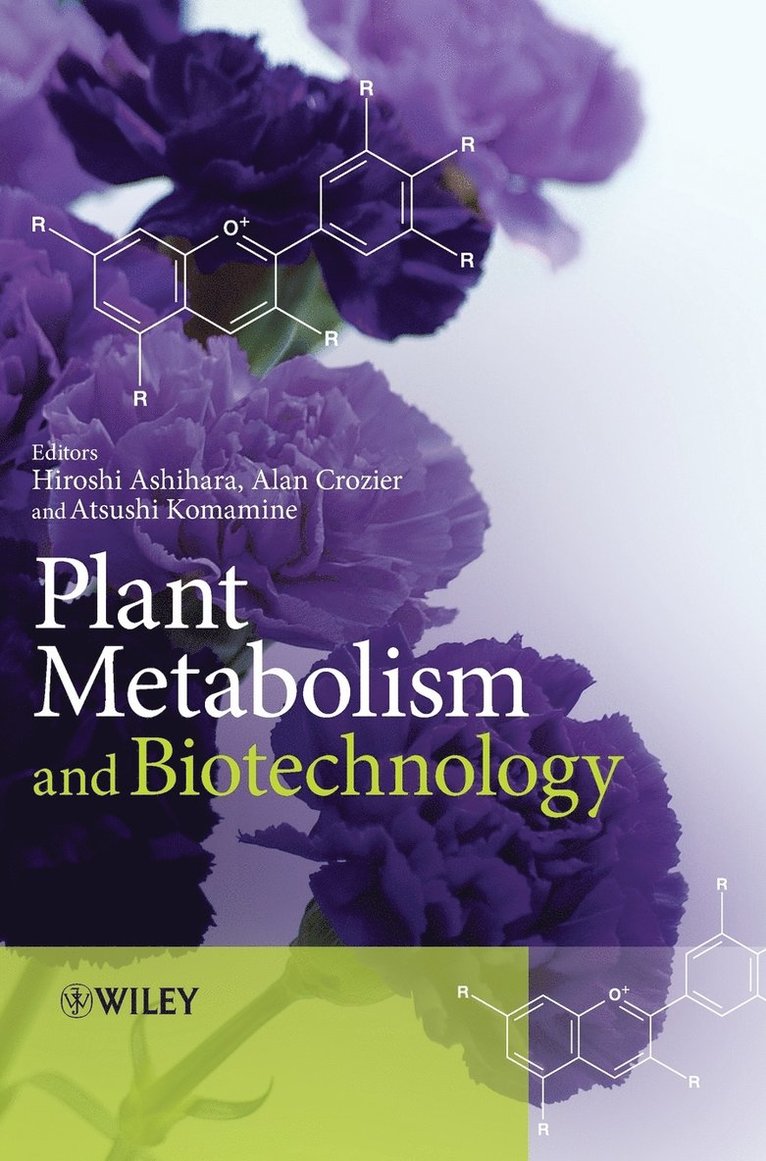
Various plant metabolites are useful for human life, and the induction and reduction of these metabolites using modern biotechnical technique is of enormous potential important especially in the fields of agriculture and health. Plant Metabolism and Biotechnology describes the biosynthetic pathways of plant metabolites, their function in plants, and some applications for biotechnology. Topics covered include: biosynthesis and metabolism of starch and sugarslipid biosynthesissymbiotic nitrogen fixationsulfur metabolismnucleotide metabolismpurine alkaloid metabolismnicotine biosynthesisterpenoid biosynthesisbenzylisoquinoline alkaloid biosynthesismonoterpenoid indole alkaloid biosynthesisflavonoid biosynthesispigment biosynthesis: anthocyanins, betacyanins and carotenoidsmetabolomics in biotechnologyPlant Metabolism and Biotechnology is an essential guide to this important field for researchers and students of biochemistry, plant biology, metabolic engineering, biotechnology, food science, agriculture, and medicine.
2 595 kr
Skickas inom 7-10 vardagar
Plant secondary metabolites have been a fertile area of chemical investigation for many years, driving the development of both analytical chemistry and of new synthetic reactions and methodologies. The subject is multi-disciplinary with chemists, biochemists and plant scientists all contributing to our current understanding. In recent years there has been an upsurge in interest from other disciplines, related to the realisation that secondary metabolites are dietary components that may have a considerable impact on human health, and to the development of gene technology that permits modulation of the contents of desirable and undesirable components. Plant Secondary Metabolites: Occurrence, Structure and Role in the Human Diet addresses this wider interest by covering the main groups of natural products from a chemical and biosynthetic perspective with illustrations of how genetic engineering can be applied to manipulate levels of secondary metabolites of economic value as well as those of potential importance in diet and health. These descriptive chapters are augmented by chapters showing where these products are found in the diet, how they are metabolised and reviewing the evidence for their beneficial bioactivity.