Astri Suhrke – författare
Visar alla böcker från författaren Astri Suhrke. Handla med fri frakt och snabb leverans.
13 produkter
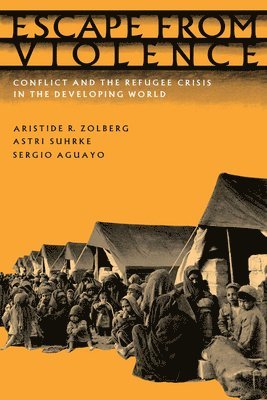
Escape from Violence
Conflict and the Refugee Crisis in the Developing World
Av Aristide R. Zolberg, Astri Suhrke m. fl.
Inbunden, 1989
4125 kr
Lägg i varukorg
In this eloquent and comprehensive study, the authors examine the refugee phenomenon originating in Latin America, Africa, and Asia and suggest means by which the international community can assist those in greatest need.
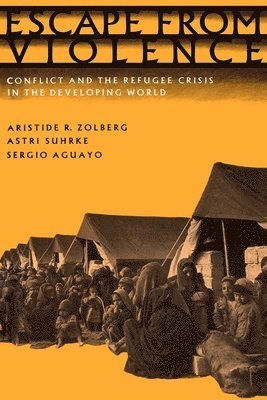
Escape from Violence
Conflict and the Refugee Crisis in the Developing World
Av Aristide R. Zolberg, Astri Suhrke m. fl.
Häftad, 1993
1465 kr
Lägg i varukorg
Looking at refugee crises in Asia, Latin America, and Africa, this book is the first systematic attempt to explain why the developing world today is producing so many refugees. Using both structural and transnational interdisciplinary approaches, the authors show how prevailing concepts and …
Escape from Violence
Conflict and the Refugee Crisis in the Developing World
Av Sergio Aguayo, Astri Suhrke m. fl.
E-bok, 1989
807 kr
Lägg i varukorg
The magnitude of refugees movements in the Third World, widely perceived as an unprecedented crisis, has generated widespread concern in the West. This concern reveals itself as an ambiguous mixture of heartfelt compassion for the plight of the unfortunates cast adrift and a diffuse fear that they …
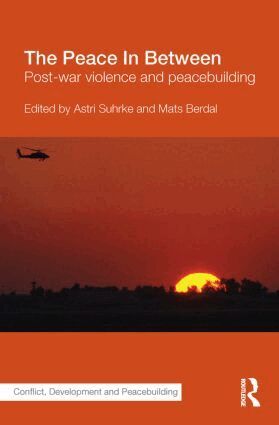
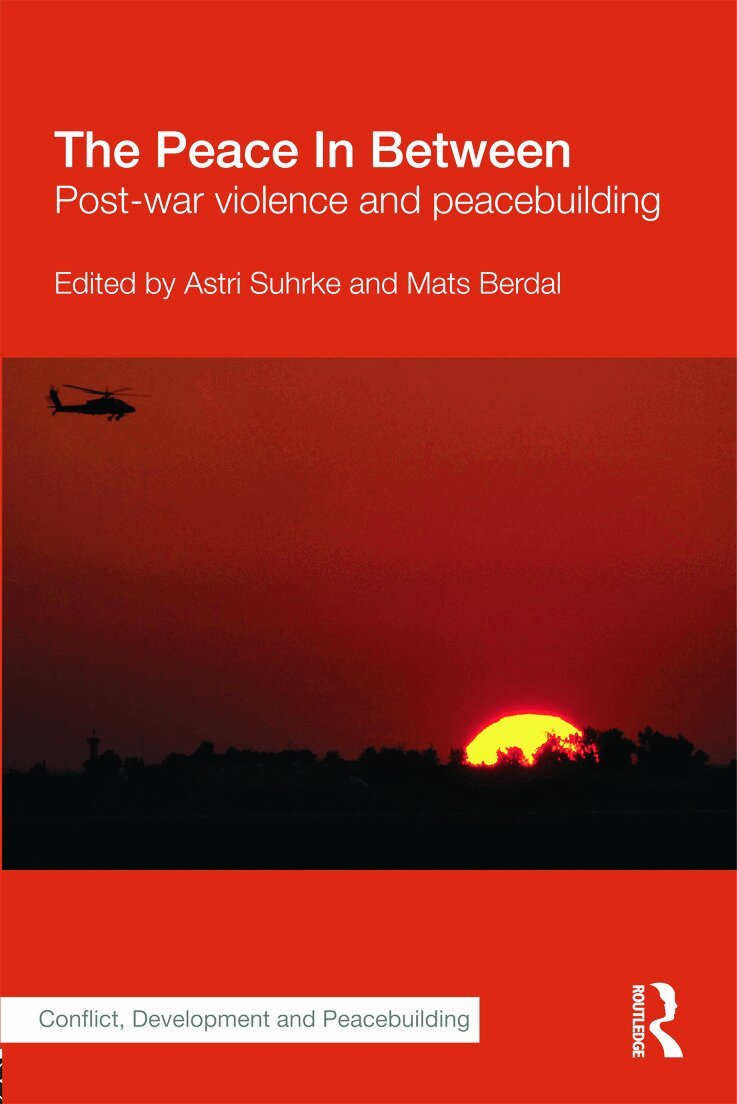
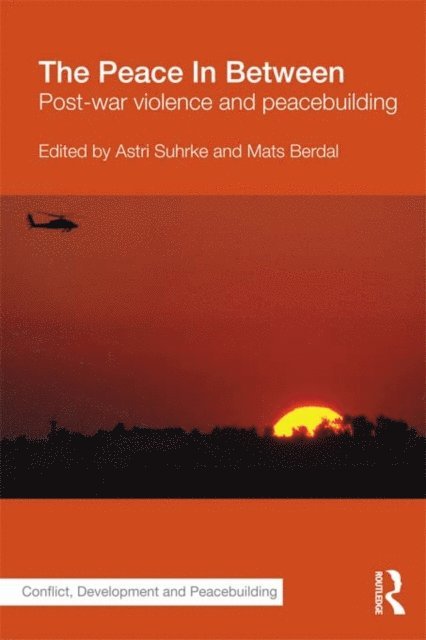
Peace In Between
Post-War Violence and Peacebuilding
Inbunden, 2011
2743 kr
Lägg i varukorg
This volume examines the causes and purposes of 'post-conflict' violence.The end of a war is generally expected to be followed by an end to collective violence, as the term ‘post-conflict’ that came into general usage in the 1990s signifies. In reality, however, various forms of deadly violence …
Peace In Between
Post-War Violence and Peacebuilding
Häftad, 2012
909 kr
Lägg i varukorg
This volume examines the causes and purposes of 'post-conflict' violence.The end of a war is generally expected to be followed by an end to collective violence, as the term ‘post-conflict’ that came into general usage in the 1990s signifies. In reality, however, various forms of deadly violence …
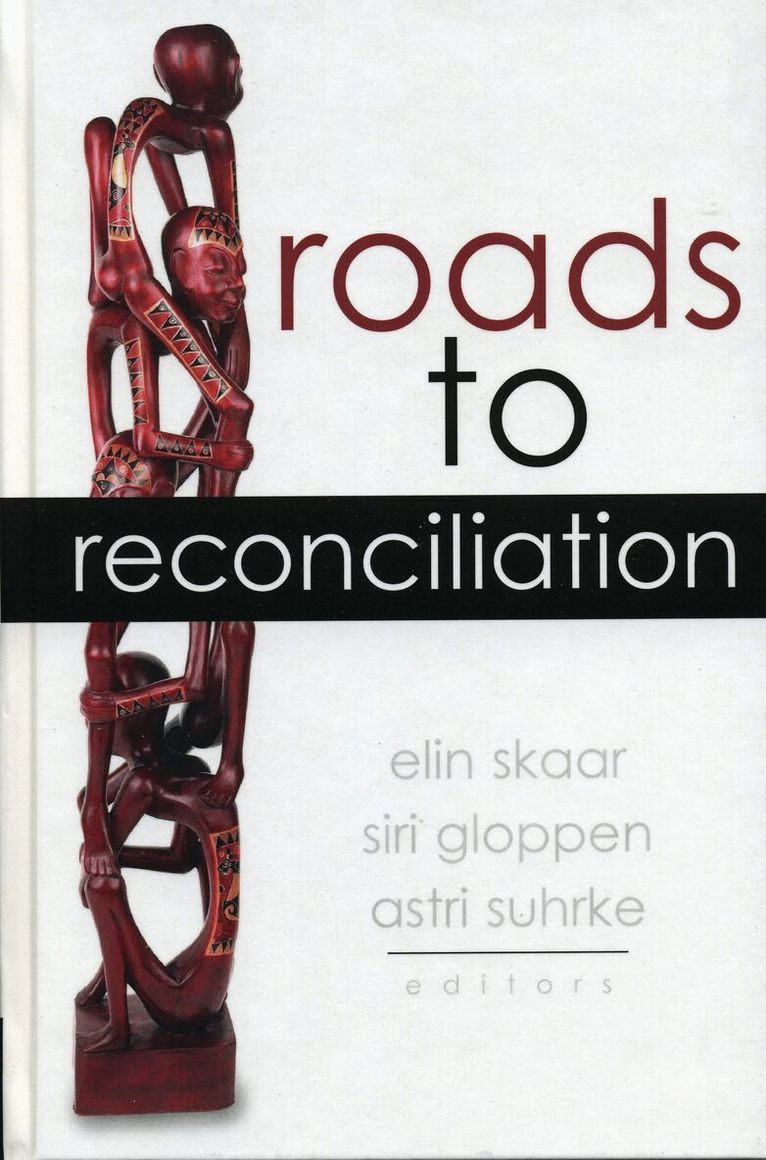
Roads to Reconciliation
Av Elin Skaar, Siri Gloppen m. fl.
Häftad, 2005
605 kr
Lägg i varukorg
The past two decades have witnessed the end of several civil wars and authoritarian regimes. In a period shaped by the ideal of democratization, in which more countries are emerging from deep-rooted conflicts, international attention is turning to the question of how societies with a grievous past …
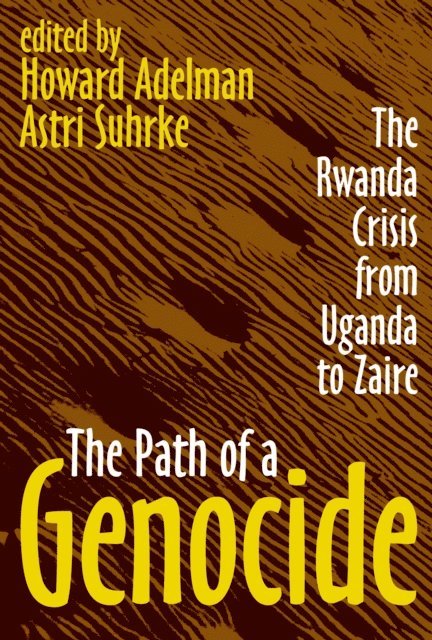
Path of a Genocide
The Rwanda Crisis from Uganda to Zaire
Av Astri Suhrke
Häftad, 2000
816 kr
Lägg i varukorg
The Great Lakes region of Africa has seen dramatic changes. After a decade of war, repression, and genocide, loosely allied regimes have replaced old-style dictatorships. The Path of a Genocide examines the decade (1986-97) that brackets the 1994 genocide in Rwanda. This collection of essays is …
Peace In Between
Post-War Violence and Peacebuilding
E-bok, 2013
1051 kr
Lägg i varukorg
This volume examines the causes and purposes of ''post-conflict'' violence. The end of a war is generally expected to be followed by an end to collective violence, as the term ‘post-conflict’ that came into general usage in the 1990s signifies. In reality, however, various forms of deadly …
Peace In Between
Post-War Violence and Peacebuilding
E-bok, 2013
1040 kr
Lägg i varukorg
This volume examines the causes and purposes of ''post-conflict'' violence. The end of a war is generally expected to be followed by an end to collective violence, as the term ‘post-conflict’ that came into general usage in the 1990s signifies. In reality, however, various forms of deadly …
Path of a Genocide
The Rwanda Crisis from Uganda to Zaire
Av Astri Suhrke
E-bok, 2017
935 kr
Lägg i varukorg
The Great Lakes region of Africa has seen dramatic changes. After a decade of war, repression, and genocide, loosely allied regimes have replaced old-style dictatorships. The Path of a Genocide examines the decade (1986-97) that brackets the 1994 genocide in Rwanda. This collection of essays is …
Path of a Genocide
The Rwanda Crisis from Uganda to Zaire
Av Astri Suhrke
E-bok, 2017
963 kr
Lägg i varukorg
The Great Lakes region of Africa has seen dramatic changes. After a decade of war, repression, and genocide, loosely allied regimes have replaced old-style dictatorships. The Path of a Genocide examines the decade (1986-97) that brackets the 1994 genocide in Rwanda. This collection of essays is …
Path of a Genocide
The Rwanda Crisis from Uganda to Zaire
Av Astri Suhrke
Inbunden, 1999
2324 kr
Lägg i varukorg
The Great Lakes region of Africa has seen dramatic changes. After a decade of war, repression, and genocide, loosely allied regimes have replaced old-style dictatorships. The Path of a Genocide examines the decade (1986-97) that brackets the 1994 genocide in Rwanda. This collection of essays is …
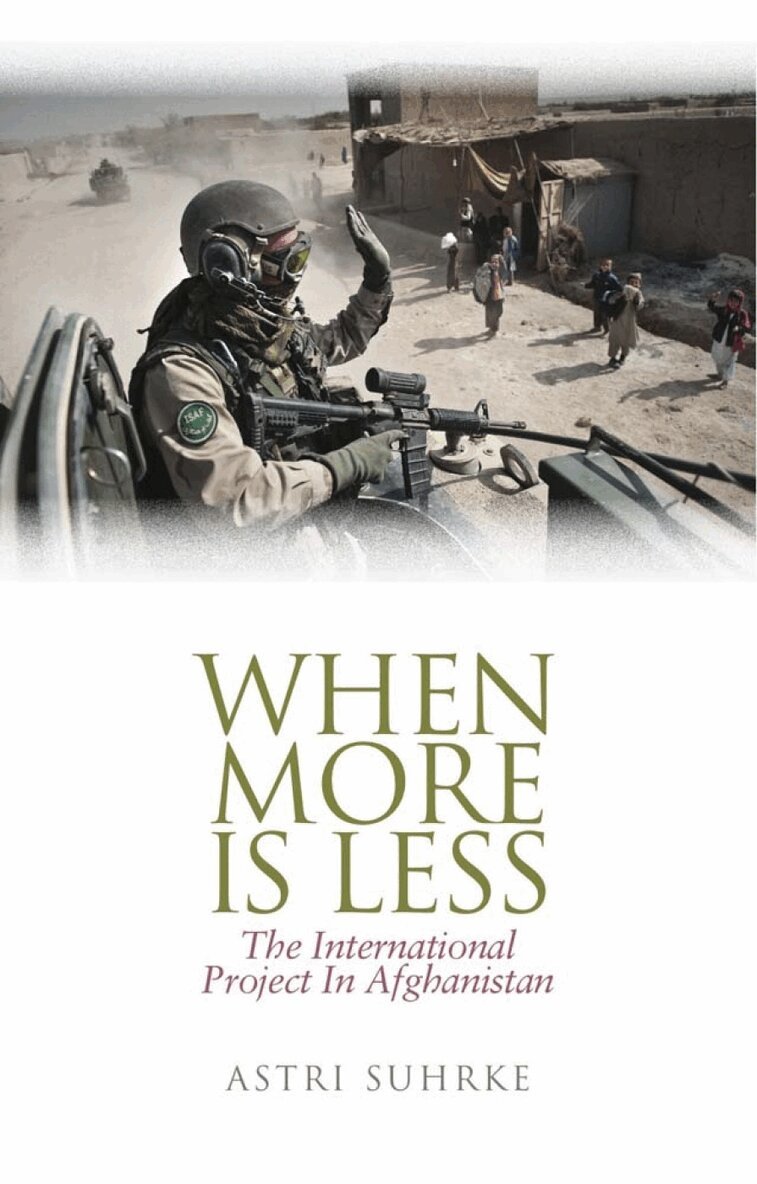
When More is Less
The International Project in Afghanistan
Av Astri Suhrke
Inbunden, 2011
416 kr
Lägg i varukorg
The Western-led efforts to establish a new post-Taliban order in Afghanistan are in serious trouble, and in this book Suhrke sets out to explain why. She begins with the dynamic of the intervention and its related peace-building mission. What were the forces shaping this grand international …