Audun Dahl - Böcker
Visar alla böcker från författaren Audun Dahl. Handla med fri frakt och snabb leverans.
2 produkter
2 produkter
367 kr
Skickas
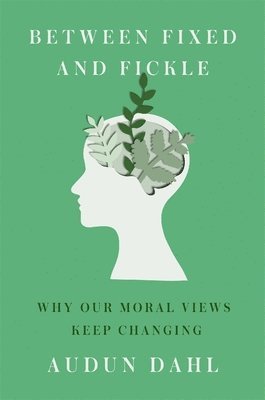
A psychologist explains why—and how—moral views change across different life stages, situations, and historical eras.We like to believe that moral truths are obvious and unchangeable: cheating is wrong, killing is wrong, slavery is wrong. Yet people have often cheated, killed, and enslaved without regret. The acts that feel glaringly wrong to us in the here and now can seem fine to someone who is younger, or faces different circumstances, or lived a century ago.Why does morality appear so unstable? The popular explanation is that emotions, self-interest, and social pressure easily divert people from moral concerns because they lack sincere moral commitment. But the evidence shows otherwise. Drawing on studies of young children, adolescents, and adults, Audun Dahl argues that human morality is neither immutable nor capricious, neither fixed nor fickle. Rather, people change their moral views when they believe they have good reasons to—reasons that they can articulate to themselves and would endorse for others.The science of moral change cannot resolve our ethical dilemmas: it does not tell us what’s morally right or wrong. But it can help us understand why we have moral views in the first place, why those views keep changing, and why moral views that seem obvious to us aren’t obvious to everyone else. Separating moral psychology from moralizing, Between Fixed and Fickle reveals what’s behind our changing agreements and disagreements as we travel toward shared and hard-won moral truths.
Del 3 - Monographs of the Society for Research in Child Development (MONO)
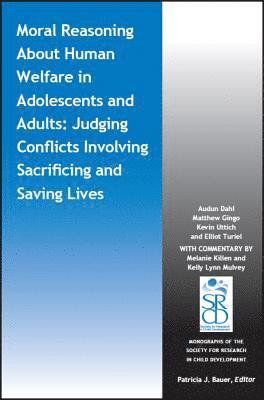
Moral Reasoning About Human Welfare in Adolescents and Adults
Judging Conflicts Involving Sacrificing and Saving Lives
Häftad, Engelska, 2018
452 kr
Skickas inom 7-10 vardagar
The value of human life is a significant moral value for most people. Yet, past research has devoted little attention to the development of moral reasoning about the value of life. The present studies investigated how adolescents and adults reason about the value of life in the context of so-called trolley car situations. These situations, adopted from philosophy, involve the option of sacrificing the life of one person to save five others. Based on past developmental research, we expected that individuals would reason about distinct and sometimes conflicting considerations regarding the value of life. This approach contrasted with past research on adults' responses to trolley car situations, which has been taken to show that most moral evaluations are based not on reasoning but on affective, automatic reactions. In Study 1, 288 adolescents and adults were interviewed about trolley car situations designed to examine considerations like the value of human life and the relationship of those at risk with the actors. In Study 2, 144 college studens were interviewed to further examine the roles of those involved. Participants' justifications referred not only to the number of lives saved, but also to other considerations, such as intrinsic rights and personal responsibility for events. Moreover, responses indicated frequent conflicts about standard trolley car situations, counter to the argument that people's evaluations are automatic based soley on a counting of lives saved. The present findings indicated that adolescents and adults reason about, seek to coordinate, distinct moral considerations regarding the value of life.