E-bok
Engelska, 201863 kr
Läs direkt efter köp
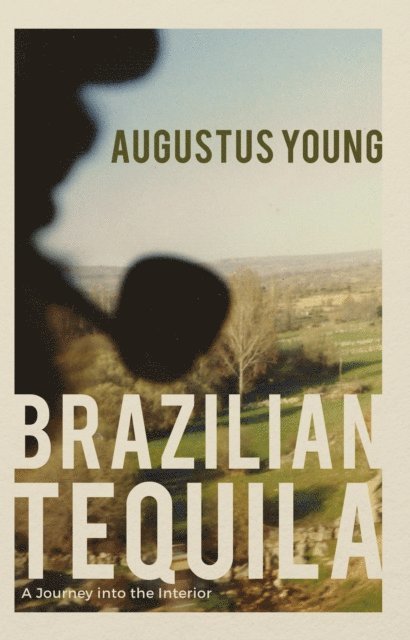
Experienced author and journalist Augustus Young used his travel diaries to produce a semi-fictional story about the people and culture of Brazil in Brazilian Tequila. Gus, a middle-aged Irishman, finds that his life in London has gone cold. An epidemiologist without an epidemic, a poet who cannot write poems, he decides to transmigrate to a warmer climate, namely Brazil, where he hopes to winter himself back to spring. He flies around Brazil, learning things that challenge his preconceptions. Pandemic corruption seeps into everything and nobody seems bothered, including his friend, Pedrinho. Even the first democratic elections for decades are being conspicuously rigged. Throughout his travels, Gus meets the real victims, particularly the poor and the young, and their cheerful passivity take him aback. However, his European side begins to revolt against what he sees as a ‘moral no-man’s-land.’ Torn between his love of being there and his concept of justice, his engagement becomes disturbingly personal. When Gus travels with Pedrinho to his hometown (which is suffering a ten-year drought), it leads to a confrontation and a moral twist that throws his cherished certitudes into confusion. His affections threaten to take over from his principles. How will Gus cope? Will he see Brazil in the same eyes ever again? Inspired by Theodore Roosevelt’s Through the Brazilian Wilderness, Brazilian Tequila will appeal to those who enjoy travel stories and are interested in Brazil.