Aya Elyada – författare
Visar alla böcker från författaren Aya Elyada. Handla med fri frakt och snabb leverans.
10 produkter
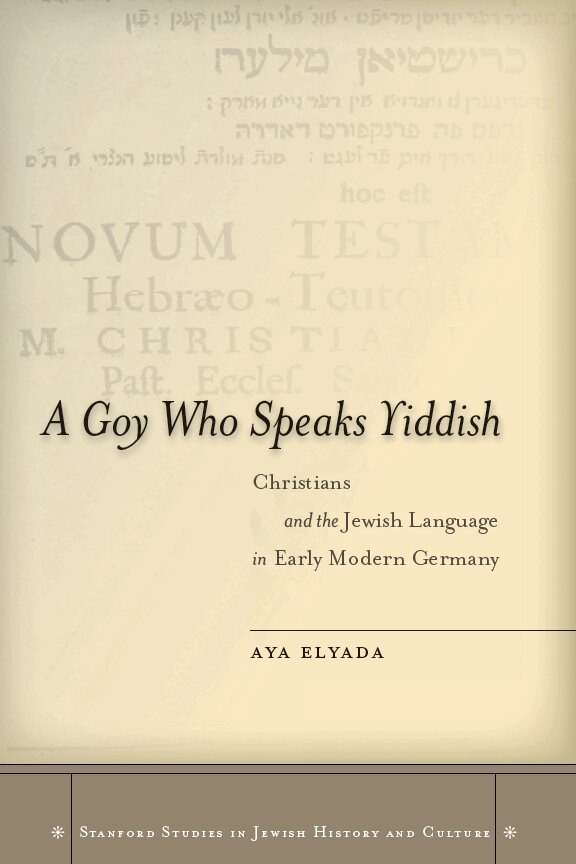
Goy Who Speaks Yiddish
Christians and the Jewish Language in Early Modern Germany
Av Aya Elyada
Inbunden, 2012
873 kr
Lägg i varukorg
This book explores the unique phenomenon of Christian engagement with Yiddish language and literature from the beginning of the sixteenth century to the late eighteenth century. By exploring the motivations for Christian interest in Yiddish, and the differing ways in which Yiddish was discussed and …
Goy Who Speaks Yiddish
Christians and the Jewish Language in Early Modern Germany
Av Aya Elyada
E-bok, 2012
1115 kr
Lägg i varukorg
This book explores the unique phenomenon of Christian engagement with Yiddish language and literature from the beginning of the sixteenth century to the late eighteenth century. By exploring the motivations for Christian interest in Yiddish, and the differing ways in which Yiddish was discussed and …
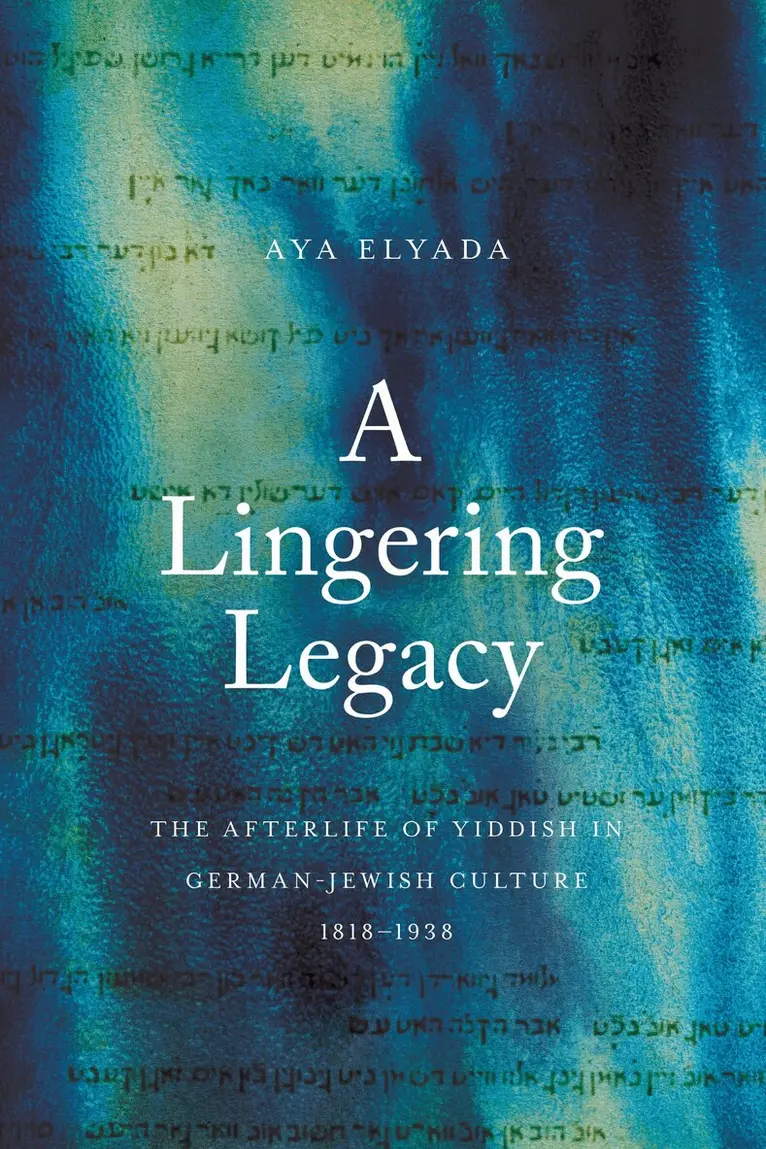
Lingering Legacy
The Afterlife of Yiddish in German-Jewish Culture, 1818–1938
Av Aya Elyada
Inbunden, 2026
975 kr
Lägg i varukorg
This book explores a unique and under-researched chapter in German-Jewish cultural history: the engagement of German-speaking Jewish authors, scholars, and intellectuals with their Yiddish literary heritage. From the late eighteenth century onwards, as growing circles of the German-Jewish …
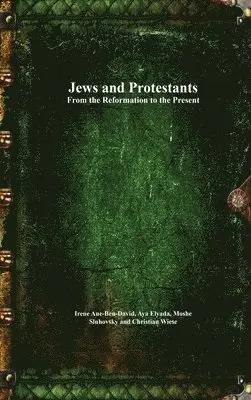
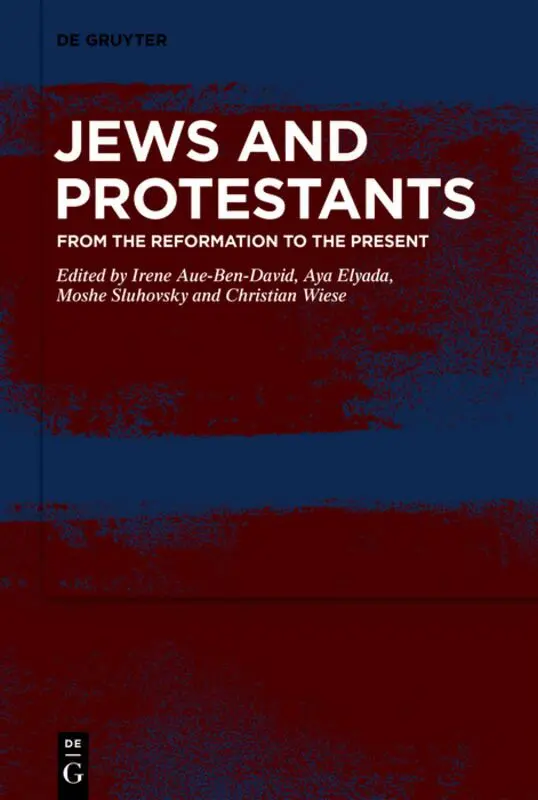
Jews and Protestants From the Reformation to the Present
Av Irene Aue-Ben-David, Aya Elyada m. fl.
Inbunden, 2023
433 kr
Lägg i varukorg
Jews and Protestants From the Reformation to the Present
Av Irene Aue-Ben-David, Aya Elyada m. fl.
Häftad, 2023
340 kr
Lägg i varukorg
Jews and Protestants From the Reformation to the Present
Av Moshe Sluhovsky, Aya Elyada m. fl.
E-bok, 2023
326 kr
Lägg i varukorg
The book sheds light on various chapters in the long history of Protestant-Jewish relations, from the Reformation to the present. Going beyond questions of antisemitism and religious animosity, it aims to disentangle some of the intricate perceptions, interpretations, and emotions that have …
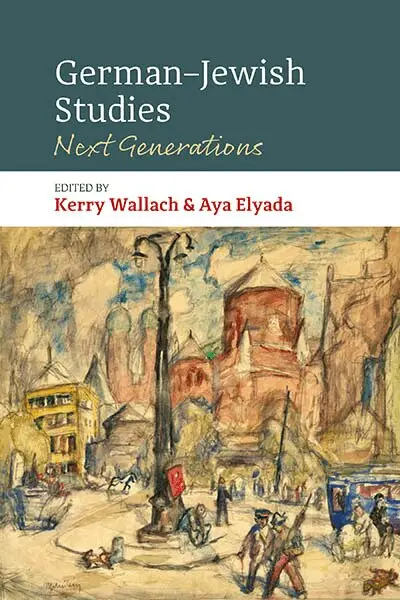
German–Jewish Studies
Next Generations
Inbunden, 2022
2186 kr
Lägg i varukorg
As a field, German-Jewish Studies emphasizes the dangers of nationalism, monoculturalism, and ethnocentrism, while making room for multilingual and transnational perspectives with questions surrounding migration, refugees, exile, and precarity. Focussing on the relevance and utility of the field …
Jews and Protestants
From the Reformation to the Present
Av Irene Aue-Ben David, Aya Elyada m. fl.
Inbunden, 2020
1131 kr
Lägg i varukorg
The book sheds light on various chapters in the long history of Protestant-Jewish relations, from the Reformation to the present. Going beyond questions of antisemitism and religious animosity, it aims to disentangle some of the intricate perceptions, interpretations, and emotions that have …