B P Vani – författare
Visar alla böcker från författaren B P Vani. Handla med fri frakt och snabb leverans.
5 produkter
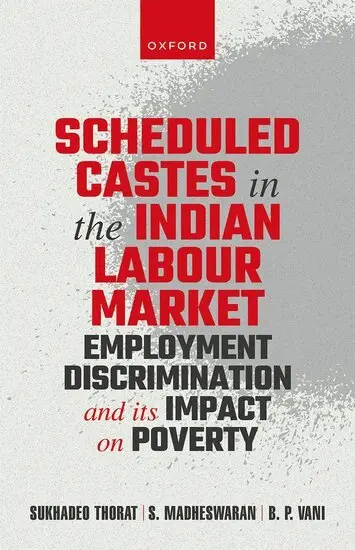
Scheduled Castes in the Indian Labour Market
Employment Discrimination and Its Impact on Poverty
Av Sukhadeo Thorat, S Madheswaran m. fl.
Inbunden, 2023
1985 kr
Lägg i varukorg
This study offers insight into the discriminatory workings of the labour market and its unequal outcomes with respect to employment, wages, and occupations, and its impact on the poverty of Scheduled Caste wage workers in India. It develops an understanding of the persistence of caste inequality in …
Scheduled Castes in the Indian Labour Market
Employment Discrimination and Its Impact on Poverty
Av B P Vani, S Madheswaran m. fl.
E-bok, 2023
1375 kr
Lägg i varukorg
This study offers insight into the discriminatory workings of the labour market and its unequal outcomes with respect to employment, wages, and occupations, and its impact on the poverty of Scheduled Caste wage workers in India. It develops an understanding of the persistence of caste inequality in …
Scheduled Castes in the Indian Labour Market
Employment Discrimination and Its Impact on Poverty
Av B P Vani, S Madheswaran m. fl.
E-bok, 2023
1375 kr
Lägg i varukorg
This study offers insight into the discriminatory workings of the labour market and its unequal outcomes with respect to employment, wages, and occupations, and its impact on the poverty of Scheduled Caste wage workers in India. It develops an understanding of the persistence of caste inequality in …
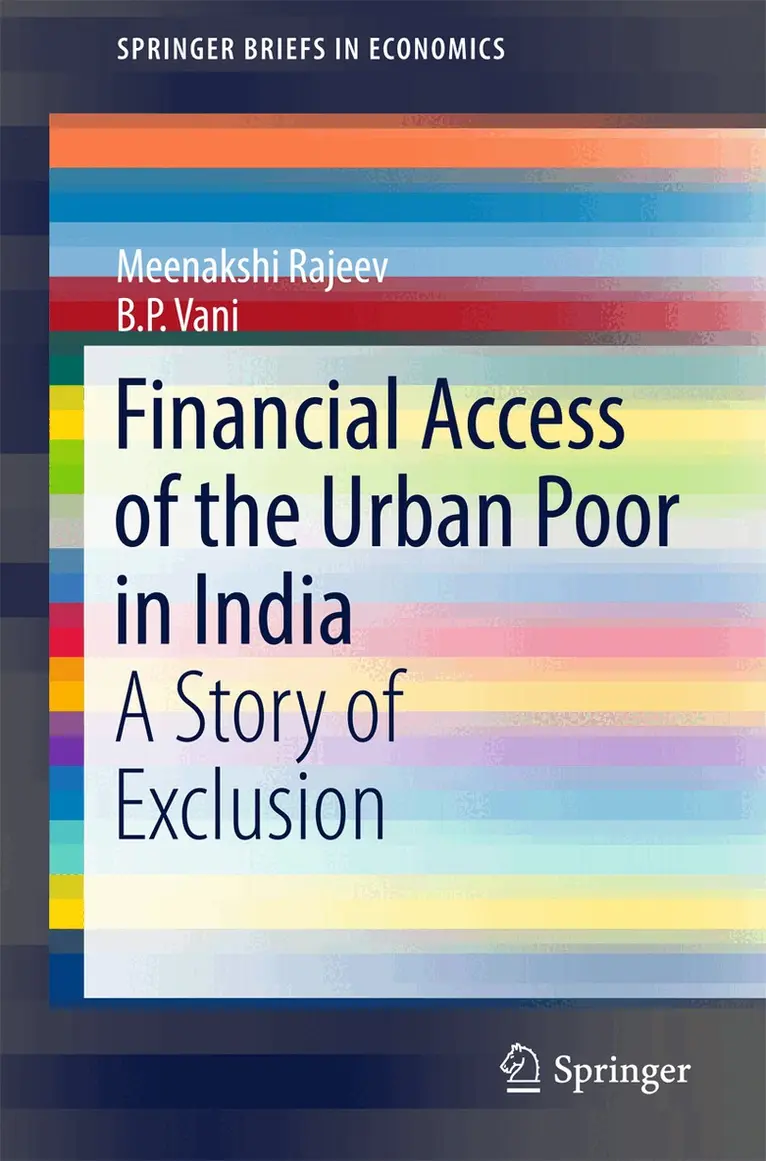
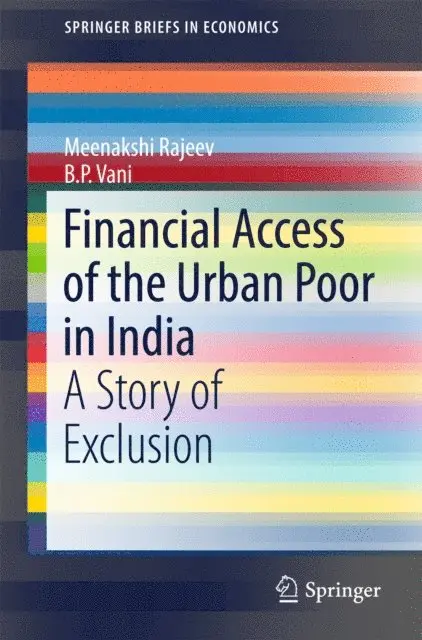
Financial Access of the Urban Poor in India
A Story of Exclusion
Av Meenakshi Rajeev, B. P. Vani
Häftad, 2017
550 kr
Lägg i varukorg
This book focuses on the issue of financial exclusion with particular reference to the urban informal sector in India. Continuing the work of its predecessor, the current Government of India is also placing considerable importance on driving policy initiatives for financial inclusion. However, …
Financial Access of the Urban Poor in India
A Story of Exclusion
Av B. P. Vani, Meenakshi Rajeev
E-bok, 2017
734 kr
Lägg i varukorg
This book focuses on the issue of financial exclusion with particular reference to the urban informal sector in India. Continuing the work of its predecessor, the current Government of India is also placing considerable importance on driving policy initiatives for financial inclusion. However, …