Babli Sinha – författare
Visar alla böcker från författaren Babli Sinha. Handla med fri frakt och snabb leverans.
12 produkter
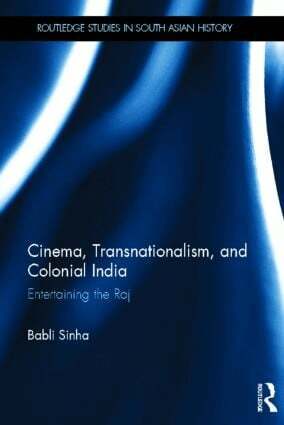
Cinema, Transnationalism, and Colonial India
Entertaining the Raj
Av Babli Sinha
Inbunden, 2013
2585 kr
Lägg i varukorg
Through the lens of cinema, this book explores the ways in which the United States, Britain and India impacted each other politically, culturally and ideologically. It argues that American films of the 1920s posited alternative notions of whiteness and the West to that of Britain, which stood for …
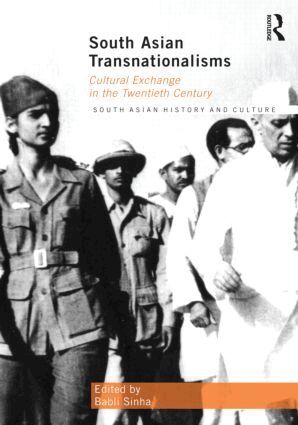
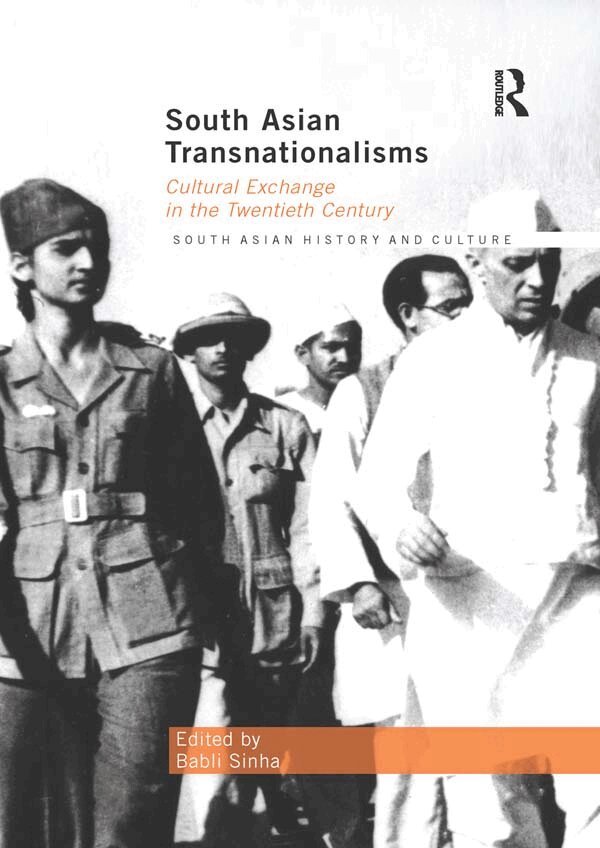
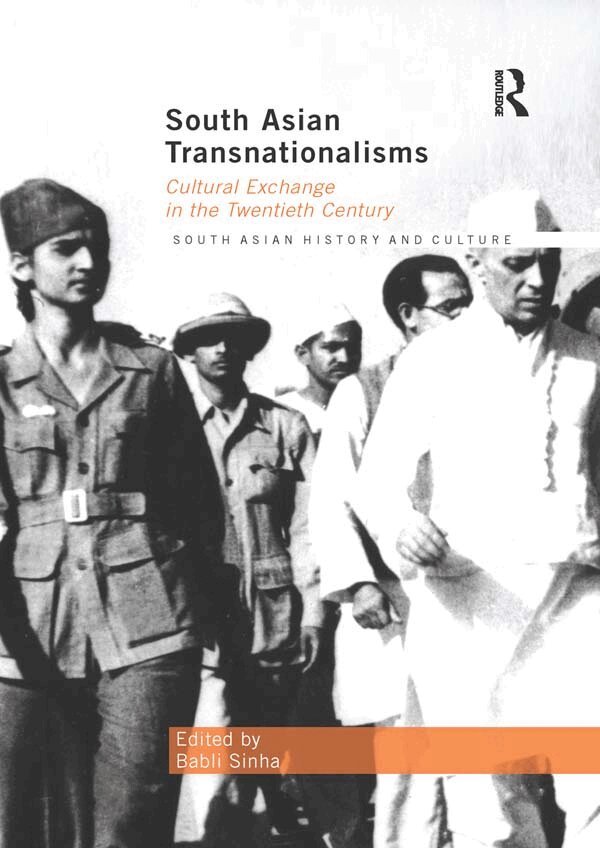
South Asian Transnationalisms
Cultural Exchange in the Twentieth Century
Av Babli Sinha
Inbunden, 2012
2510 kr
Lägg i varukorg
South Asian Transnationalisms explores encounters in twentieth century South Asia beyond the conventional categories of center and periphery, colonizer and colonized. Considering the cultural and political exchanges between artists and intellectuals of South Asia with counterparts in the United …
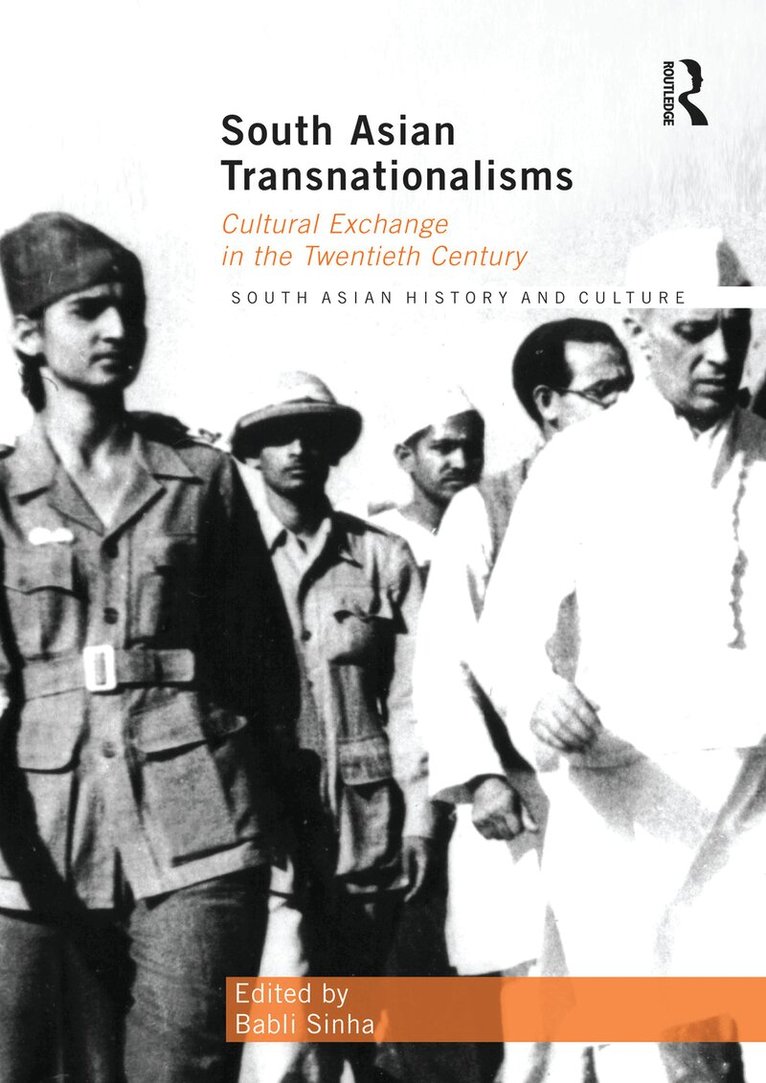
South Asian Transnationalisms
Cultural Exchange in the Twentieth Century
Av Babli Sinha
Häftad, 2014
861 kr
Lägg i varukorg
South Asian Transnationalisms explores encounters in twentieth century South Asia beyond the conventional categories of center and periphery, colonizer and colonized. Considering the cultural and political exchanges between artists and intellectuals of South Asia with counterparts in the United …
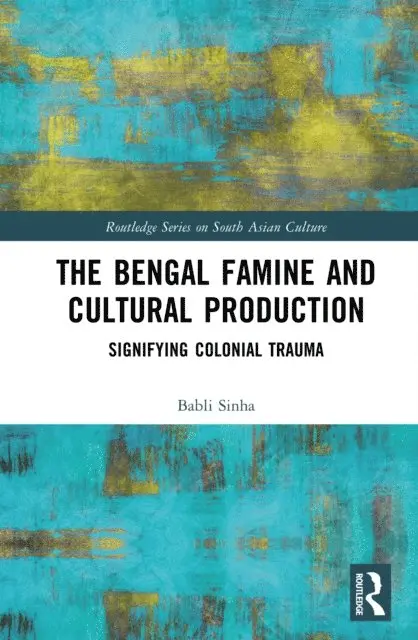
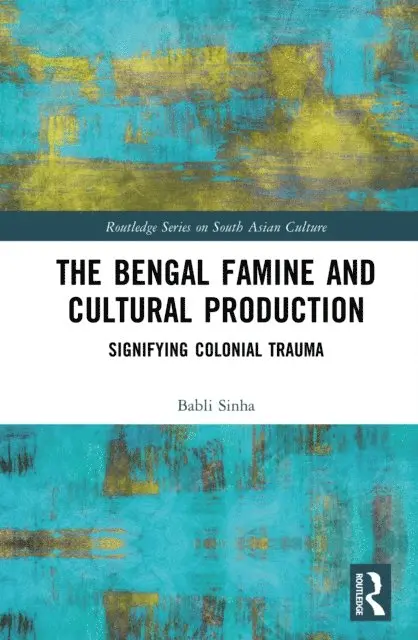
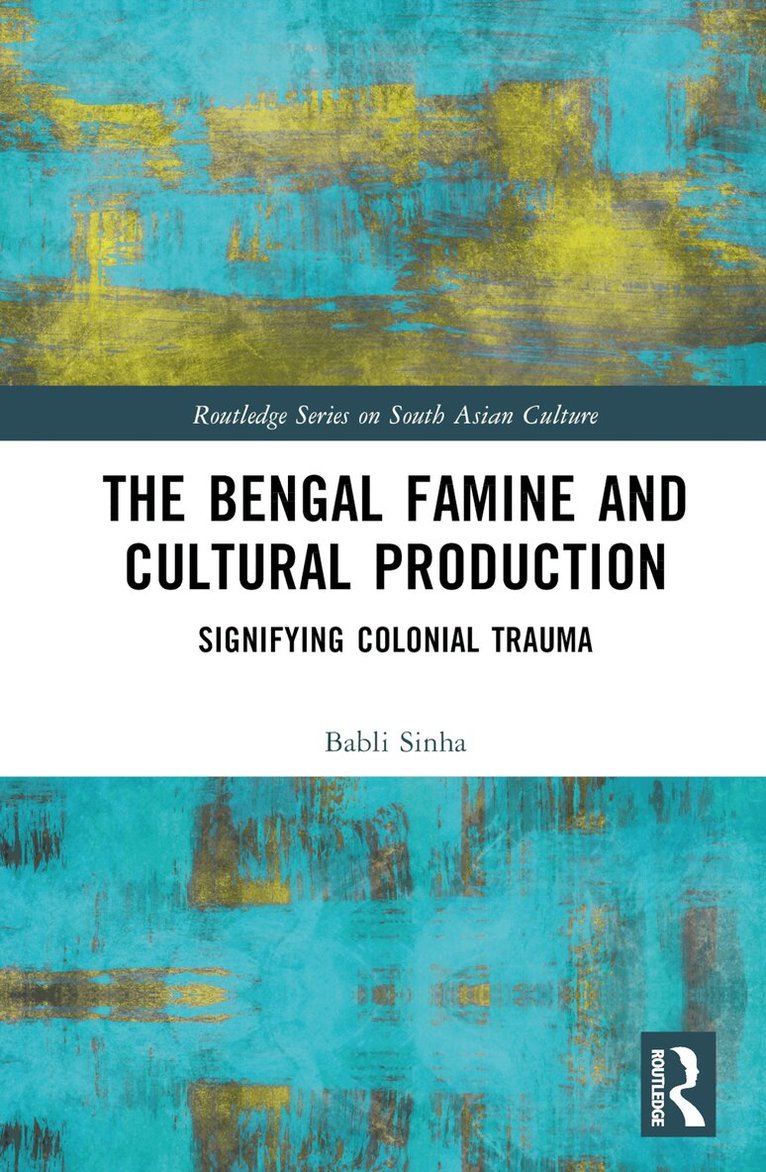
Bengal Famine and Cultural Production
Signifying Colonial Trauma
Av Babli Sinha
E-bok, 2023
856 kr
Lägg i varukorg
The Bengal Famine and Cultural Production: Signifying Colonial Trauma analyses the various modes of representation used by Anglophone authors and artists in response to the Bengal Famine of 1943. Official imperial narratives blamed the famine on natural disaster, war, exploitation by merchants, and …
Bengal Famine and Cultural Production
Signifying Colonial Trauma
Av Babli Sinha
E-bok, 2023
856 kr
Lägg i varukorg
The Bengal Famine and Cultural Production: Signifying Colonial Trauma analyses the various modes of representation used by Anglophone authors and artists in response to the Bengal Famine of 1943. Official imperial narratives blamed the famine on natural disaster, war, exploitation by merchants, and …
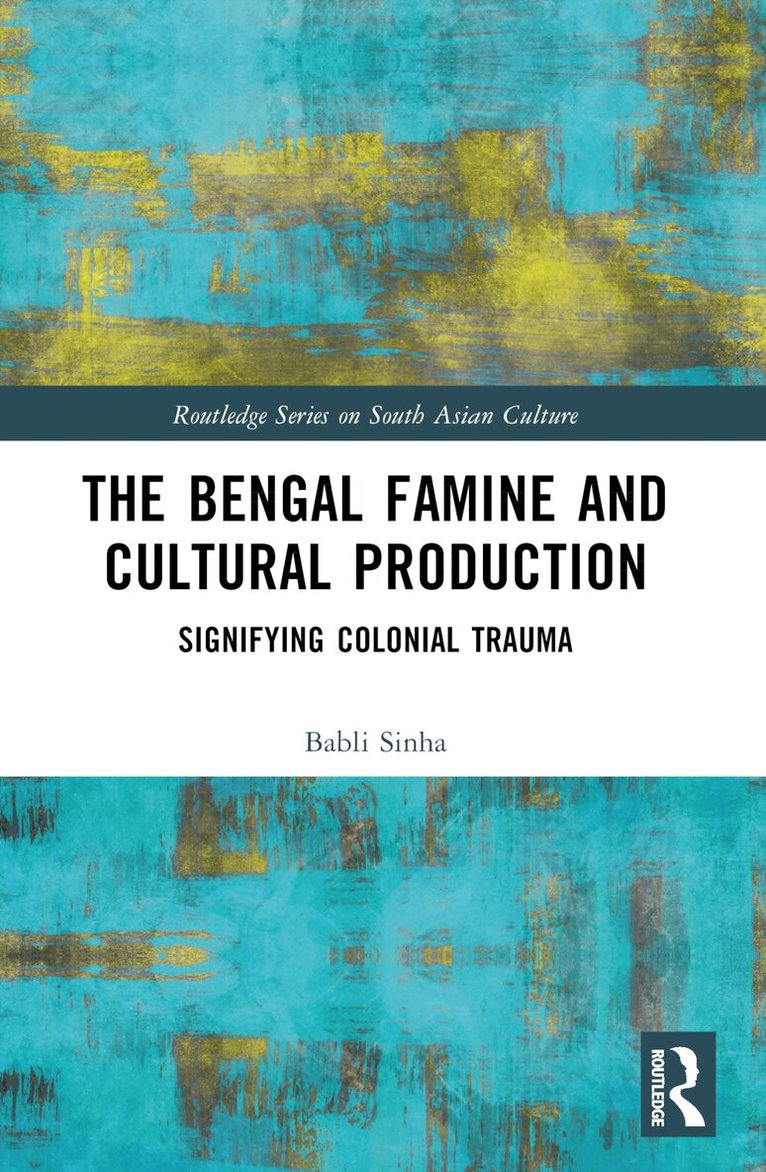
Bengal Famine and Cultural Production
Signifying Colonial Trauma
Av Babli Sinha
Inbunden, 2023
2886 kr
Lägg i varukorg
The Bengal Famine and Cultural Production: Signifying Colonial Trauma analyses the various modes of representation used by Anglophone authors and artists in response to the Bengal Famine of 1943. Official imperial narratives blamed the famine on natural disaster, war, exploitation by merchants, and …
Bengal Famine and Cultural Production
Signifying Colonial Trauma
Av Babli Sinha
Häftad, 2024
727 kr
Lägg i varukorg
The Bengal Famine and Cultural Production: Signifying Colonial Trauma analyses the various modes of representation used by Anglophone authors and artists in response to the Bengal Famine of 1943. Official imperial narratives blamed the famine on natural disaster, war, exploitation by merchants, and …
South Asian Transnationalisms
Cultural Exchange in the Twentieth Century
Av Babli Sinha
E-bok, 2014
1016 kr
Lägg i varukorg
South Asian Transnationalisms explores encounters in twentieth century South Asia beyond the conventional categories of center and periphery, colonizer and colonized. Considering the cultural and political exchanges between artists and intellectuals of South Asia with counterparts in the United …
South Asian Transnationalisms
Cultural Exchange in the Twentieth Century
Av Babli Sinha
E-bok, 2014
1016 kr
Lägg i varukorg
South Asian Transnationalisms explores encounters in twentieth century South Asia beyond the conventional categories of center and periphery, colonizer and colonized. Considering the cultural and political exchanges between artists and intellectuals of South Asia with counterparts in the United …
Cinema, Transnationalism, and Colonial India
Entertaining the Raj
Av Babli Sinha
E-bok, 2013
1034 kr
Lägg i varukorg
Through the lens of cinema, this book explores the ways in which the United States, Britain and India impacted each other politically, culturally and ideologically. It argues that American films of the 1920s posited alternative notions of whiteness and the West to that of Britain, which stood for …
Cinema, Transnationalism, and Colonial India
Entertaining the Raj
Av Babli Sinha
E-bok, 2013
1034 kr
Lägg i varukorg
Through the lens of cinema, this book explores the ways in which the United States, Britain and India impacted each other politically, culturally and ideologically. It argues that American films of the 1920s posited alternative notions of whiteness and the West to that of Britain, which stood for …
Cinema, Transnationalism, and Colonial India
Entertaining the Raj
Av Babli Sinha
Häftad, 2017
876 kr
Lägg i varukorg
Through the lens of cinema, this book explores the ways in which the United States, Britain and India impacted each other politically, culturally and ideologically. It argues that American films of the 1920s posited alternative notions of whiteness and the West to that of Britain, which stood for …